The exploration of the human condition and our potential to both hurt and help others is a profound reminder of our responsibility to act with kindness and compassion.
The issue of accountability and how we hold ourselves and others responsible for actions is central to understanding whether we are part of the problem or the solution.
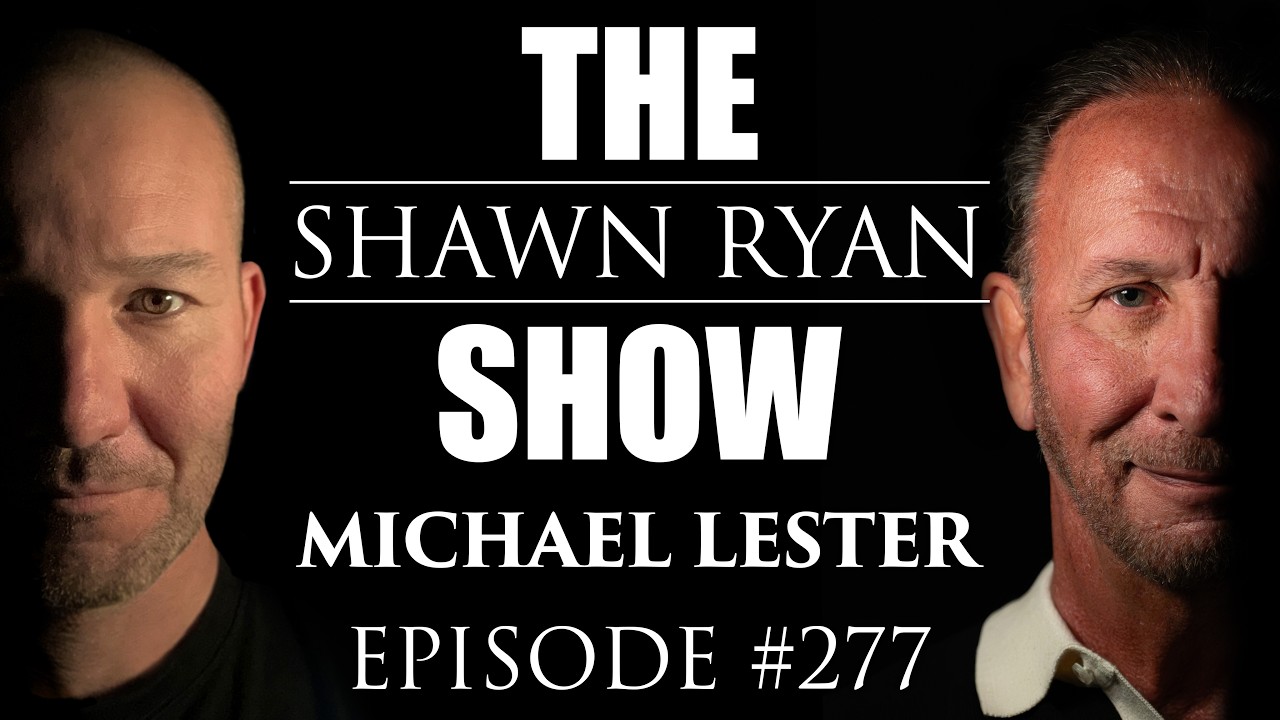
Michael Lester’s thoughts on moral ambiguity are thought-provoking, especially in the context of real-world scenarios where the line between good and bad is often blurred.
I appreciate how the discussion encourages viewers to think critically about their own beliefs and actions, rather than simply accepting societal norms.
The discussion on whether we are the bad guys, as posed by Michael Lester, raises questions about personal responsibility and the role of societal influences in shaping our behavior.
The call to action for personal growth and self-awareness as a means to create positive change is inspiring, and something that viewers can apply to their own lives.
It’s interesting to consider how historical and systemic factors contribute to our current societal issues, and how acknowledging these can help us move forward.
It’s concerning to consider that our self-perception as good individuals might be misplaced, and that we could be contributing to harm without realizing it.
The conversation on the complexity of human nature and our capacity for both good and bad actions is a crucial one, as it challenges us to look deeper into our motivations and behaviors.

21 Comments
The exploration of the human condition and our potential to both hurt and help others is a profound reminder of our responsibility to act with kindness and compassion.
The video’s exploration of how we define ourselves as good or bad guys is reminiscent of philosophical discussions on ethics and morality.
The discussion on the interplay between personal and collective responsibility in addressing social issues is timely and necessary.
The issue of accountability and how we hold ourselves and others responsible for actions is central to understanding whether we are part of the problem or the solution.
I’m intrigued by the idea that our perceptions of right and wrong can be skewed by our cultural and social backgrounds, as touched upon in the video.
Michael Lester’s thoughts on moral ambiguity are thought-provoking, especially in the context of real-world scenarios where the line between good and bad is often blurred.
This ambiguity can lead to difficult decision-making and inner conflict for many individuals.
I appreciate how the discussion encourages viewers to think critically about their own beliefs and actions, rather than simply accepting societal norms.
I find it compelling to think about how our individual stories and experiences shape our perspectives on what it means to be a good or bad person.
The discussion on whether we are the bad guys, as posed by Michael Lester, raises questions about personal responsibility and the role of societal influences in shaping our behavior.
This is a classic debate in psychology, with some arguing that our environment plays a larger role than our individual choices.
The call to action for personal growth and self-awareness as a means to create positive change is inspiring, and something that viewers can apply to their own lives.
This process of self-improvement can have a ripple effect, leading to broader societal changes.
The video prompts us to examine our own biases and prejudices, and how these might lead us to act in ways that are harmful to others.
Michael Lester’s reflections on the importance of education and critical thinking in forming our moral compass are particularly noteworthy.
Michael Lester’s points about the need for empathy and understanding in breaking down barriers between different groups are well-taken.
Empathy can indeed be a powerful tool in fostering greater unity and cooperation.
It’s interesting to consider how historical and systemic factors contribute to our current societal issues, and how acknowledging these can help us move forward.
It’s concerning to consider that our self-perception as good individuals might be misplaced, and that we could be contributing to harm without realizing it.
This highlights the importance of self-reflection and considering the impact of our actions on others.
The conversation on the complexity of human nature and our capacity for both good and bad actions is a crucial one, as it challenges us to look deeper into our motivations and behaviors.