

Listen to the article
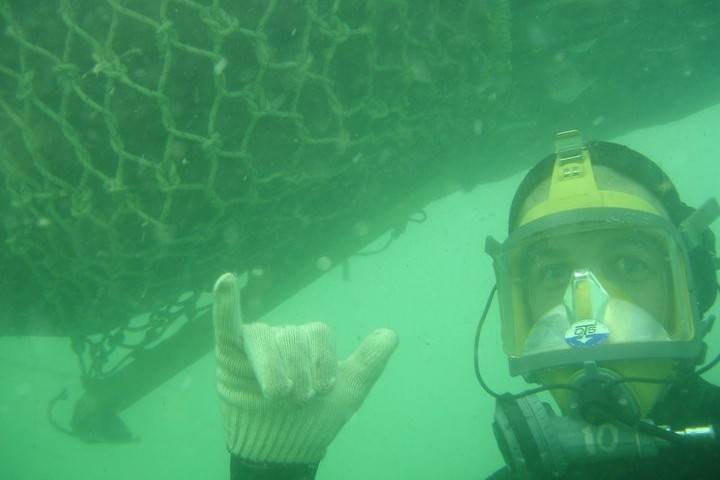
Brad Tachi figured that with a decade of military experience, including time as a diver in the Navy, the path toward professional success as a civilian would be relatively smooth. But Tachi received a stark reality check when he spent a year and a half applying for countless jobs and getting next to nothing in return.
Then a light bulb turned on for the Navy veteran. His resume was not designed to attract civilian work. More specifically, it wasn’t tailored to the jobs he really wanted.
While his military career stood out, the language on his resume was filled with Navy jargon. It didn’t reflect what a decade of leadership, sacrifice, commitment and learning new skills in pressure situations could bring to the civilian workforce.
That led Tachi to build Best Military Resume (BMR), an AI-assisted platform that helps veterans transform their work histories into attractive resumes that land quality, high-paying positions.
Total Rebuild in Minutes
Ethan Shipp, BMR’s chief growth officer, said the platform has been a game-changer for veterans seeking employment, created by someone who knows how frustrating post-military life can be. Shipp served in the Air Force for 10 years before separating last November.
“(Brad) spent 18 months applying for jobs and hearing nothing back, not because he wasn’t good enough, but because nobody teaches veterans that a resume written in military language is invisible to a civilian hiring manager,” Shipp told Military.com.
“’Managed NCOER evaluations for 45 personnel’ doesn’t land. ‘Led a 12-person dive team executing 200-plus underwater operations’ does. Same experience. Different language. Completely different results.”
The online tool uses words already on the resume like EPR (enlisted performance report) listings, awards, decorations, ops summaries, and constructs a civilian resume from the ground up. While AI does have its drawbacks and each resume should be checked before applying for jobs, the tool takes only minutes to create a new work history.
“Not a reword. A full rebuild,” Shipp said. “It produces two separate formats: one for USAJOBS federal applications, one for the private sector, each tailored to the specific job posting and optimized to pass the automated filters that screen out most applications before a human ever reads them.”
Tachi also wanted to create a useful tool for veterans without overcharging them, a practice he’s seen through other services that claim to help improve resumes but don’t offer the bang for the buck. Through BMR, the core platform is free and includes two full resumes, cover letters, and LinkedIn optimization.
BMR is only a couple of years old, and while the initial build-up was slow, Tachi has seen many veterans use it in recent months. According to Tachi, BMR has built more than 60,000 resumes since its launch in 2023. And Tachi loves getting messages from veterans who’ve landed great jobs from the platform.
“The outcomes are documented and real, and we’ve been getting tons of vets hired,” Shipp said.
He noted one veteran who had eight years of experience in the Army, translated it through BMR, and had three private-sector job offers within six weeks.
“Another veteran landed a six-figure role in the intelligence community after years of coming up empty,” Shipp said.
BMR’s website features nearly 200 success stories from veterans of all military branches. One included Rob, a retired lieutenant colonel who transitioned to business operations after 21 years in the Air Force
“Your program made my resume writing experience incredibly streamlined and I cannot stress how well organized it was!” he wrote. “I have received multiple compliments from organizations about my resume and it helped me land a job in the civilian sector!”

From Homeless to the Navy
Tachi knows what it’s like to struggle financially and professionally.
Before he signed up for the Navy, he was working two part-time jobs and living out of his car. Tachi thought about joining the military, even though no immediate family members had served, and he didn’t know anyone close to him with service ties.
“But I was like, well, you know, I like to eat three times a day, and it would be great to find a career and not be living in my car,” Tachi told Military.com. “I thought, Let’s go into the recruiter’s office and see what happens.”
The choice led to a rewarding experience where he got stationed in Japan, fell in love with the country, met his wife, and now lives there with his family. He was deployed to Southeast Asia and the Middle East, which included a dangerous assignment.
“The Middle East stuff was all IED (improvised explosive device) oriented, so we spent every day looking for bombs, basically,” Tachi said.
‘Garbage’ Resume
Tachi left the Navy as an E-6 (petty officer first class) with several years of tactical and leadership training skills. But resume writing proved harder than learning Japanese.

“I had no idea how to write a resume. I was just struggling,” Tachi said, “applying for federal jobs. … I eventually did land a job for like minimum wage, a terrible job with terrible people. I lost about 50 pounds in stress weight. All because I had no idea how to translate what I did in the Navy to something I could do in the civilian world, right?”
While diving was his primary job in the Navy, he got experience in logistics, supply and operations, all while helping train troops from other nations. He put these details down on paper, but it just didn’t properly convey his expertise to civilian employers.
That all changed when Tachi had a conversation with a superior who happened to be a reserve naval officer. He scanned his resume and gave him sobering advice.
“He said, ‘What the f*%k is this?’” Tachi recalls. “This is garbage.”
Tachi read his friend’s resume, which he used to apply for federal jobs, and it changed his whole outlook.
“Just the way he explained his experience and things like that, it was like, Oh, that makes sense now,” Tachi said.
He spent weeks rewriting his resume, but it led to interviews and eventually a federal job as an IT specialist.
Now he’s putting his energy into growing BMR and helping more unemployed veterans.
“I probably get messages every day from another veteran saying how much this tool helped them,” Tachi said. “And for them to take the time to do that … it’s very rewarding.”
Read the full article here
5 Comments
Great insights on Defense. Thanks for sharing!
I’ve been following this closely. Good to see the latest updates.
Solid analysis. Will be watching this space.
Good point. Watching closely.
This is very helpful information. Appreciate the detailed analysis.