

Listen to the article
The U.S. and Iran may sign an agreement to reopen the Strait of Hormuz on the sidelines of the Group of Seven world leaders summit next week, according to senior officials.
A senior Iranian official indicated overnight that a deal is likely, said a G7 official and a diplomat from outside the group, who both asked not to be named discussing sensitive matters.
This year’s G7 summit takes place in Evian, in the French Alps, from June 15 to June 17. Geneva, in Switzerland, is nearby and being floated as a potential location for the signing as soon as Sunday, according to people familiar with the plans.
U.S. President Donald Trump indicated that his vice president, JD Vance, and Steve Witkoff, a special envoy, would represent him at any signing.
The interim peace deal would see the U.S. and Iran extend their ceasefire by around two months and go into further negotiations over the Islamic Republic’s nuclear program. As well as Iran reopening the Hormuz strait, the U.S. would lift its blockade of Iranian ports.
The development would go a long way toward ending a war that’s caused chaos across the Middle East since late February, killing thousands of people and causing energy prices to soar. The fighting has also pushed up inflation globally, hurting U.S. President Donald Trump ahead of U.S. midterm elections in November.
The terms of the so-called memorandum of understanding still need to be approved by Iran’s Supreme Leader Mojtaba Khamenei, according to a European official familiar with the matter. He’s been in hiding since the conflict erupted with U.S.-Israeli strikes on Iran and the main mediators — Qatar and Pakistan — have found communicating with him can take days.
An Iranian foreign ministry spokesman on Friday said “we have not yet reached a conclusion” on any deal with the U.S. Still, he signaled there had been progress in recent days.
The Islamic Republic News Agency reports, separately citing a foreign ministry spokesperson as saying a draft is “nearly finalized and awaiting a final decision from Iran’s decision-making bodies.”
Oil prices fell and equities jumped late on Thursday when Trump said he had cancelled imminent airstrikes on Iran and claimed that an accord was all but done.
Energy dropped further on Friday, with Brent down 3.2% to below $88 a barrel. While the global benchmark is still up almost 45% this year, it’s fallen from a high of $125 in late April, in part because traders have anticipated a deal instead of a resumption of all-out warfare.
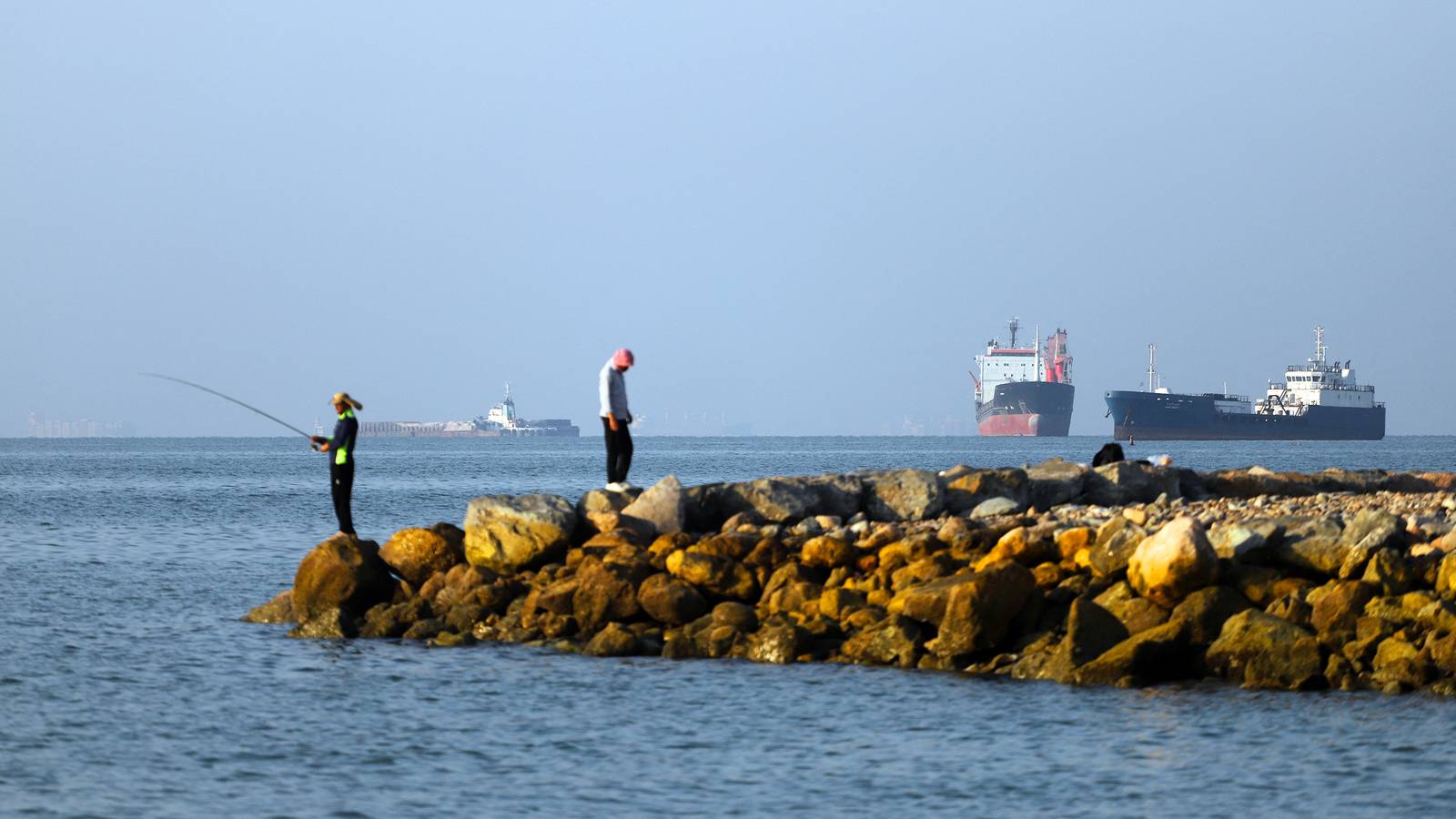
Trump said commercial vessels would have free passage through the strait, which normally handles one fifth of the world’s oil and liquefied natural gas supplies. Iran has yet to confirm that and has previously insisted on keeping control of traffic.
One diplomat familiar with the negotiations said the U.S. and its allies would aim to ensure usual levels of shipments through the waterway within about a month of a deal being signed. That may be complicated by the high likelihood of Iran having placed mines in the strait, which the U.K. and France are preparing to help clear.
Roughly 140 ships passed through the narrow chokepoint each day before the conflict erupted. Iran then all but closed it by firing on ships with drones and missiles. The number of vessels has crept up in recent weeks, but is still far below pre-conflict levels.
The text of the MOU has not been made public yet. Mehr, an Iranian news agency, reported it would include the release of $24 billion of Iranian funds held in foreign banks. Trump has previously balked at the idea of unfreezing Tehran’s funds.
Mehr also said the agreement states the U.S. will withdraw forces for areas near Iran, lift oil sanctions and “present reconstruction plans” for the Islamic Republic worth around $300 billion.
Iran’s government has said it suffered around that level of damage during the war because of the intense U.S. and Israeli bombardment, which also killed many leaders.
Another potential sticking point is Israel, which is not part of the negotiations for the interim deal. The Jewish state has resisted any MOU that includes a ceasefire in Lebanon, where it’s fighting Iran-backed Hezbollah militants.
Israel is wary of any deal with Iran and Prime Minister Benjamin Netanyahu has signaled he’d prefer more strikes to further degrade the country’s military.
Last week, Trump swore at Netanyahu during a call in which he urged the Israeli leader to ease military operations in Lebanon.
Iran and Israel fired missiles on one another on Sunday and Monday, forcing Trump to call for them to end their strikes.
Tensions between the U.S. and Iran also intensified this week, bringing their ceasefire from April 8 close to collapse.
The U.S. blamed Iran for downing an Apache attack helicopter and retaliated by firing on Iranian military sites on Tuesday night. Iran responded by targeting U.S. forces and bases in Jordan, Kuwait and Bahrain. There were more exchanges of fire on Wednesday.
Trump then said he would hit Iran “VERY HARD” on Thursday night, before changing plans and announcing a deal was close.
That came after Iran privately threatened to end negotiations and escalate its attacks in response to any further U.S. strikes, one of the diplomats said.
___
©2026 Bloomberg L.P. Visit bloomberg.com. Distributed by Tribune Content Agency, LLC.
Read the full article here
5 Comments
Interesting update on US, Iran Edge Toward Interim Deal Signing Close to G7 Next Week. Looking forward to seeing how this develops.
Good point. Watching closely.
This is very helpful information. Appreciate the detailed analysis.
I’ve been following this closely. Good to see the latest updates.
Great insights on Defense. Thanks for sharing!