

Listen to the article
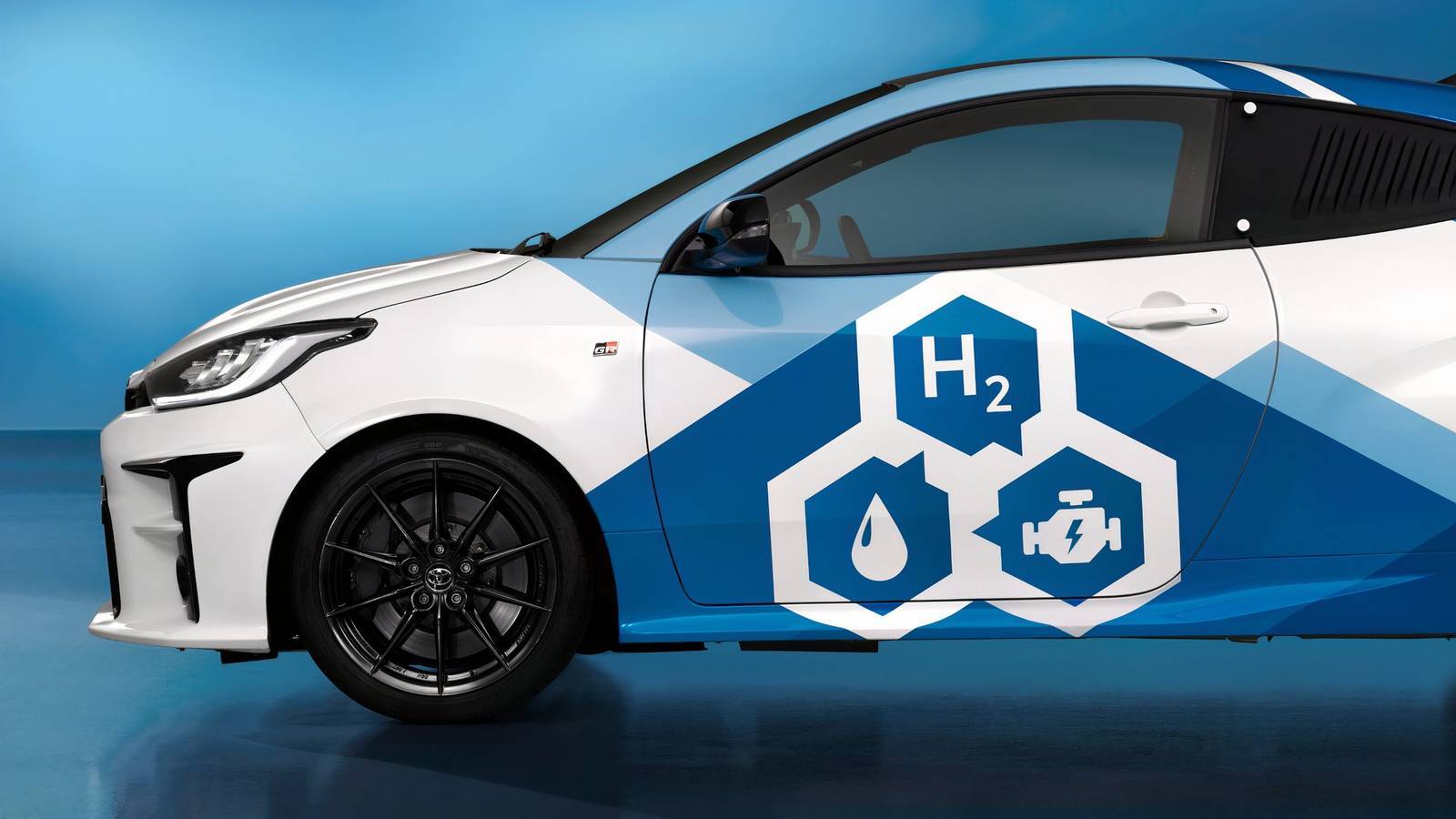
Toyota is finally bringing electric vehicles to market, but that doesn’t mean the company has given up on alternatives. CarBuzz has just found a patent that shows Toyota is tripling down on hydrogen. Triple down? That’s right – the Japanese automaker has tried hydrogen fuel cells, and it has tried hydrogen-burning piston engines.
Now, say hello to the hydrogen gas turbine. Turbine? Like, a jet turbine? Not a jet, but similar. Gas turbine engines are common in helicopters, airplanes, and in ships like naval vessels where power is more important than fuel economy. It spins like a jet, but you don’t get forced air out the back for thrust. These are all applications where power needs range from a few thousand to tens of thousands of horsepower, and they are sized accordingly. Here’s how Toyota’s hydrogen take might work
Toyota Will Do Anything To Avoid EVs
The patent is for what Toyota calls a gas turbine combustor. Like the name suggests, this is where the combustion happens. It’s an incredibly complex element of the gas turbine engine, and Toyota is trying to make one that can work in the low-power engines it needs. Specifically, it wants something that develops between 13 and 130 horsepower. That requires a much smaller design, and in the patent text, Toyota explains that it also needs a less complex structure.
It also needs to burn hydrogen instead of a hydrocarbon fuel. H2 is lighter than hydrocarbon fuels, and it has a higher combustion temperature. For ignition, both of those are problems, as spraying fuel and adding a spark doesn’t work the same way.
Instead, Toyota’s invention uses multiple fuel injectors. Each one gets a flow of compressed air and fuel coming from two separate paths into the nozzle. The air and hydrogen are then thoroughly mixed before an igniter in the injector fires and lights the mixture.
Automakers Have Been Trying Turbines Since The 1960s

This approach, with multiple injectors, keeps the fuel mix as uniform as possible. That stops a locally-rich mixture from forming and increasing NOx emissions. Also, because the multiple injectors ensure that there is flame everywhere, instead of just at the main injector, dead space inside the combustor is reduced. It might not matter in a ship, but that miniaturization is a big deal in a car.
Toyota doesn’t describe how effective the new engine would be in the patent. That would come down the road, as the company perfects the nozzles and their placement, as well as the injection pressures for the fuel.
Read the full article on CarBuzz
This article originally appeared on CarBuzz and is republished here with permission.
Read the full article here
6 Comments
Interesting update on Toyota, Apparently Bored With Piston Engines, Now Wants A Hydrogen Turbine. Looking forward to seeing how this develops.
This is very helpful information. Appreciate the detailed analysis.
Great insights on Defense. Thanks for sharing!
I’ve been following this closely. Good to see the latest updates.
Good point. Watching closely.
Solid analysis. Will be watching this space.