
Listen to the article
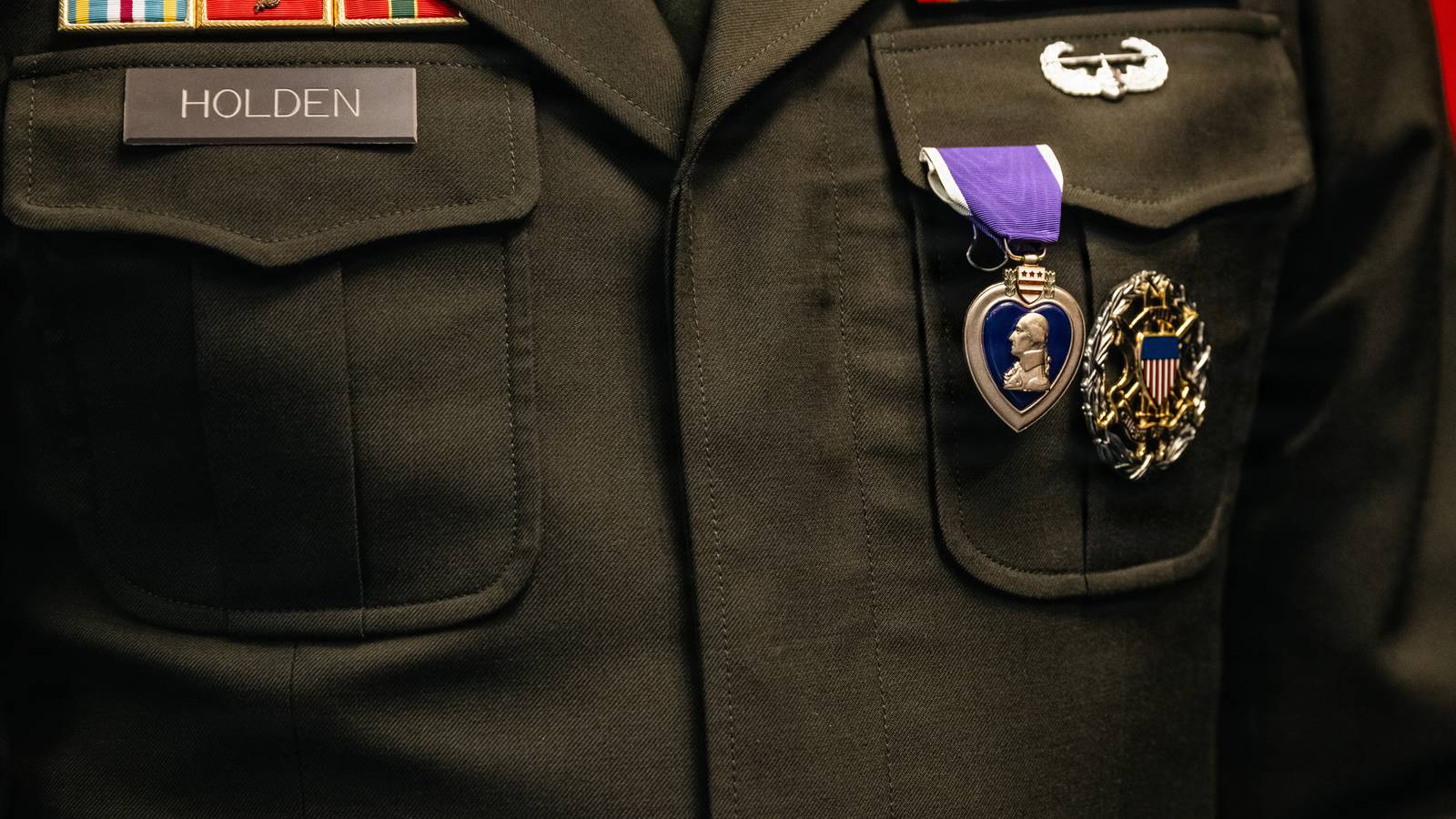
National Purple Heart Day falls on Aug. 7 every year, honoring the men and women wounded or killed while serving in the U.S. Armed Forces. It’s an unofficial observance — businesses and government offices don’t close — but it’s marked widely in practice, with states and cities pausing in recognition and Major League Baseball teams routinely honoring local recipients during pregame ceremonies.
The Nation’s Oldest Military Decoration
On Aug. 7, 1782, Gen. George Washington personally ordered creation of the Badge of Military Merit, meant to recognize bravery in combat at a time when the Continental Army had almost no formal system for honoring individual soldiers. The badge fell out of use for more than a century before being revived and renamed the Purple Heart in 1932, and its scope expanded during World War II to specifically cover service members wounded or killed in battle.
Eligibility has since grown to include injuries from terrorist attacks and designated peacekeeping service as well. More than 1.8 million Purple Hearts have been awarded across American conflicts, with especially large numbers for service in World War II, Vietnam, Iraq and Afghanistan. Members of the Army, Navy, Air Force, Space Force, Marine Corps and Coast Guard are all eligible.
Who Actually Qualifies
The standard is narrower than many assume. A service member qualifies who suffered a wound as the direct or indirect result of enemy action, and that wound required treatment by a medical officer at the time of the injury. Both conditions have to be met, which has led to a steady stream of denied or contested claims over the decades from veterans with real wounds who couldn’t establish the specific criteria.
The VA Benefits the Medal Unlocks
A Purple Heart carries concrete benefits inside the Department of Veterans Affairs system that don’t require a separate disability rating. Recipients are placed in a higher VA health care priority group and don’t have to make co-payments for inpatient or outpatient VA medical services.
Compensation: VA regulations require special consideration of a combat veteran’s own lay statements when evaluating whether a claimed condition connects to a documented Purple Heart wound, which can make it meaningfully easier to substantiate a claim.
Education: Every recipient qualifies for full Post-9/11 GI Bill benefits regardless of how long they served, bypassing the normal service-length thresholds, and those who received the medal on or after Sept. 11, 2001, also qualify for the Yellow Ribbon Program.
VA loans: Recipients additionally get VA home loan funding fee exemptions.
In addition to the federal VA benefits, many states offer their own property tax and vehicle registration benefits.
Read More: Your State Veteran Benefits
For Veterans Who Never Applied
Veterans wounded under circumstances that may meet the criteria but who never received the award, including some Vietnam-era veterans with incomplete combat records, can still apply through their service branch’s awards and decorations office, generally by submitting DD Form 149 with any supporting medical or unit records available. It’s a process many don’t realize remains open decades later.
Read the full article here
6 Comments
This is very helpful information. Appreciate the detailed analysis.
Solid analysis. Will be watching this space.
Good point. Watching closely.
I’ve been following this closely. Good to see the latest updates.
Interesting update on Purple Heart Day Is Aug. 7. The Award’s History and Benefits — and Who Can Still Apply. Looking forward to seeing how this develops.
Great insights on Defense. Thanks for sharing!