It’s not clear from the preview what specific aspects of Kevin Kent’s experience will be discussed, I hope the full video delves into the strategic decisions made during that time.
Kevin Kent’s experience in Iraq’s deadliest days is a testament to the bravery of Navy SEALs, I wonder what specific training prepared him for such intense situations.
Kevin Kent’s story is likely to resonate with many veterans who have experienced similar situations, it’s essential to provide support and resources for those affected by combat.
For those interested in military history or personal accounts of combat, this episode could offer unique insights into the realities of war and its aftermath.
Surviving Iraq’s deadliest days is a remarkable feat, Kevin Kent’s story could provide valuable lessons for future military operations and strategic planning.
Navy SEALs like Kevin Kent are often seen as heroes, but it’s also important to acknowledge the psychological toll of their experiences and the need for mental health support.
The title alone is enough to grab attention, I’m eager to hear Kevin Kent’s firsthand account of his time in Iraq and the lessons he learned from those experiences.
While the preview is intriguing, it would be helpful to have a brief summary or introduction to Kevin Kent’s background and achievements to appreciate the context of his story.
The reference to ‘Iraq’s deadliest days’ implies a peak in violence or danger, I’d like to know more about the historical context and what led to this period.
The decision to share personal stories like Kevin Kent’s can help raise awareness about the challenges faced by military personnel and the importance of support systems for veterans.
It’s concerning that the full video is only available on YouTube, I hope the content is also accessible through other platforms for those who don’t use YouTube.

15 Comments
It’s not clear from the preview what specific aspects of Kevin Kent’s experience will be discussed, I hope the full video delves into the strategic decisions made during that time.
The title ‘IED Alley’ suggests a high-risk environment, I’d like to know more about the strategies used to mitigate these risks and protect personnel.
Kevin Kent’s experience in Iraq’s deadliest days is a testament to the bravery of Navy SEALs, I wonder what specific training prepared him for such intense situations.
The Navy’s Basic Underwater Demolition/SEAL training is notoriously tough, it’s likely that played a significant role in his preparation.
Kevin Kent’s story is likely to resonate with many veterans who have experienced similar situations, it’s essential to provide support and resources for those affected by combat.
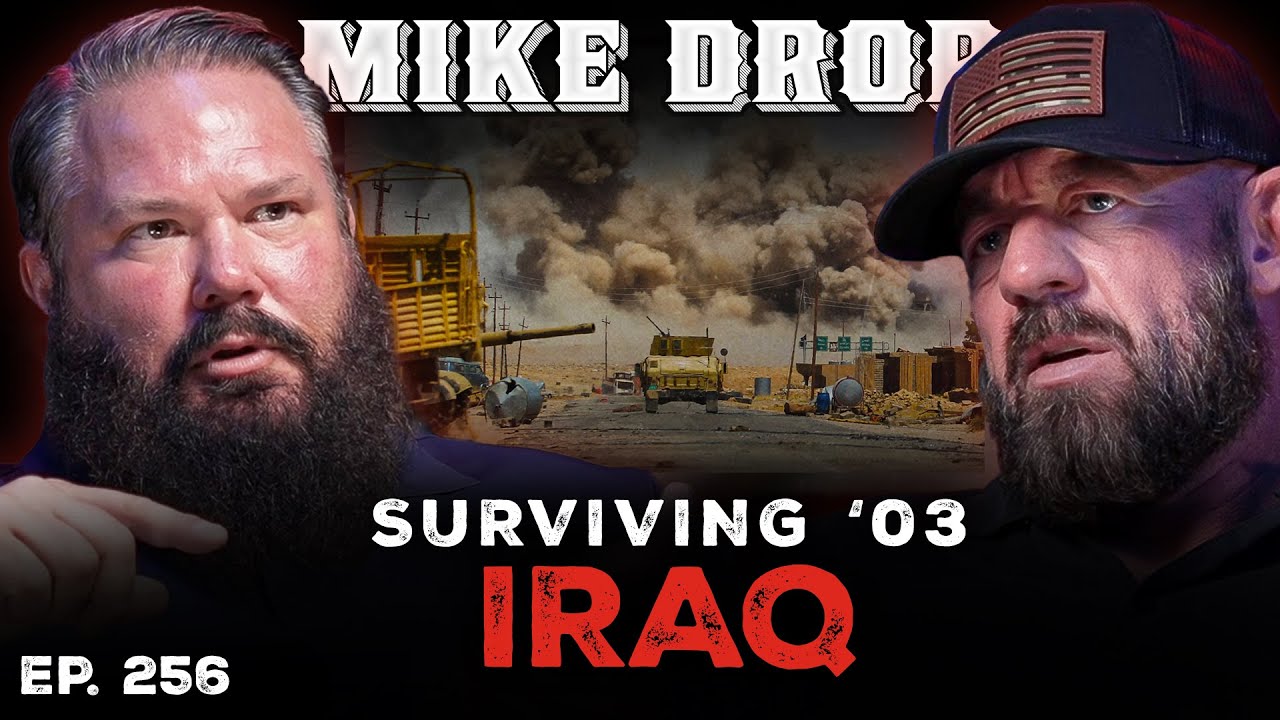
The fact that this is episode 256 suggests a long-running series, I’m curious about the variety of topics and guests they’ve had on previous episodes.
For those interested in military history or personal accounts of combat, this episode could offer unique insights into the realities of war and its aftermath.
Surviving Iraq’s deadliest days is a remarkable feat, Kevin Kent’s story could provide valuable lessons for future military operations and strategic planning.
Navy SEALs like Kevin Kent are often seen as heroes, but it’s also important to acknowledge the psychological toll of their experiences and the need for mental health support.
The title alone is enough to grab attention, I’m eager to hear Kevin Kent’s firsthand account of his time in Iraq and the lessons he learned from those experiences.
While the preview is intriguing, it would be helpful to have a brief summary or introduction to Kevin Kent’s background and achievements to appreciate the context of his story.
The reference to ‘Iraq’s deadliest days’ implies a peak in violence or danger, I’d like to know more about the historical context and what led to this period.
The decision to share personal stories like Kevin Kent’s can help raise awareness about the challenges faced by military personnel and the importance of support systems for veterans.
It’s concerning that the full video is only available on YouTube, I hope the content is also accessible through other platforms for those who don’t use YouTube.
That’s a good point, accessibility is important, perhaps they could consider hosting it on their official website as well.