

Listen to the article
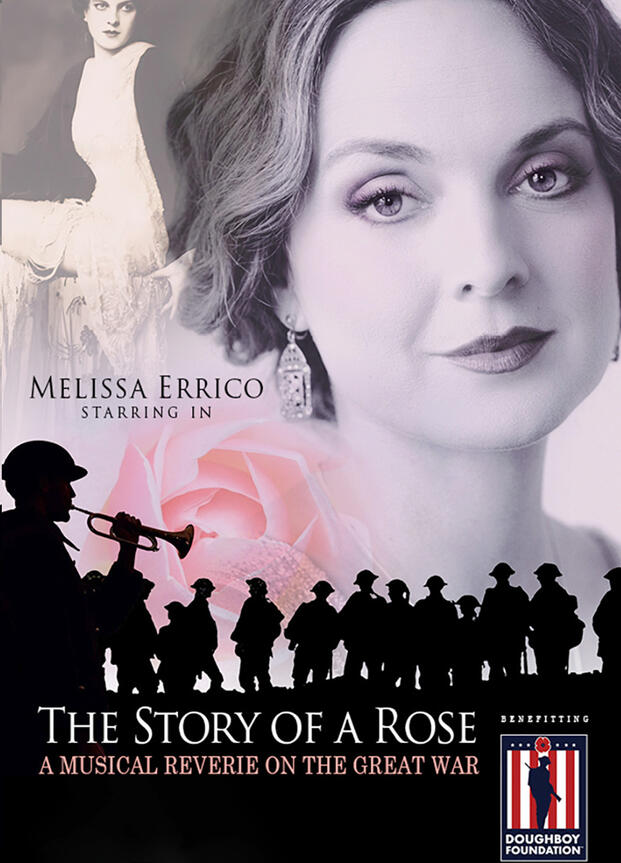
World War I has a strange place in our collective memory. It changed our collective history and the world, but it doesn’t always get the attention it deserves. On Tuesday, Jan. 13, that “forgotten war” gets the spotlight in Midtown, not through a lecture or a timeline, but through music, story, and a genuinely close-up, personal story. New World Stages hosts The Story of a Rose: A Musical Reverie on the Great War, a one-night-only presentation created by and starring Melissa Errico, produced by The Doughboy Foundation. It starts at 7:00 p.m., and it’s designed as a lush, theatrical one-woman concert: orchestral sound, evocative visuals, period costumes, and an all-star jazz ensemble that pulls you into the era before you even realize you’re “learning” anything.
STORY OF A ROSE: A Musical Reverie on the Great War
The Story Of A Rose: A Musical Reverie on The Great War
- The Story of a Rose: A Musical Reverie on the Great War
- Tuesday, Jan. 13, 2026, 7:00 p.m.
- New World Stages, 340 W. 50th St., New York City
- Tickets: $29 to $49, via Telecharge
Tuesday, Jan. 13, 2026, 7:00 p.m.
New World Stages, 340 W. 50th St., New York City
Tickets: $29 to $49, via Telecharge
Errico’s style has always lived in the space between beautiful singing and sharp, intelligent talk. Here, she’s using that gift to walk audiences through World War I in all its many-sided American complexity: the immigrants arriving before the war, the cultural shift at home, the pull of Europe, and then the moment America is suddenly in the war. The show moves through the world that shaped the conflict and the people who carried it, with one through-line above all: the music.
Melissa Errico Brings World War I to Life in The Story of a Rose
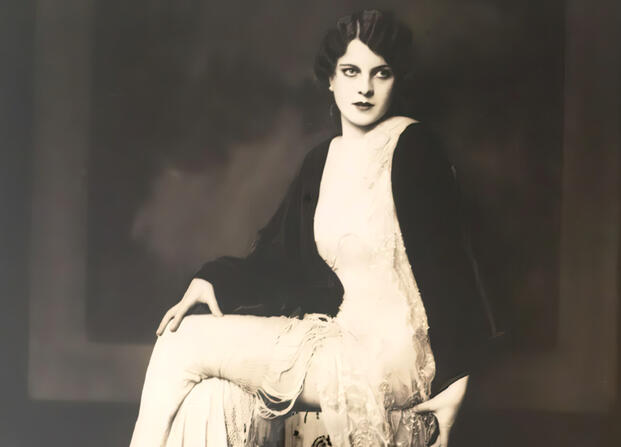
At the center is Rose, Errico’s own great-aunt, a family figure who becomes an avatar for a whole lost time. Rose’s connection to the Ziegfeld Follies gives the piece its frame, and from there Errico recreates the songs, the hopes, the flirtation and fear, the private lives that existed right alongside the headlines. It’s history, yes, but it’s also family legend: mischievous in places, melancholy in others, and unexpectedly intimate.
The Music of World War I, From Irving Berlin to Jazz on the Front Lines
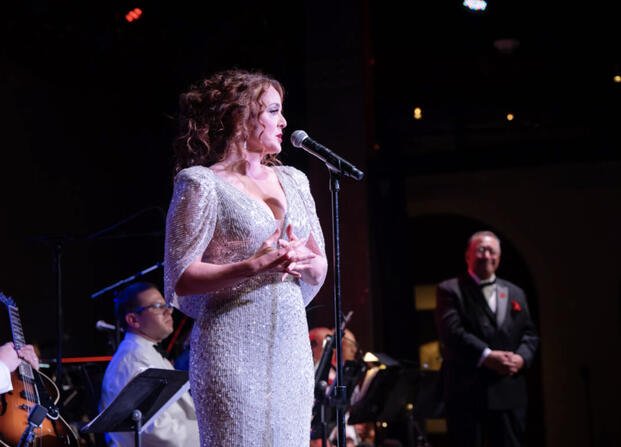
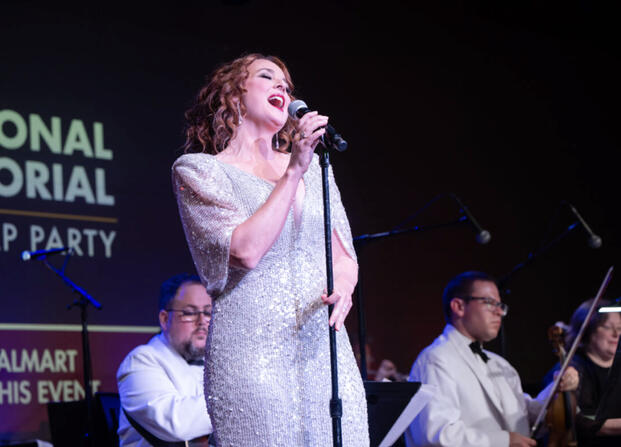
Musically, the show leans into the era’s sound, guided by jazz pianist and musical director Tedd Firth and his big-band ensemble. The song list spans the full emotional spectrum of wartime America: patriotism and protest, loss and longing, humor and heartbreak. You might hear “Oh, How I Hate To Get Up In The Morning!” and then find yourself in the bite of “I Didn’t Raise My Boy to Be a Soldier.” You’ll travel through early American standards like “Alexander’s Ragtime Band,” land in the romance of “They Didn’t Believe Me,” and end in a rousing “God Bless America,” a song Irving Berlin originally wrote with World War I in mind.
How American Song and Jazz Emerged During World War I
And Berlin isn’t the only presence here. The show touches on the nascent glories of Jerome Kern and the birth of distinctly American song during the war years. It also brings in one of the most important and too-often-skipped chapters of that story: the Harlem Hellfighters, who carried American jazz to France, introducing a sound that would help define the century, even as the war tried to break it.
Broadway actor and musician George Abud joins the evening in a variety of onstage roles, adding texture and movement to what is ultimately a one-woman concert shaped by character, memory, and address.
What gives the piece its emotional weight isn’t just the history. It’s Errico’s vantage point. She’s approaching these stories not only as a performer, but as a mother of three teenagers, the same age today as many of the soldiers whose lives she’s singing about. That detail lands. It collapses the distance. It makes it harder to keep the war filed away as “long ago.”

How Melissa Errico Connects Family History to World War I
Errico has a line that sits at the heart of the whole project: music is the one force that can connect private memory to common history. That’s the promise of The Story of a Rose. Every time we sing their songs, the people of that time live again, if only for a moment.
The production also fits squarely into The Doughboy Foundation’s broader mission: keeping faith with the American Doughboys and all who served in World War I. The foundation supports education and commemoration efforts nationwide and continues to steward the National World War I Memorial in Washington, D.C., built in partnership with the U.S. World War I Centennial Commission.
A special one-night concert and a national memorial might seem to belong to different worlds. In practice, they’re companion pieces. One holds history in stone and bronze. The other holds it in voice, rhythm, and time. One asks you to look. The other asks you to listen.
Event Details
- The Story of a Rose: A Musical Reverie on the Great War
- Tuesday, Jan. 13, 2026, 7:00 p.m.
- New World Stages, 340 W. 50th St., New York City
- Tickets: $29 to $49, via Telecharge
Story Continues
Read the full article here
14 Comments
The fact that the show spans the full emotional spectrum of wartime America, from patriotism to protest, loss to longing, and humor to heartbreak, is a testament to the complexity of the era.
The price of tickets, ranging from $29 to $49, seems reasonable considering the production value and the unique nature of the show.
I’m intrigued by the idea of using music to tell the story of World War I, and Melissa Errico’s connection to the era through her great-aunt Rose adds a personal touch to the performance.
The use of Rose’s story as a framework for the show is a great way to make the history more relatable and engaging for the audience.
Melissa Errico’s ability to balance beautiful singing with sharp, intelligent talk will likely make the show an engaging and informative experience for the audience.
The fact that the show is a one-night-only presentation makes it feel like a special event, and the intimate setting of New World Stages may add to the overall impact of the performance.
The personal connection to the Ziegfeld Follies through Melissa Errico’s great-aunt Rose adds a fascinating layer to the show, highlighting the intersection of entertainment and history.
I’m curious to know more about the research that went into creating the show, particularly in terms of the music and the historical context.
The show’s musical director, Tedd Firth, is a renowned jazz pianist, and his expertise likely played a significant role in selecting the songs and creating the overall sound.
I’m excited to see how the show incorporates the music of Irving Berlin and other notable composers of the era to tell the story of World War I.
The use of period costumes and an all-star jazz ensemble will likely transport the audience to the era, making the history feel more vivid and immersive.
I’m skeptical about how effectively the show can convey the complexity of World War I in a single performance, but the combination of music, story, and personal narrative may make it work.
The show’s focus on the American experience during World War I may help to provide a more nuanced understanding of the era, even if it can’t cover everything.
The show’s exploration of the cultural shift in America during World War I, including the impact of immigration and the pull of Europe, will likely provide valuable insights into the era.