

Listen to the article
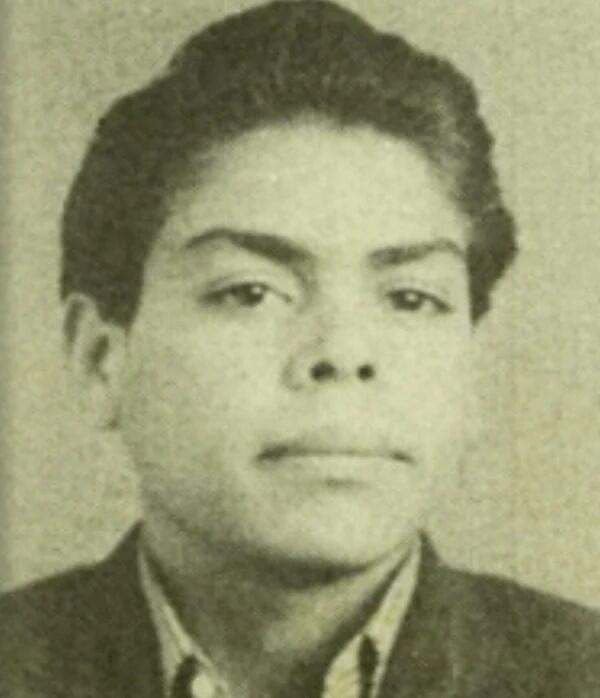
After more than a decade, remains discovered in southern Minnesota have finally been matched to World War II veteran Luis Gilberto Robledo, according to CBS News Minnesota.
The DNA Doe Project identified Robledo’s remains and provided an update on the case to news outlets on Dec. 17. The project was established in 2017 and has taken on over 250 cases involving unidentified remains. The DNA Doe Project was one of the first organizations to successfully use genetic genealogy to properly ID several Jane and Jon Does.
“At DNA Doe Project, we don’t just take on the ‘easy’ cases — we accept those from every community, regardless of circumstance, racial or gender identity, or cause of death,” the project’s website states.
“It can take months or years to identify these individuals, but we don’t give up. We believe that everyone deserves the opportunity to maintain their name and identity, even in death. We work every day to make that reality.”
Several challenges prevented the organization from properly identifying the WWII veteran earlier, such as his age, which was originally estimated to be in the 40s or 50s at the time of death, along with the fact that Robledo had no obvious ties to Minnesota.
Robledo’s skeletal remains were discovered close to a SuperAmerica gas station in Albert Lea off Interstate 90 in April 2015. At the time, local detectives thought the cause of death was suspicious.
According to the DNA Doe Project, several items were found near the remains, including pants, loafers, and a 10-karat gold ring featuring a ruby-colored stone, along with a few coins produced between 1965 to 1992. Initially, investigators at the Freeborn County Sheriff’s Office in Minnesota believed the man’s age was between 40 and 55 when he died.
Questions Lead to Answers
But how did the remains get there? And who did they belong to?
With so many questions swirling, the sheriff’s office asked the DNA Doe Project for assistance in solving the case. Genetic genealogists there found the unidentified male was Mexican, and they were pleasantly surprised to discover he had “a number of close matches in the GEDmatch database,” according to team co-leader Jeana Feehery, who worked on the case.
“Hispanic cases are often tough because that population is underrepresented in the DNA databases we have access to,” Feehery said in a press release.
“We were lucky to have close DNA matches on both the mother’s side and the father’s side, which allowed us to identify our John Doe’s parents within 24 hours.”
Researchers found that Robledo was born in 1923 in El Paso, Texas, and died sometime between 2000 and 2012. They also believe his remains could have been in Albert Lea one to five years before they were found.
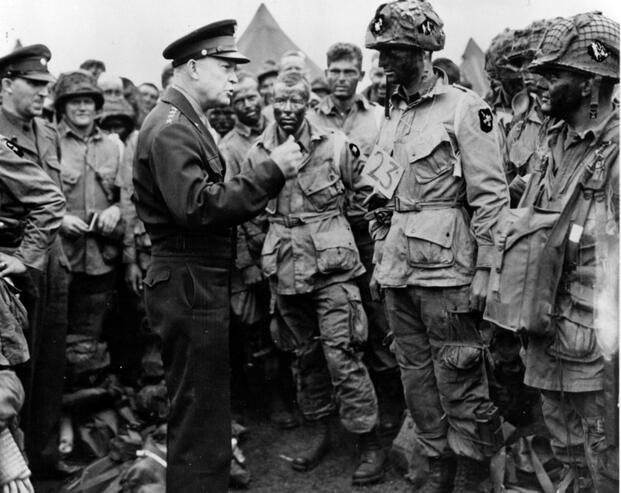
Not much is known about Robledo’s military service. He was a World War II veteran, suffering injuries in the D-Day invasion of Normandy, France, in 1944. Sometime after the war, Robledo moved to Los Angeles. His final residence, based on public records, indicated he was living in Mexico in 1990.
Much of Life Still a Mystery
Researchers from the DNA Doe Project expressed surprise when they learned Robledo was really much older at the time of his death, likely in his 70s or 80s.
“We were very surprised,” Team co-leader Lisa Ivany said in a statement. “The discrepancy with the age estimate was significant, but the DNA evidence clearly pointed to our John Doe being Luis Robledo.”
Team members reached out to the Minnesota Bureau of Criminal Apprehension to help them connect to Robledo’s next of kin. They contacted one of his children, who sent them a positive DNA sample.
Project officials are still trying to determine exactly when the veteran died and when he came to Minnesota.
Robledo’s case took hours of expensive lab work, and the DNA Doe Project received aid from a “generous donor” to identify the remains. A number of state and federal agencies also lent a hand, including the Ramsey County Medical Examiner’s Office, Freeborn County Sheriff’s Office, Minnesota Bureau of Criminal Apprehension, the Los Angeles County Sheriff’s Department, and the Colorado Bureau of Investigation.
Story Continues
Read the full article here
26 Comments
The DNA Doe Project’s use of genetic genealogy to identify Robledo’s remains has set a precedent for the use of this technology in forensic science, and I believe that their work will continue to shape the field in the future.
I’m curious about the circumstances surrounding Robledo’s death, as the cause was initially thought to be suspicious, and I wonder if the DNA Doe Project’s findings will shed more light on this aspect of the case.
I’m interested in learning more about the DNA Doe Project’s other cases, and how they have used genetic genealogy to identify remains in different communities, as their work has the potential to make a significant impact on the field of forensic science.
The DNA Doe Project’s use of genetic genealogy to identify Luis Gilberto Robledo’s remains is a remarkable achievement, especially given the challenges they faced with his estimated age and lack of obvious ties to Minnesota.
The fact that Robledo’s remains were found with a few coins produced between 1965 to 1992 suggests that he may have been living in the area for some time before his death, and I wonder if there are any other clues that could help piece together his final days.
The DNA Doe Project’s findings, combined with further investigation, may help to shed more light on Robledo’s life and death, and provide a more complete picture of his experiences.
The DNA Doe Project’s success in identifying Robledo’s remains, despite the challenges they faced, is a tribute to their expertise and perseverance, and their work has brought closure to Robledo’s family and community.
The fact that Robledo’s remains were found with a 10-karat gold ring featuring a ruby-colored stone and coins produced between 1965 to 1992 suggests that he may have been a man of some means, and I’d like to know more about his life before his military service.
It’s possible that the ring and coins were gifts or mementos from his time in the war, and further research into his background could reveal more about his experiences.
The fact that Robledo’s remains may have been in Albert Lea for one to five years before they were found raises questions about how he ended up there, and whether he had any connections to the area, and I hope that further investigation will provide more answers.
It’s possible that Robledo was traveling through the area or had some other connection to Albert Lea, but without more information, it’s difficult to say for certain.
The DNA Doe Project’s commitment to identifying remains, regardless of the challenges they face, is a testament to their dedication to their work, and their success in identifying Robledo’s remains is a remarkable achievement.
I’m curious about the role of the Freeborn County Sheriff’s Office in the investigation, and how they worked with the DNA Doe Project to identify Robledo’s remains, as their collaboration was likely crucial to the success of the case.
The fact that Robledo was identified through genetic genealogy, despite being a Hispanic male, which is often an underrepresented population in DNA databases, is a significant achievement, and highlights the importance of diverse DNA sampling.
The DNA Doe Project’s success in identifying Robledo’s remains, despite these challenges, demonstrates the potential of genetic genealogy to identify remains from diverse backgrounds.
The fact that Robledo was born in 1923 in El Paso, Texas, and died sometime between 2000 and 2012, suggests that he lived a long and potentially eventful life, and I’d like to know more about his experiences during World War II.
Unfortunately, not much is known about Robledo’s military service, but perhaps further research into his records will reveal more about his time in the war.
The fact that Robledo’s remains were identified through genetic genealogy, despite being a complex and challenging case, is a testament to the DNA Doe Project’s expertise and dedication, and their work has brought closure to Robledo’s family and community.
The discovery of Robledo’s remains near a SuperAmerica gas station in Albert Lea, off Interstate 90, raises questions about how he ended up there, and I hope that further investigation will provide more answers about his final days.
I’m skeptical about the initial estimate of Robledo’s age at the time of death, which was thought to be between 40 and 55, and I wonder what factors led to this mistake, as the DNA Doe Project later found him to be much older.
It’s not uncommon for age estimates to be incorrect, especially when dealing with skeletal remains, and the DNA Doe Project’s use of genetic genealogy helped to clarify Robledo’s true age.
The DNA Doe Project’s work on Robledo’s case highlights the importance of using genetic genealogy to identify remains, especially in cases where traditional methods have failed, and I believe that their work will continue to bring closure to families and communities in the future.
I’m interested in learning more about the impact of the DNA Doe Project’s work on Robledo’s family and community, and how his identification has brought closure to those who knew him, as their work has the potential to make a significant difference in the lives of those affected by unidentified remains.
The DNA Doe Project’s commitment to identifying remains from every community, regardless of circumstance, racial or gender identity, or cause of death, is truly admirable, and their work on Robledo’s case is a testament to their dedication.
I’m curious about the potential for the DNA Doe Project’s work to be used in conjunction with other technologies, such as facial recognition or digital forensics, to identify remains and solve crimes, as their methods have significant implications for the field of forensic science.
I’m curious about the process of genetic genealogy used by the DNA Doe Project, and how they were able to find close DNA matches for Robledo on both his mother’s and father’s sides, which ultimately led to his identification.