

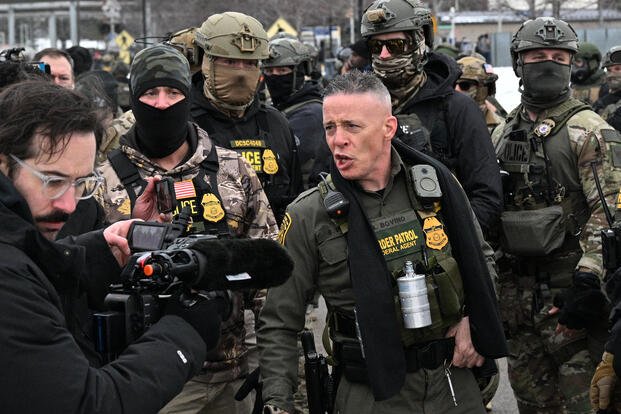
Listen to the article
The federal government has blocked Minnesota investigators from participating in the probe into Wednesday’s fatal U.S. Immigration and Customs Enforcement (ICE) shooting in Minneapolis, igniting a federal-state confrontation.
Vice President JD Vance made his first remarks on the incident on Thursday, forcefully defending the unnamed ICE agent involved in the shooting while rejecting calls for state oversight. He argued that immigration enforcement and the investigation fall squarely under federal authority.
His remarks came as Minnesota officials confirmed the state’s Bureau of Criminal Apprehension (BCA) was denied access to the case. Officials said the federal government’s decision to exclude state investigators has raised serious questions about transparency and public trust.
Federal immigration officers were conducting an enforcement operation in Minneapolis when an ICE agent shot and killed Renee Nicole Good, 37, during a confrontation involving a vehicle. The Trump administration says the agent acted in self-defense after being struck by the car, with the Department of Homeland Security accusing the victim of “an act of domestic terrorism.”
Federal Leaders Side With ICE
Trump administration officials mounted an aggressive defense of the ICE agent as scrutiny over the incident and resulting investigation remains ongoing.
Vance said evidence shows the vehicle struck the agent, leaving him no choice but to use deadly force. He described the encounter as “an attack on federal law enforcement” and warned against what he called political interference in an active federal investigation.
The vice president described Good as a “victim of left-wing ideology,” adding that the ICE agent had “every reason” to believe he was under threat.
“The reason this woman is dead is because she tried to ram somebody with her car,” Vance said.
Video footage of the incident that has been widely circulated contradicts statements made by federal officials, including President Donald Trump, who said the ICE agent was in danger and threatened by Good’s vehicle.
Vance also criticized political leaders and media coverage which he said mischaracterized the incident, arguing that inflammatory rhetoric around immigration enforcement has contributed to growing hostility toward federal officers. He said the administration would expand investigations into what he described as coordinated efforts to obstruct immigration operations, also announcing plans to strengthen Justice Department coordination on enforcement and fraud cases.
The administration has pointed to agency capacity and training as central to its enforcement posture, even as rapid expansion has triggered questions on Capitol Hill about preparation, standards and oversight tied to a hiring surge. That scrutiny has sharpened as operations widen and confrontations become more frequent.
Walz Demands State Role in Investigation
State leaders pushed back sharply, calling the shooting a tragedy and accusing federal officials of prejudging the case before investigators could fully establish what happened.
Minnesota Gov. Tim Walz, a Democrat, said Thursday that the Minnesota Bureau of Criminal Apprehension was denied participation in the investigation—warning that excluding state investigators undermines public confidence in any outcome.
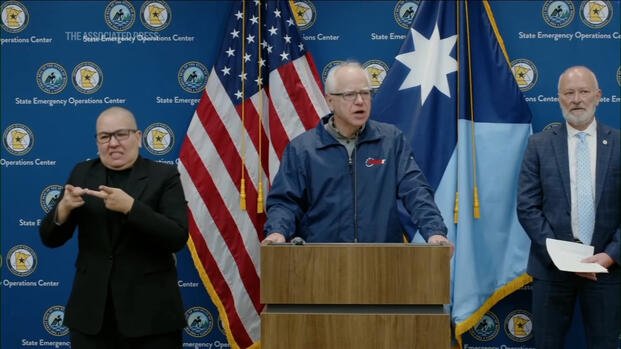
He said that Minnesota law requires independent review when law enforcement uses deadly force, saying the BCA was created specifically to handle high-profile use-of-force cases involving intense public scrutiny.
“Minnesota must be part of this investigation,” Walz said, arguing that transparency and independent oversight are essential to maintaining trust, particularly as emotions run high in the city, state and nationwide.
Walz also urged calm across the state, repeatedly calling for peaceful protest and cautioning against directing anger toward local police, state troopers or National Guard members deployed to maintain public safety. He warned that violence or retaliation would only deepen divisions and complicate the search for answers.
Noem Defends Federal Authority and Enforcement Mission
Homeland Security Secretary Kristi Noem echoed the administration’s stance, continuing to defend the ICE agent’s actions and the decision to keep the investigation under federal control.
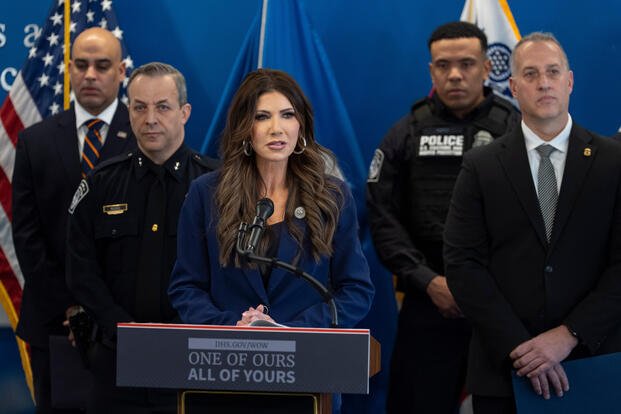
Speaking at a press conference in New York, Noem said the agent followed training and that standard use-of-force review procedures were underway. She warned that interference with federal law enforcement operations puts officers and the public at risk, adding that DHS would continue enforcement actions nationwide.
Noem framed the Minneapolis shooting as part of a broader pattern confronting immigration officers, citing protests, vehicle blockades and efforts to obstruct arrests during enforcement operations.
A National Showdown
The Minneapolis shooting has become another flashpoint in the national debate over immigration enforcement and deployed tactics, along with the balance of power between federal and state authorities.
Federal officials have argued that aggressive enforcement is necessary to protect officers and communities amid rising resistance to immigration operations, while Minnesota leaders counter that accountability and independent oversight are essential to maintaining public trust when deadly force is used.
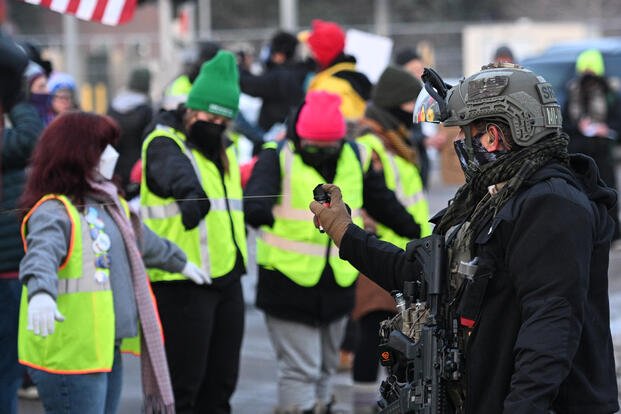
The clash reflects tensions that have been building in other major cities where residents, activists and elected leaders have described more combative immigration tactics, including large-scale operations and heightened use of force that can turn quickly into street-level confrontation.
Schools in Minneapolis were closed Thursday for precautionary measures as demonstrations continued across the city. State officials urged residents to avoid speculation and wait for verified findings. Federal leaders signaled no pause in enforcement operations despite mounting criticism.
The investigation remains ongoing. Federal authorities have not released a timeline for findings or said when additional evidence might be made public.
Story Continues
Read the full article here
20 Comments
The description of Renee Nicole Good as a ‘victim of left-wing ideology’ by Vice President JD Vance is a troubling example of politicization and dehumanization, and it’s essential to focus on the facts of the case rather than resorting to ideological labeling.
The statement by Vice President JD Vance that inflammatory rhetoric around immigration enforcement has contributed to growing hostility toward federal officers may be a legitimate concern, but it does not justify the exclusion of state investigators from the case or the lack of transparency in the federal government’s handling of the investigation.
The fact that the federal government is excluding state investigators from the case, while also announcing plans to expand investigations into what they describe as coordinated efforts to obstruct immigration operations, suggests a potential conflict of interest and a lack of impartiality.
The fact that Vice President JD Vance is defending the ICE agent involved in the shooting, stating that the agent acted in self-defense, raises questions about the transparency of the investigation and the potential for bias in the federal government’s handling of the case.
The Trump administration’s emphasis on agency capacity and training as central to its enforcement posture, despite questions about preparation and standards, may be intended to deflect criticism and justify the actions of the ICE agent involved in the shooting.
The fact that the ICE agent shot and killed Renee Nicole Good during a confrontation involving a vehicle, and the subsequent characterization of the incident as ‘an act of domestic terrorism’, warrants a thorough and impartial investigation to determine the circumstances surrounding the shooting.
The incident highlights the need for greater oversight and accountability within ICE, particularly given the rapid expansion of the agency and the increasing frequency of confrontations between immigration officers and the public.
The expansion of investigations into what the administration describes as coordinated efforts to obstruct immigration operations may be seen as an attempt to intimidate and silence critics of the federal government’s immigration policies, rather than addressing the legitimate concerns and questions surrounding the ICE shooting.
The Trump administration’s handling of the ICE shooting incident, including the exclusion of state investigators and the aggressive defense of the ICE agent, suggests a lack of commitment to transparency and accountability, and may damage the public’s trust in the federal government’s ability to investigate and address incidents of this nature.
The statement by Vice President JD Vance that the administration would strengthen Justice Department coordination on enforcement and fraud cases may be seen as an attempt to consolidate power and limit external scrutiny, rather than addressing the underlying issues surrounding the ICE shooting.
The incident and the subsequent response from the federal government highlight the need for a nuanced and balanced approach to immigration enforcement, one that takes into account the complexities of the issue and the potential consequences of aggressive enforcement tactics.
Vice President JD Vance’s statement that the ICE agent had ‘every reason’ to believe he was under threat, despite contradictory video footage, demonstrates a clear bias in favor of the agent and the federal government’s narrative.
It’s concerning that the Trump administration is accusing the victim, Renee Nicole Good, of ‘an act of domestic terrorism’ without providing clear evidence to support this claim, and it’s worth examining how this labeling could impact the perception of the incident.
The decision to block Minnesota investigators from participating in the probe into the ICE shooting is troubling, as it undermines state oversight and raises questions about the federal government’s commitment to transparency and accountability.
The federal government’s decision to deny the Minnesota Bureau of Criminal Apprehension access to the case, despite their request to participate in the investigation, raises concerns about the lack of transparency and the potential for a cover-up.
This lack of cooperation between federal and state authorities can erode trust in the investigation’s findings and undermine the public’s confidence in the justice system.
It’s worth noting that the Trump administration’s aggressive defense of the ICE agent and their characterization of the incident as ‘an attack on federal law enforcement’ may be intended to shape public opinion and deflect criticism, rather than providing a neutral assessment of the facts.
This kind of rhetoric can be damaging, as it may contribute to the polarization of the debate around immigration enforcement and the treatment of individuals like Renee Nicole Good.
The video footage of the incident that has been widely circulated contradicts statements made by federal officials, including President Donald Trump, which suggests that there may be discrepancies in the official narrative and warrants further investigation.
This discrepancy highlights the need for an independent investigation to determine the facts of the case, rather than relying solely on federal officials’ accounts.