


Listen to the article
Lyle Allen and Chad Rogers, like thousands of other disabled veterans across the U.S., feel like they’re getting the shaft.
Rogers and Allen are hoping a proposed bill, the Major Richard Star Act, receives congressional approval and is passed into law this year, providing them with the military benefits they say they’ve rightfully earned.
Both Army veterans, and members of the Wounded Warrior Project, Allen and Rogers are 100 percent disabled. They said the Major Richard Star Act would help disabled veterans, eliminating a policy that limits combat veterans from accessing military retirement benefits.
Richard Star, a former Army major, battled lung cancer for years before dying from the disease in 2021. Star, like Rogers and Allen, was deployed to Iraq where his lungs were exposed to toxic burn pits. As if Star didn’t have enough on his mind, during chemotherapy, he was told by the Department of Defense that he could not receive retirement pay, along with disability funds.
Rogers and Allen, both combat veterans, said they received the same cold shoulder from the government when they requested similar disability payments. As high-ranking sergeants, they had worked their way up and planned to build a career in the military. However, injuries forced Allen and Rogers to shift course and leave the Army. Now they’re battling a policy they say is unfair.
“We are eligible for all the benefits except our retirement,” Rogers told WATE in Knoxville, Tennessee. “So, we are retired without retirement.”
Allen agreed, calling the retirement package – or lack thereof – disheartening.
“In the military, it’s just a disability; you can’t collect workman’s comp or your retirement after you get injured,” he said.

Life-Changing Injuries
Allen spent 14 years in the Army, serving mostly as a combat engineer. His life was forever altered on a deployment to Iraq. Allen’s unit was clearing a roadway when suddenly there was a blast. Everything turned black.
“I was driving a five-ton vehicle, we got hit by an improvised explosive device,” Allen said. “I don’t remember too much. I remember the medics coming up to me, making sure I’m alright. I am 100 disabled, service connected.”
Allen also has a “total and permanent” rating, meaning his traumatic brain injury will likely never improve, according to a disability ratings system from the Department of Veterans Affairs.
Rogers also didn’t make it through Iraq unscathed, breathing in hazardous chemicals without fully knowing what he was inhaling.
“It ended up being chemical exposure while I was in theater,” Rogers said. “Somewhere along the way, we don’t know where. There were places that I would go into, and the air would taste weird, or the air would burn your skin.”
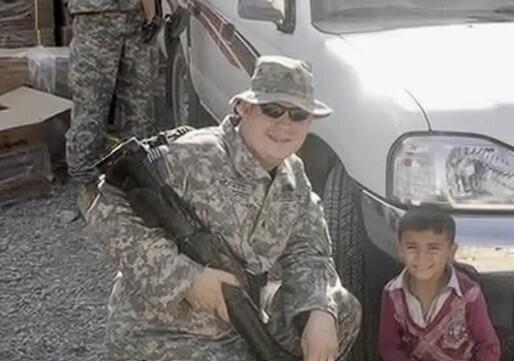
Military Dreams Curtailed
For Allen and Rogers, dreams of spending decades in the Army turned into painful nightmares.
Both came from military backgrounds with grandfathers serving in World War II. They were excited to enlist, honorably serve, and move steadily through the ranks.
“When I enlisted, I had every ambition of serving at least 20 years; the goal was 30 years,” Rogers said.
The former sergeants said the current benefits policy puts them in a precarious position. Is it more beneficial to only receive retirement earnings or VA disability payments? If the Major Richard Star Act gets passed, it would give medically retired veterans with less than 20 years of service, who suffered injuries in combat, an opportunity to receive both options simultaneously.
“This just doesn’t affect myself personally; this affects our future generation as well,” Allen said.
Fortunately for Allen and Rogers, the bill has wide-spread bipartisan approval from both parties in the House and Senate. Of course, cost is always a factor and veterans groups admit the bill’s price tag could be the biggest hurdle for approval. Versions of the bill have been presented to lawmakers in the past but were voted down due to lack of information about how the funding will be paid for.
While there’s still work to be done to see the Major Richard Star Act come to fruition, supporters believe it’s a fair and long-overdue solution to help ailing veterans.
Read the full article here
20 Comments
The fact that Allen and Rogers are ‘retired without retirement’ is a stark illustration of the flaws in the current system – the Major Richard Star Act could be a crucial step towards fixing this issue.
I’m excited to see the potential impact of the Major Richard Star Act on the lives of disabled veterans like Allen and Rogers – it could be a game-changer for them and their families.
It’s shocking that these veterans are being forced to fight for the benefits they’ve earned – shouldn’t the government be supporting them, rather than creating obstacles?
The government’s role is to serve and protect its citizens, including those who have served in the military – it’s time for them to step up and provide the necessary support.
It’s disheartening to hear that Allen and Rogers, both high-ranking sergeants, had to leave the Army due to their injuries, and are now struggling to receive the retirement benefits they’ve earned – the Major Richard Star Act could be a game-changer for them.
I’m skeptical about the government’s stance on this issue – don’t they have a responsibility to provide for these veterans, who have put their lives on the line for their country?
The government’s priorities seem misplaced, and it’s time for them to re-evaluate their policies and provide the necessary support for these veterans.
The fact that Richard Star, a former Army major, was exposed to toxic burn pits in Iraq and later died from lung cancer, only to have his retirement pay denied, is a tragic reminder of the bureaucratic red tape these veterans face.
Chad Rogers’ experience with chemical exposure in Iraq, where he breathed in hazardous chemicals without knowing what he was inhaling, is a disturbing example of the risks these veterans took, and it’s only right that they receive the benefits they deserve.
The story of these veterans is a powerful reminder of the importance of supporting our military personnel, both during and after their service – we owe it to them to provide the benefits they’ve earned.
The story of Lyle Allen and Chad Rogers, both 100 percent disabled veterans, highlights the need for the Major Richard Star Act to be passed, which would eliminate the policy limiting combat veterans from accessing military retirement benefits.
It’s shocking that they were told they couldn’t receive retirement pay along with disability funds, despite their years of service and sacrifices.
I’m concerned about the long-term effects of toxic burn pits on veterans’ health – what is being done to address this issue and prevent similar incidents in the future?
It’s crucial that we learn from the past and take steps to protect our military personnel from these kinds of hazards – their health and well-being depend on it.
The Department of Defense’s decision to deny Richard Star’s retirement pay, despite his years of service and terminal illness, is a stark example of the bureaucratic inefficiencies that these veterans face – it’s time for change.
It’s heartbreaking to hear about the struggles that Lyle Allen and Chad Rogers are facing, and I hope that the Major Richard Star Act will bring them the relief they deserve – they’ve certainly earned it.
The fact that Allen spent 14 years in the Army, serving mostly as a combat engineer, only to have his life forever altered by an improvised explosive device, is a sobering reminder of the sacrifices these veterans have made.
The fact that these veterans are being denied retirement benefits, despite their service and sacrifices, is a national disgrace – it’s time for the government to take action and provide them with the support they deserve.
I’m curious to know more about the disability ratings system from the Department of Veterans Affairs, which gave Allen a ‘total and permanent’ rating for his traumatic brain injury – how does this impact his daily life?
The quote from Lyle Allen, ‘We are eligible for all the benefits except our retirement,’ really drives home the point that these veterans are being shortchanged – it’s time for the government to step up and provide them with the support they need.