


Listen to the article
A brief exchange on X between White House adviser Stephen Miller and Star Trek icon William Shatner has ignited yet another culture-war skirmish over the franchise, which has long served as a stand-in for American ideas about leadership, institutions, and hope for the future.
What began as a repost of a short clip from Paramount+’s newly premiered Star Trek: Starfleet Academy quickly turned into a viral moment, driven less by the show itself than by what different audiences believe Star Trek should represent in 2026.
What Stephen Miller Said About ‘Star Trek’
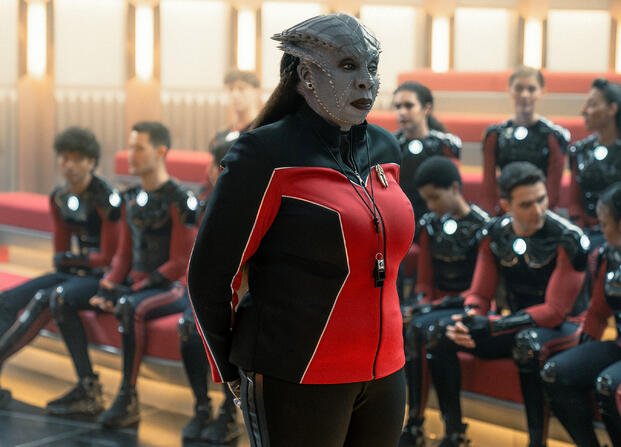
The exchange began when Stephen Miller, who serves as President Donald Trump’s deputy chief of staff for policy and homeland security adviser, reposted a clip originally shared by the X account End Wokeness. The clip featured footage from Star Trek: Starfleet Academy, which follows young cadets as they train to become Starfleet officers while navigating rivalries, friendships, and a looming threat to the Federation.
The reposted clip included the caption:
“Star Trek 2026 … Beyond parody …,” a sentiment Miller appeared to endorse.
Miller did not explicitly spell out his objections to the series. Still, many social media users interpreted the comment as part of a broader backlash against modern Star Trek projects. Critics often accuse the series of prioritizing diversity, representation, or social commentary over storytelling. Similar critiques have been leveled at the recent Star Trek series by commentators across the political spectrum.
“Tragic,” Miller wrote. “But it’s not too late for @paramountplus to save the franchise. Step 1: Reconcile with @WilliamShatner and give him total creative control.”
The post gained traction quickly, drawing millions of views and reigniting a familiar debate: who “owns” Star Trek, and whether its modern iterations still reflect the values that made the franchise iconic in the first place.
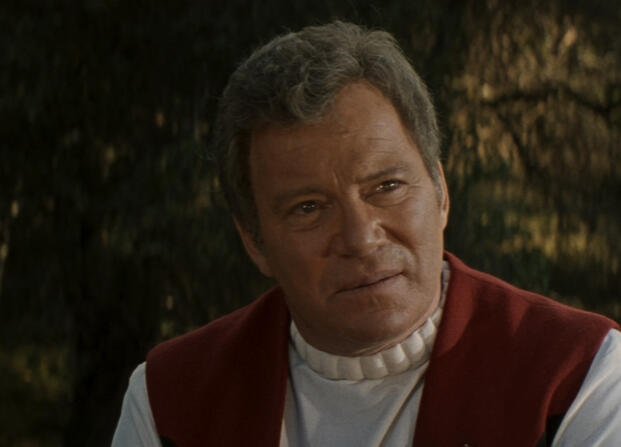
Source: Paramount Pictures Photo Credit: Paramount Pictures
William Shatner’s Response Turns the Moment on Its Head
William Shatner, the original Captain James T. Kirk and the oldest person to go to space, responded several days later in a way that surprised both supporters and critics.
Rather than addressing Miller’s political subtext, Shatner focused on a much narrower, tongue-in-cheek complaint. Referencing actress Holly Hunter’s character wearing glasses in the Starfleet Academy clip, Shatner joked about the plausibility of vision correction in the 32nd century. He responded with his own post, which you can read below.
“I am so on the same page with you @StephenM!” Shatner wrote. “The fact that they have not cured Hyperopia by the 32rd Century is an abysmal oversight on the writers!”
Shatner closed by mockingly accepting Miller’s proposal.
“That is what you meant, right?” he added. “I am ready to assume command of the series! Call me!”
The response quickly went viral, earning millions of views and praise from fans who saw it as a masterclass in deflection. Rather than escalating a political dispute, Shatner reframed the conversation around world-building, humor, and institutional logic, something longtime Star Trek fans have long appreciated.
Notably, Shatner has “not political” listed in his X bio and has historically avoided sustained engagement in partisan debates, even when his comments brush against cultural fault lines.
How Fans and Critics Are Reacting Online
As with most viral Star Trek moments, reactions fractured almost immediately. Fans, critics, and political observers all read the exchange differently, projecting their own expectations onto both Miller and Shatner.
Some embraced Miller’s call to bring Shatner back into the fold.
- “Imagine having the OG goat of Star Trek alive and not use him in the show!!!!” wrote one user.
- “@paramountplus put Shatner back in charge. Enough,” another demanded.
- “Help us, William Shatner. You are our only hope!” one fan joked, echoing Star Wars rather than Star Trek.
Others focused on the science-fiction logic of the glasses debate itself.
- “Did the Burn take out all the Retinax?” one commenter quipped, referencing established Star Trek lore.
- “Her species is very old. Her wearing glasses makes sense,” another countered, adding, “Just let the franchise evolve. We love you Shatner. TOS will always be canon.”
Some fans pushed back on Miller’s framing altogether, arguing that his post was less about Shatner and more about attacking modern casting choices.
- “Miller is not saying any of that,” one user wrote. “He’s suggesting all of the people in that show are DEI hires.”
- Others went further, urging Shatner to disengage entirely from Miller, citing the adviser’s political record and rhetoric.
Still, a subset of longtime fans criticized Shatner himself, accusing him of selective nostalgia or opportunism.
- “When did you have a change of heart, Mr. Shatner?” one commenter asked, referencing past remarks where Shatner appeared dismissive of fandom culture.
In many ways, the reaction mirrored the franchise’s broader place in American culture. Star Trek remains a shared reference point, but not a shared consensus. For some, it represents optimism and institutional integrity. For others, it has become a proxy battleground for debates about politics, identity, and authority.
What Decades of ‘Star Trek’ Controversies Have in Common
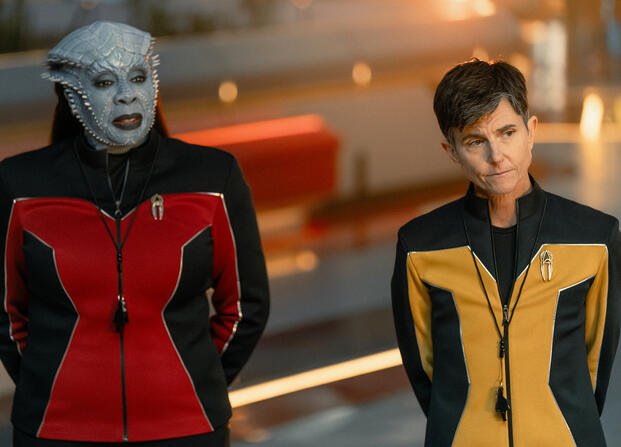
Created by Starfleet Academy showrunner Gaia Violo, the series has already been renewed for a second season, and early reviews have been mixed but cautious. The Hollywood Reporter called it “admirable in its ambitions but shaky in its execution,” praising its charm while noting its uneven storytelling.
Yet the show itself has almost become secondary to the larger conversation it sparked. As with many cultural flashpoints today, Star Trek is being asked to carry far more symbolic weight than any single series can reasonably hold.
Shatner’s response, intentionally or not, served as a reminder of something military audiences understand well: not every challenge is best met head-on. Sometimes leadership looks less like confrontation and more like steady humor, institutional perspective, and knowing when not to escalate.
Whatever the online noise, Star Trek: Starfleet Academy is officially underway. The series premiered on January 15 with its first two episodes, with new installments arriving weekly on Paramount+. Early response has been split: critics have given the show an 87% average Tomatometer score on Rotten Tomatoes, while audience reactions trail at 43% on the Popcornmeter.
Centered on a new class of cadets chasing Starfleet’s ideals amid rivalries, relationships, and a growing threat to the Federation, Starfleet Academy is still in the early stages of defining itself.
Read the full article here
17 Comments
Stephen Miller’s suggestion that William Shatner should have total creative control over Star Trek is surprising, given the franchise’s history of exploring diverse perspectives and social commentary.
I’m curious to know more about the context behind Stephen Miller’s repost of the Star Trek: Starfleet Academy clip, and what he hoped to achieve by sharing it with his followers.
The Star Trek: Starfleet Academy clip that sparked the exchange between Stephen Miller and William Shatner features a looming threat to the Federation, which is a classic trope in the franchise.
I’m supportive of the diverse representation in the new Star Trek series, and I believe that it’s a step in the right direction for the franchise, which has always sought to promote inclusivity and social commentary.
The fact that William Shatner’s response went viral and garnered millions of views suggests that the Star Trek franchise remains a cultural touchstone, and that its fans are eager to engage with its values and themes.
Stephen Miller’s criticism of the new Star Trek series as ‘beyond parody’ suggests that he is out of touch with the evolving values and themes of the franchise, which has always sought to push boundaries and challenge social norms.
The debate over the Star Trek franchise’s values and ownership is a complex one, and it’s interesting to consider how different audiences interpret the series and its themes.
As a long-time fan of the Star Trek franchise, I’m disappointed by the politicization of the series and the attempts to co-opt its values for partisan purposes.
The fact that the clip from Star Trek: Starfleet Academy featured Holly Hunter’s character wearing glasses in the 32nd century sparked a humorous response from William Shatner, who joked about the lack of vision correction in the future.
The exchange between Stephen Miller and William Shatner highlights the ongoing debate about who ‘owns’ the Star Trek franchise and its values, with some critics arguing that modern iterations prioritize diversity and representation over storytelling.
William Shatner’s response to Stephen Miller’s post was a clever way to deflect the political subtext and focus on a more lighthearted aspect of the Star Trek franchise, such as the plausibility of vision correction in the 32nd century.
I’m concerned that the politicization of the Star Trek franchise will ultimately harm its ability to promote positive values and social commentary, and that it will become mired in partisan debates.
The mention of Hyperopia in William Shatner’s response is a clever reference to the medical concept, and it’s interesting to consider how the Star Trek franchise often explores the intersection of technology and human biology.
William Shatner’s experience as the oldest person to go to space adds a unique perspective to the conversation about the Star Trek franchise and its exploration of the intersection of technology and humanity.
I’m skeptical about Stephen Miller’s motives for criticizing the new Star Trek series, especially given his reputation for promoting conservative ideologies and his role as President Donald Trump’s deputy chief of staff for policy and homeland security adviser.
The reference to Paramount+ in the article highlights the changing landscape of media consumption and the role of streaming services in shaping the future of the Star Trek franchise.
This is a great point, and it’s interesting to consider how the rise of streaming services has impacted the way we engage with science fiction franchises like Star Trek.