


Listen to the article
For all the advancements in weapons technology over the last 100 years, the bolt-action rifle has remained remarkably constant. The design is durable and accurate, and much to the chagrin of gunmakers looking to make a splash, tough to improve upon: the same up-out-in-down motion British Tommies used in World War I is mimicked by American snipers, SWAT operators, and hunters in 2026.
Of course, that’s not to say we haven’t seen any improvements over the last century. Bolt guns today are smoother and more accurate than their predecessors, and modern manufacturing has lowered the costs of achieving that quality. If you don’t believe me, look no further than the PH3, the latest innovation from Idaho gunmaker, Seekins Precision.
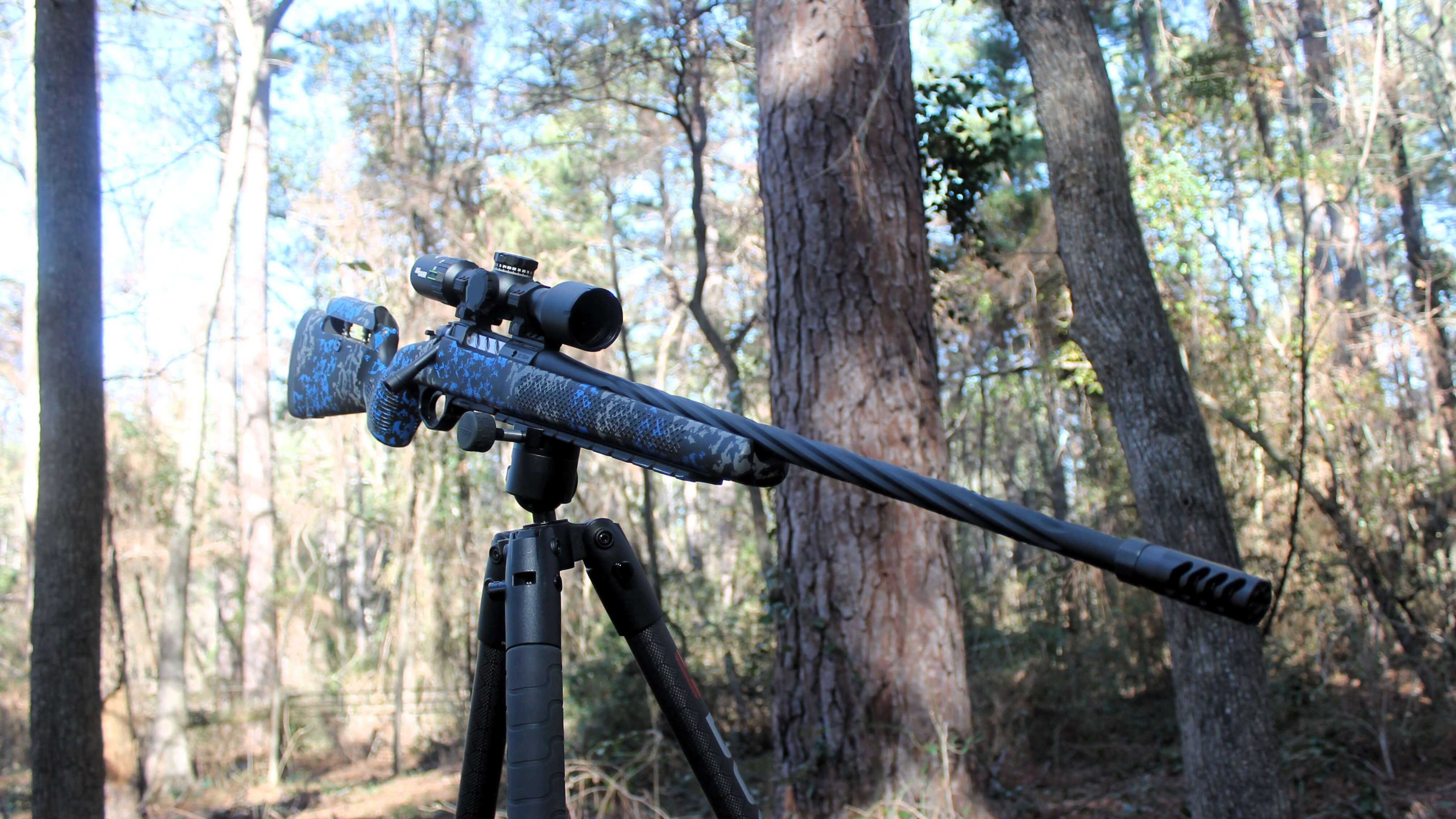
The PH3 is pretty much everything you want in a modern hunting rifle. It combines an innovative new action with all the bells and whistles: a TriggerTech trigger, an adjustable stock, a 20-MOA scope base, a full-length M-LOK rail, a 60-degree bolt throw, a silky smooth action, and Seekins’ quick-change barrel system. It’s tough to think of a feature the PH3 doesn’t have, and its sub-$2000 price point should make it an attractive option for anyone looking at the high-end hunting rifle category.
However, despite that feature set, the PH3 hasn’t enjoyed an enormous amount of attention since it was announced at SHOT Show last year. A quick Google search reveals that few major gun or hunting outlets have published a full hands-on review, and apart from forum posts and SHOT Show coverage, there isn’t a ton of information on the new rifle.
Does the PH3 suffer from a major flaw thwarting its success, or could it be one of the best modern rifles still flying under the radar? That’s the question I aim to answer below.

Options, Features, and Specs
Seekins sent me the “NRL” version of the PH3, a model tailor-made to enter the production category of NRL Hunter competitions. It’s similar to the base model, but it adds a Seekins ATC Muzzle Brake, a TriggerTech Diamond trigger, and a stock with a Glacier Shadow hand-painted pattern.
It’s only available in the following caliber/barrel configurations:
- 6mm Creedmoor / 24” / 1:8 twist
- 6.5mm Creedmoor / 24” / 1:8 twist
- 6.5mm PRC / 24” / 1:8 twist
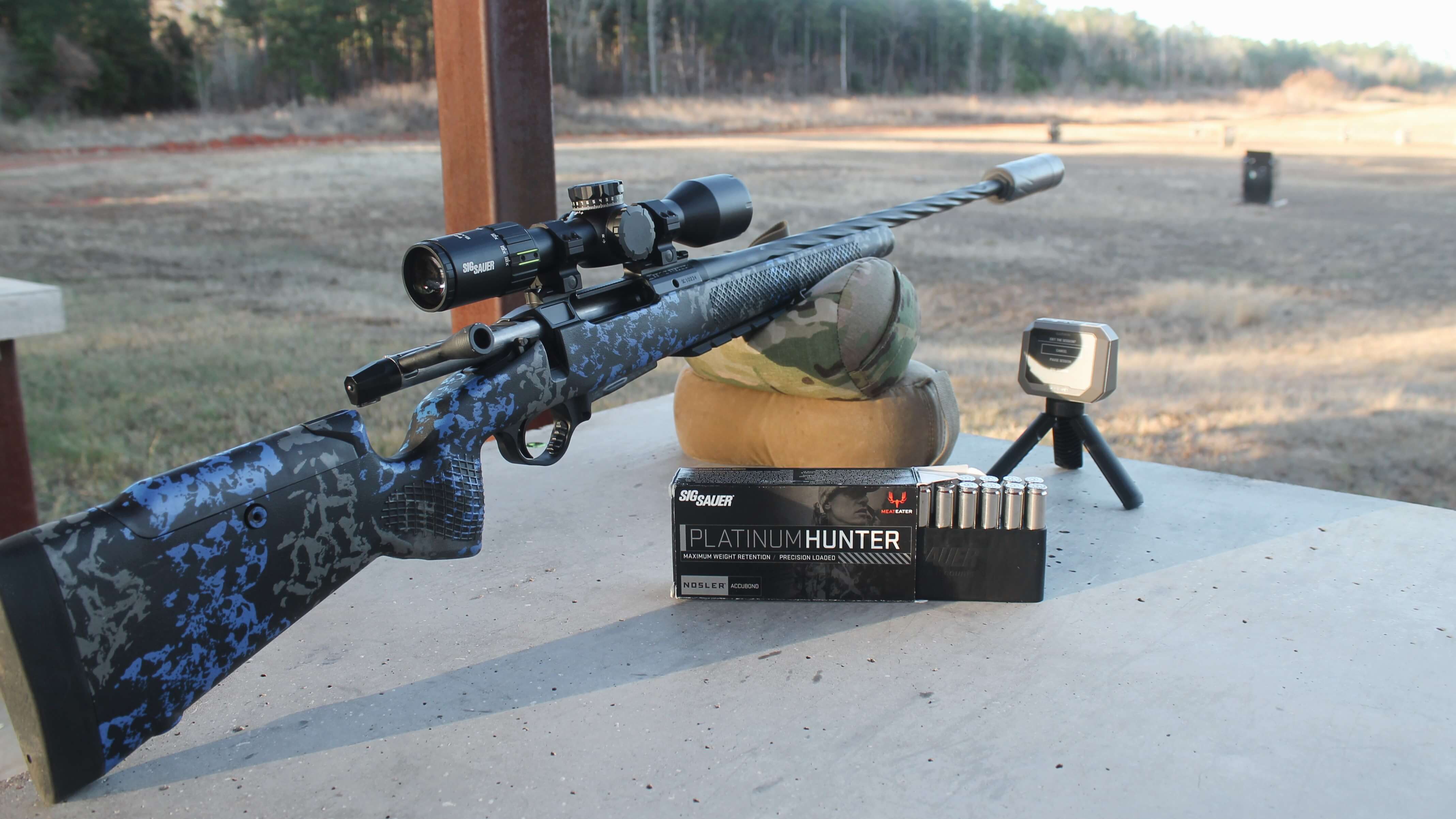
I prefer a shorter barrel to compensate for a suppressor, but I can see why a rifle designed for NRL would be set up to squeeze as much velocity as possible from those three calibers.
However, the base PH3 model (image below from Seekins’ website) is available in far more configurations. Here’s the full list:
Short Action: Barrel length 16”
- .277 FURY / 1:8 twist
- .308 Win / 1:11.25 twist
Short Action: Barrel length 20”
- 6mm Creedmoor / 1:8 twist
- 6.5mm Creedmoor / 1:8 twist
- 6.5 PRC / 1:8 twist
- .277 FURY / 1:8 twist
- .308 Win / 1:11.25 twist
Short Action: Barrel length 24”
- 6mm Creedmoor / 1:8 twist
- 6.5mm Creedmoor / 1:8 twist
- 6.5 PRC / 1:8 twist
Long Action: Barrel length 22”
- 7mm Rem Mag / 1:8 twist
- 7 PRC / 1:8 twist
- 7mm Backcountry / 1:8 twist
- 300 Win Mag / 1:10 twist
- 300 PRC / 1:10 twist
Long Action: Barrel length 26”
- 7mm Rem Mag / 1:8 twist
- 7 PRC / 1:8 twist
- 300 Win Mag / 1:10 twist
- 300 PRC / 1:10 twist
This cartridge selection is more limited than you’ll see at Ruger or Savage, but I think it still offers something for everyone. Old-school aficionados will be happy to see .300 Win. Mag. and .308 Win. while new-school lovers have their PRCs and Creedmoors. Plus, the various barrel lengths allow you to match your suppressor or muzzle brake with whatever bullet velocity you’re hoping to achieve.

Base PH3 models ship with the following features:
- PH3 Action, interchangeable with the Seekins M3 Chassis and Stocks
- Seekins Mini Chassis
- 3 lug toolless removable bolt (Magnum or Standard)
- Seekins Quick Change Barrel System
- Open-source head space and tenon specifications
- 60-degree bolt throw
- Integrated 20 MOA Picatinny rail
- Integrated full-length MLok rail
- Adjustable cheek riser (comb)
- Barrel: 416R Stainless Steel
- Trigger: Trigger Tech, user adjustable 2.5-5lbs
- Stock: Seekins PH3 carbon composite
- 3 Seekins Shadow series paint options
- Extended cartridge overall length (COAL) allowing up to 3.14 in 6.5 PRC and 3.9 in 300 PRC and 300 Win Mag
- Threaded Muzzle: 5/8×24
All those bells and whistles come with a cost, of course. For the base model, the MSRP is $1,895.00. For the NRL model, that jumps to $2,295.00. That might be more than most hunters hope to spend on a rifle, but if you compare the PH3 with other rifles in its category, it’s not unreasonable.
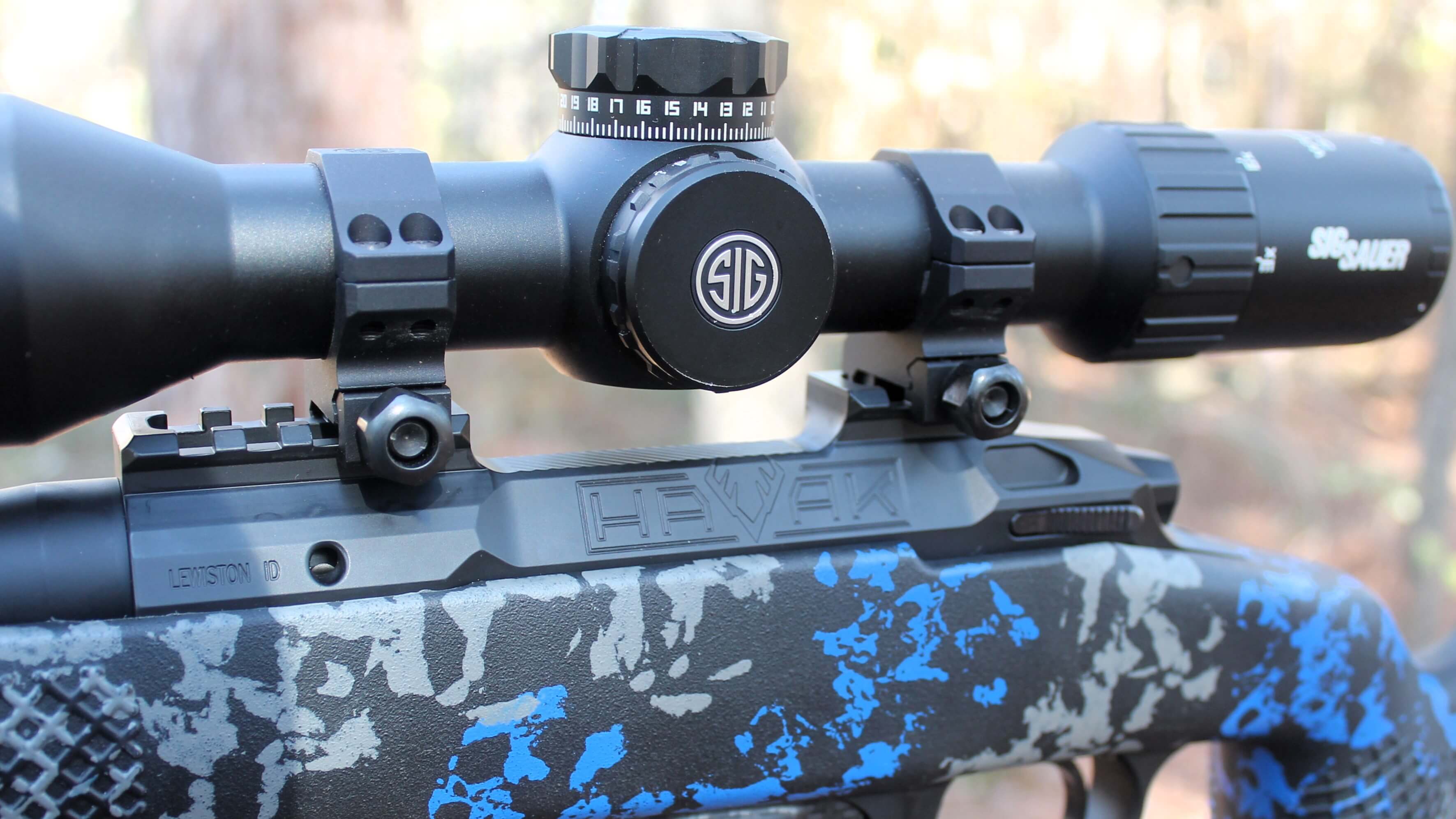
The Heart of the PH3
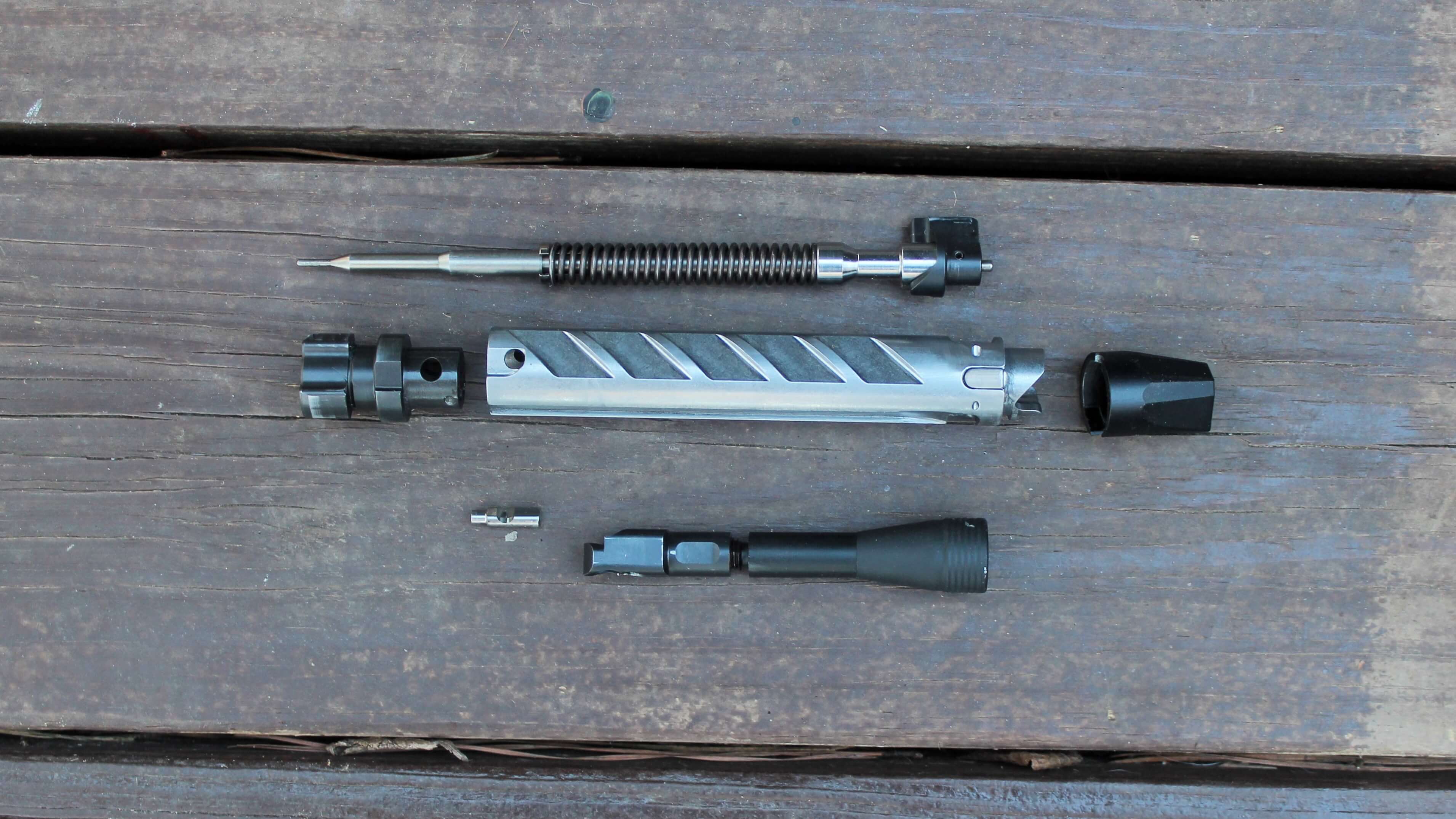
As with any bolt gun, the heart of the PH3 is its action. The bolt features a new three-lug design that incorporates an extractor within one of the lugs. The extractor doesn’t grab the rim of the cartridge until the push-feed action closes, but once a round is fired and the bolt is pulled to the rear, the dual-plunger ejector flings the spent cases to the side.
I can’t speak to the long-term durability of this design, but I’ve had zero issues during my trips to the range. The bolt smoothly strips cartridges from the carbon fiber magazine, and spent cases are extracted and ejected without any sticking or stuttering.
In fact, the PH3’s action is among the smoothest I’ve tested. The 60-degree throw helps, but locking and unlocking the action requires noticeably less force than other bolt guns I’ve owned. It feels more like a bolt that’s been broken in with thousands of rounds rather than something just pulled out of the box. The bolt body slides back and forth through the receiver with very little friction or wobble, which makes follow-up shots marginally faster. Plus, the bolt handle is removable, so if you don’t like the size or angle, you can replace it with an aftermarket option that uses the same thread pattern.
The safety keeps the trigger from being pulled, but it doesn’t lock the bolt handle in place. Some prefer this functionality because it allows the rifle to be unloaded with the safety “on.” However, since the bolt handle is so easy to raise and lower, it might accidentally work its way open if the rifle is carried with a sling or strapped to a backpack. That potentiality can be mitigated, but it’s something to keep in mind.
Swap-able Barrel
The action is smooth, but so are many older rifles. What really brings the PH3 into the 21st century is its quick-change barrel system.
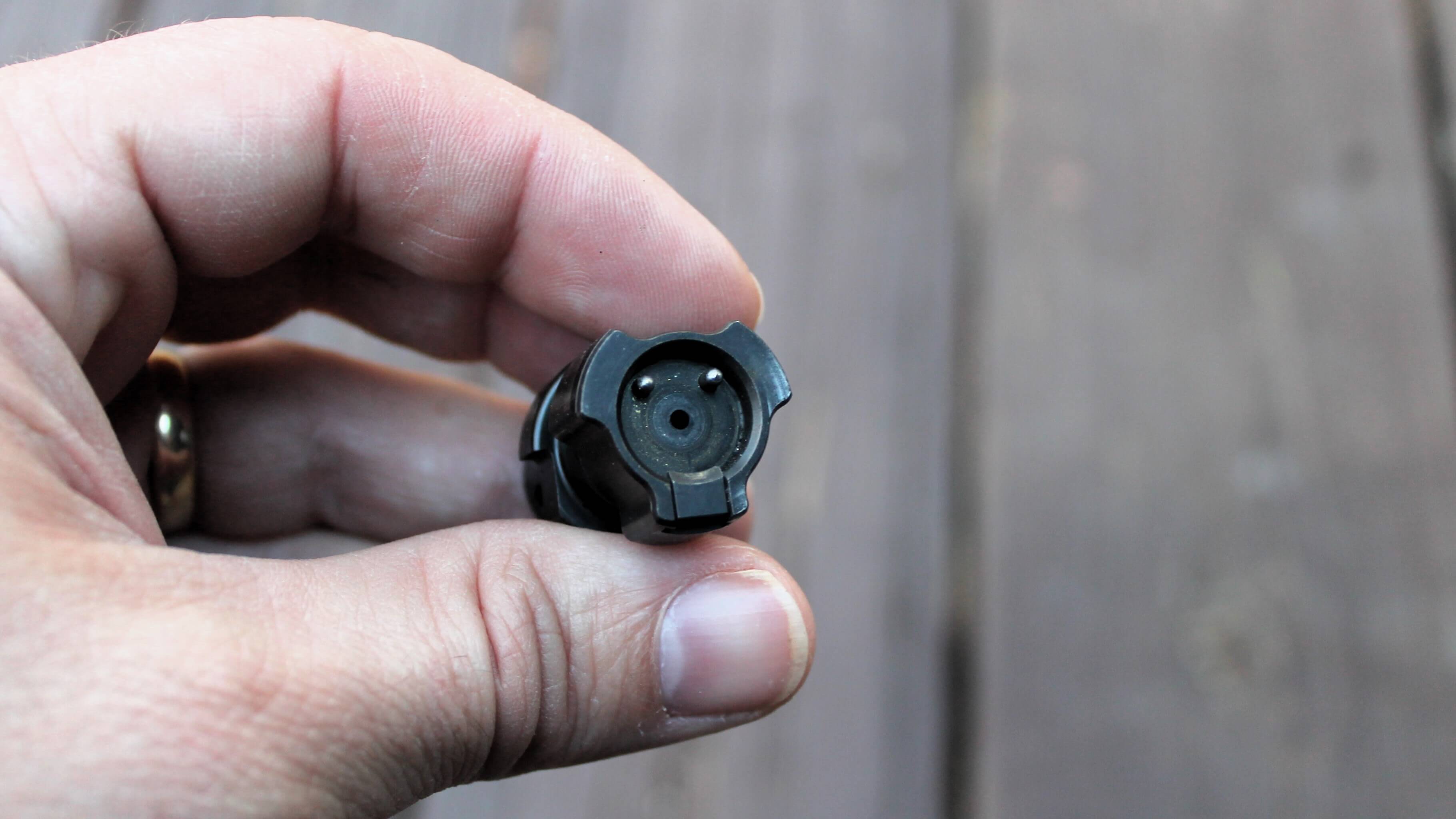
That starts with the bolt head. Unless you’re switching to a cartridge that uses the same bolt face as your previous one, you’re going to need to change the head. The PH3 simplifies that process by allowing users to remove the bolt head without tools. As you can see in this video, disassembling the bolt requires a few simple pushes and twists, and then the firing pin can be used to slide out the pin holding the bolt head in place. Seekins offers four bolt face sizes for $99 each, and the bolt carrier is easy to reassemble.
Once you have the correct bolt face, you’re ready to install the new barrel. A Seekins rep told me they hope to offer their own HAVAK PH3 barrels sometime this year, but as of this writing, you’ll have to commission your own from a different gunsmith. The good news is that Seekins published all the information needed to spin up an aftermarket barrel, and it’s free right here. If you want a new barrel for your HAVAK PH3, just send that document to the barrel maker, and they’ll know what to do.
Installing that new barrel is remarkably easy. Seekins’ quick-change barrel system has been around for a few years, but this was my first time getting my hands on it. Here’s how it works:
- Remove the bolt from the action
- Remove the action from the stock
- Loosen the barrel clamp screw (T-25)
- Remove the barrel from the action. It should be just hand-tight (about 10 ft.-lbs.), but if you’re removing it for the first time, it might take some convincing. Seekins recommends wrapping the barrel with some kind of padding and securing it in a vice. That should give you the leverage you need to unscrew the receiver. I have a barrel vice, so I just used that to secure the barrel and removed the receiver with a pair of vice grips and an old leather glove.
- Clean the face of the action the barrel shoulder face
- Apply a teardrop-size drop of grease to 3rd thread in the receiver
- Thread on new barrel and torque to 10 foot-pounds. Unless you have an action wrench, you won’t actually be able to use a torque wrench for this step. But Seekins told me that just getting the barrel hand-tight is sufficient.
- Tighten barrel clamp screw to 30 inch-pounds
- Reassemble rifle (action screws are 55 inch-pounds)
That’s it. I completed each step, reinstalling the same barrel that came with the rifle. Other than needing a vice to remove the barrel, I didn’t experience any issues.
It’s a pretty ingenious system. The barrel is safely secured to the receiver because the barrel clamp is threaded to interface with the threads on the barrel extension. The clamp only needs to be tightened to 30 inch-pounds (about as tight as scope rings to a picatinny rail) to keep the barrel from moving and harming accuracy. Color me impressed.
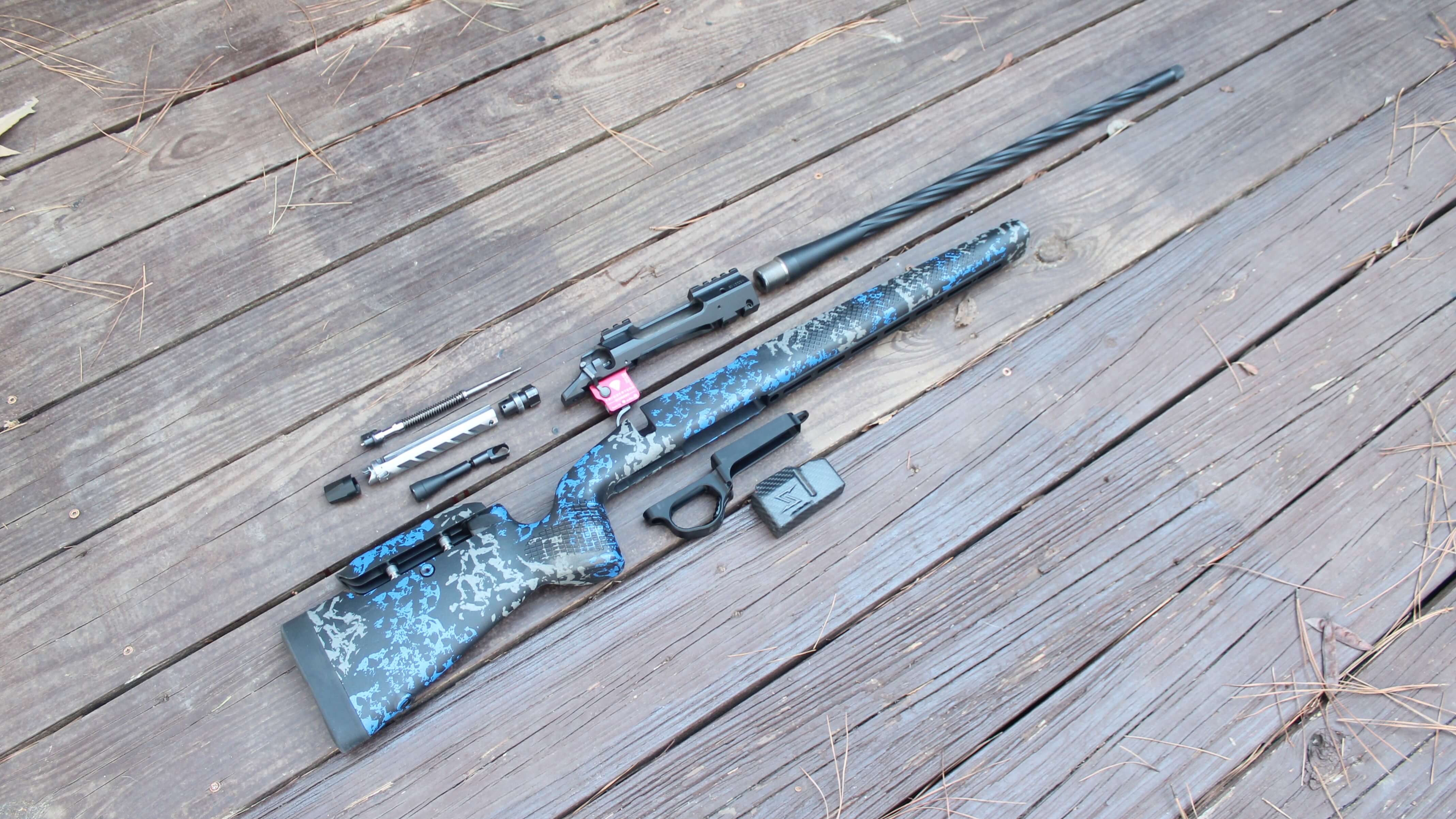
Of course, just because a system works doesn’t mean it’s useful. A hunter who only shoots his rifle a few times a year might never need a new barrel, and most of us just buy a new rifle if we want a new caliber. Seekins’ system is quick and convenient, but it’s not quicker or more convenient than picking a different rifle out of the safe. Plus, a good-quality aftermarket barrel will run you at least $500, which isn’t that much less than what you’d spend on a mid-tier rifle.
It might seem like I’m throwing cold water on the PH3, but I’m really not. If you want to use the PH3 for competitive shooting, being able to swap out barrels without special tools or equipment is an incredible asset. It lets you replace a worn-out barrel or even change calibers if you decide what you have isn’t working. Even for hunters, the quick-change system can be useful. If you’re traveling for an out-of-state hunt, and you hope to target elk and prairie dogs, the PH3 lets you take a single action with two barrels. That’s much easier to pack than two separate rifles, which leaves room for extra gear or lets you use a smaller rifle case.
The Seekins quick-change barrel system might not appeal to everyone, but I think it definitely has its applications. What’s more, at the end of the day, I think this rifle is priced competitively even without that 21st-century feature.
A “Mini-Chassis”
Speaking of 21st-century features, the PH3 stock deserves a closer look. Its primary (though not only) distinguishing feature is what Seekins calls a “mini-chassis.” There are three metal components to this chassis: the bedding area, the M-LOK slots, and the bottom metal (trigger guard/magazine well). These components can be separated from each other, but when the rifle is fully assembled, they’re mated together with the front action screw.
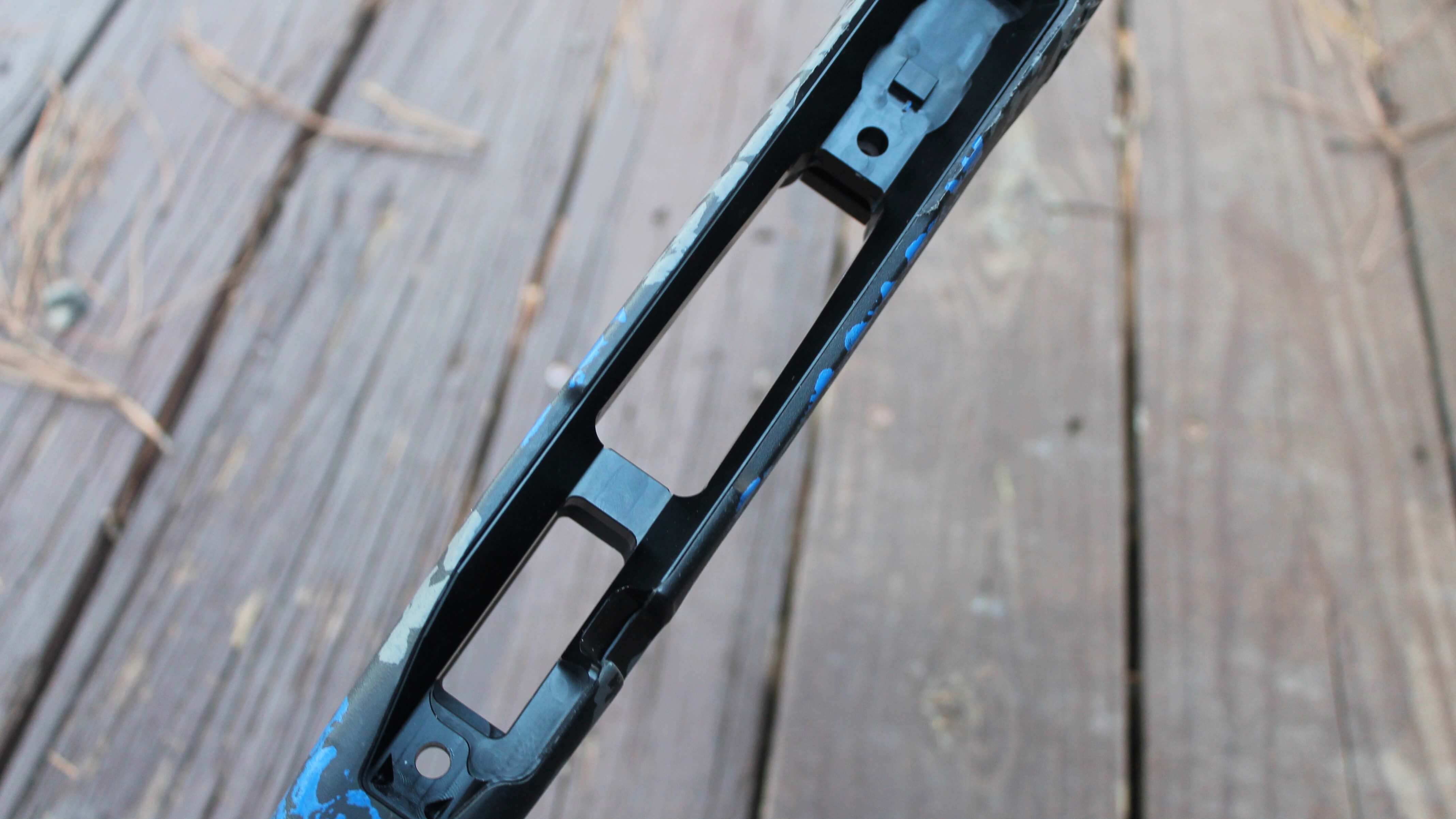
The aluminum bedding area allows the receiver to be torqued to the chassis/stock with 55 ft-lbs. of force, which reduces movement and promotes accuracy. Aluminum also doesn’t warp or shift like wood or polymer, so the receiver maintains the exact same position relative to the chassis after every shot. This minimizes point of impact shift and increases consistency even during a long day at the range. Most hunters and sport shooters understand the benefits of a chassis, but Seekins’ “mini-chassis” design offers those benefits without adding too much weight and maintaining the traditional look and feel of a hunting rifle.
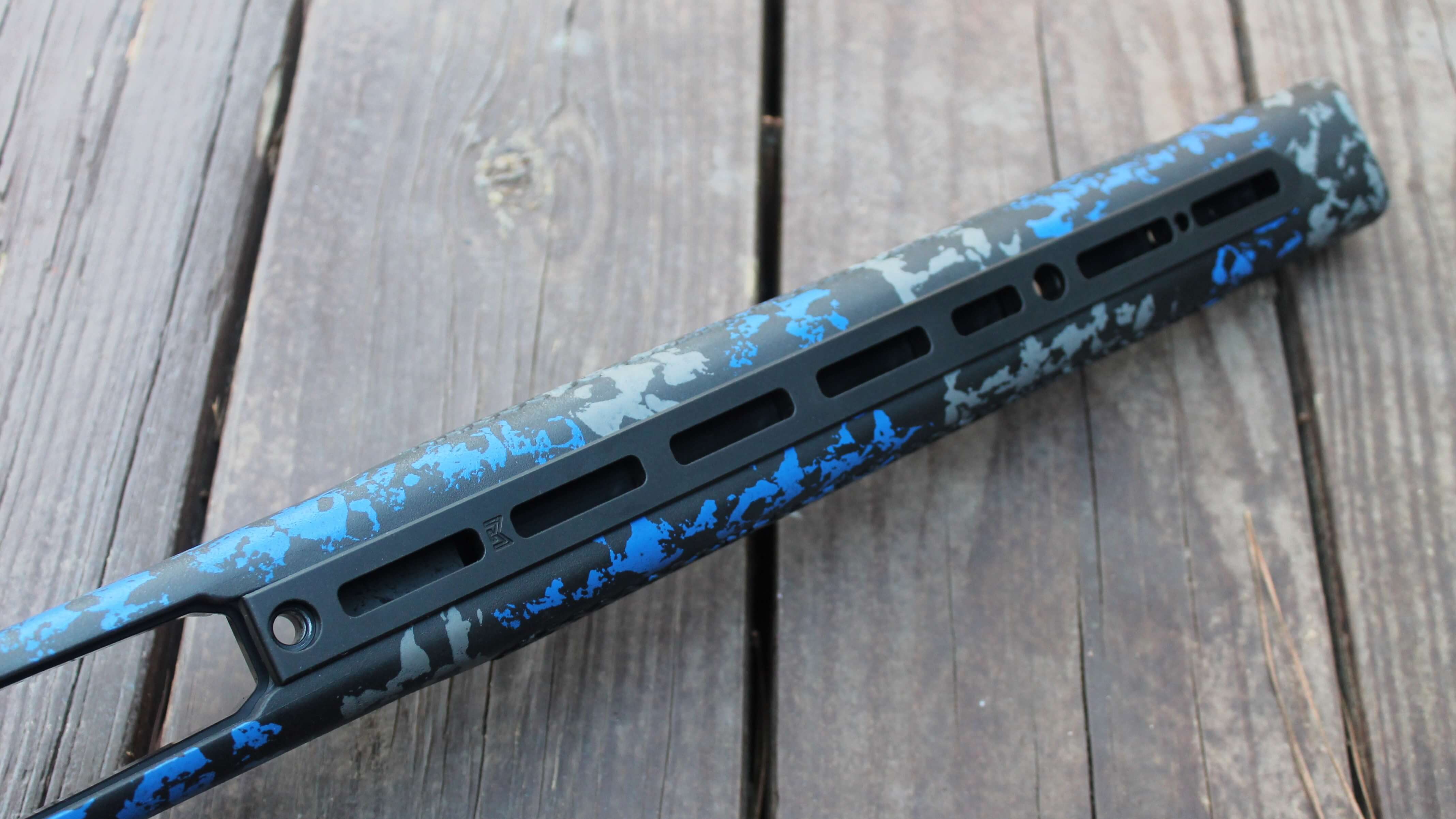
The metal M-LOK rail allows users to install a variety of metal M-LOK accessories, including the full-length ARCA rail you see on the rifle I tested (sold separately). Torquing metal on metal allows these accessories to be held in place more securely, which is especially useful for bipods and tripids.
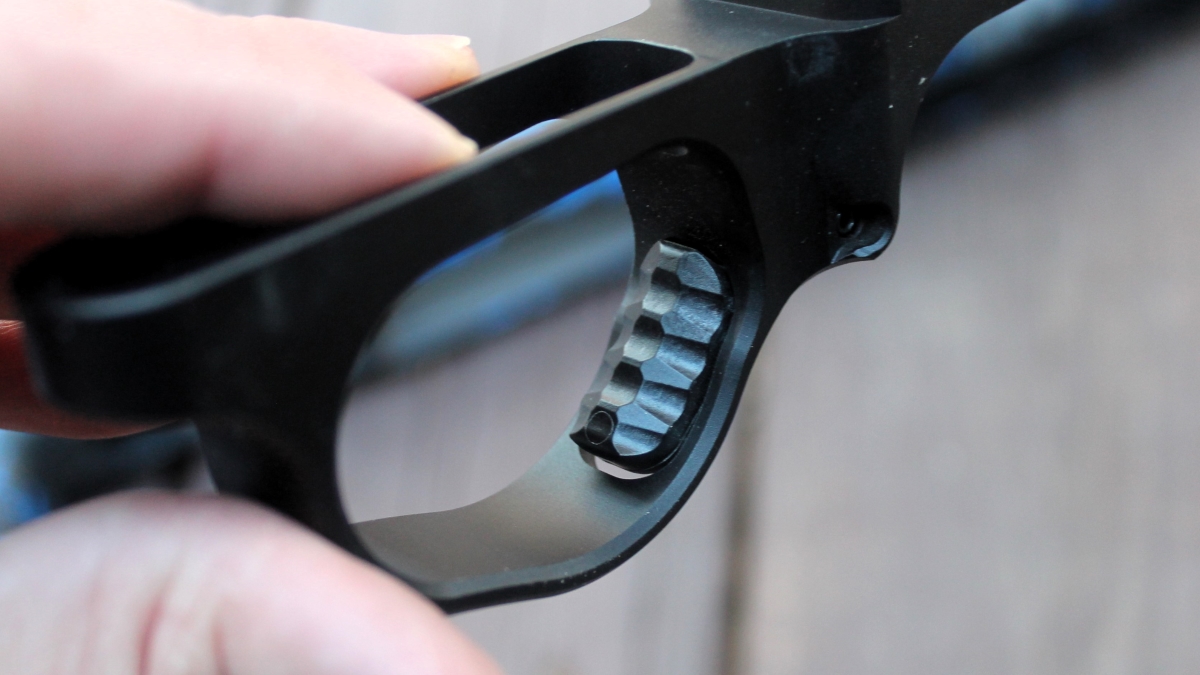
The bottom metal features what I think is one of the best magazine releases I’ve used. It’s incorporated into the trigger guard, so it doesn’t stick out and get snagged on anything. But it’s also larger and more textured than similar releases I’ve used on other rifles. That makes it easy to manipulate even with gloves on, which, believe it or not, I’ve actually been needing to use over the last few weeks here in East Texas.
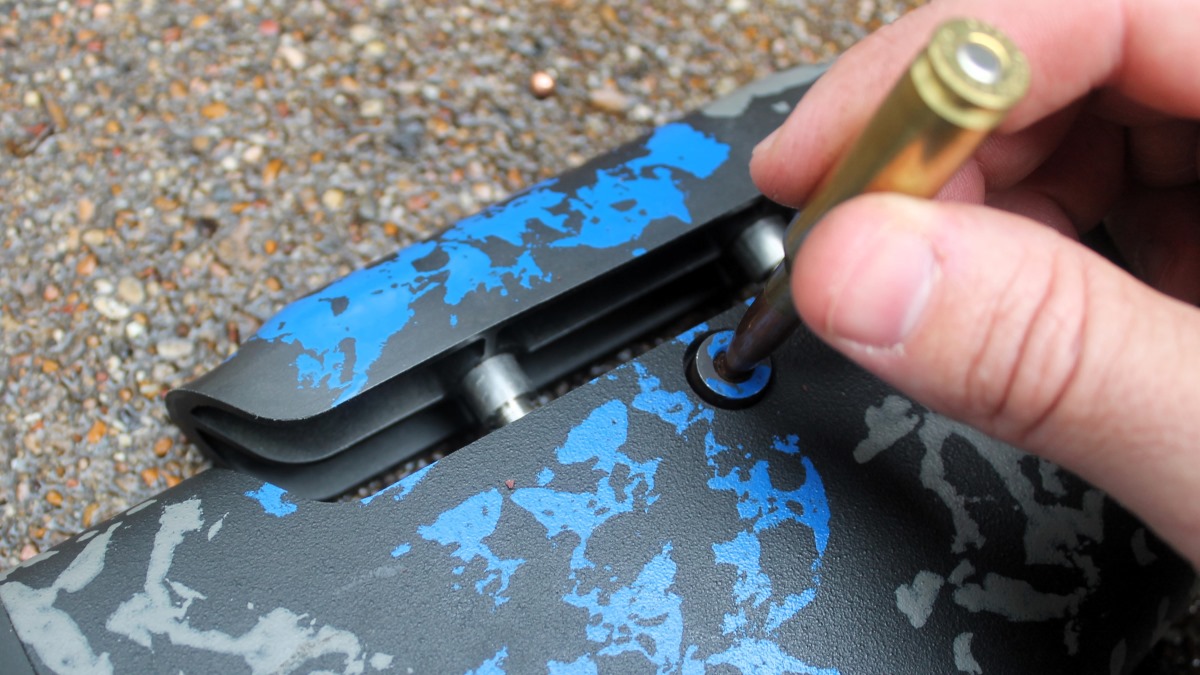
Moving to the rear of the stock, the comb height can be adjusted using a small, springloaded button. The button protrudes ever so slightly from the side of the rifle, but it’s not conspicuous. However, unlike what may look intuitive, you can’t depress the button all the way by simply pushing it with your finger. Instead, the mechanism can only be adjusted using a small tool or bullet tip pressed into the middle of the button. This ensures that the button isn’t accidentally bumped while giving a hunter a way to adjust the comb in the field.
Despite these benefits, I would say the quest for the perfect stock adjustment system is still ongoing. The comb won’t move from any of the five adjustment heights, so if you don’t plan to fiddle with it in the field, it’ll work just fine. But the button is more difficult to depress than you’re thinking, and the process will mar a bullet tip if that’s what you decide to use. You can also use a pencil, small screwdriver, or similarly sized item, but then you have to remember to bring it. There are always tradeoffs in life, and this is one of them.
So How’s It Shoot?
I figured the PH3 would be pleasant to shoot, especially with a MeatEater Banish suppressor hanging off the end. The TriggerTech Diamond trigger is, in my opinion, the best aftermarket trigger money can buy, and the soft-recoiling 6.5 Creedmoor cartridges are perfect for a long day at the range.
I wasn’t disappointed. The HAVAK PH3 is a great-shooting rifle. That smooth action made quick work of the three-round magazines, and I never experienced any malfunctions or failures. (Note: The NRL version of the PH3 normally ships with a five-round magazine.)
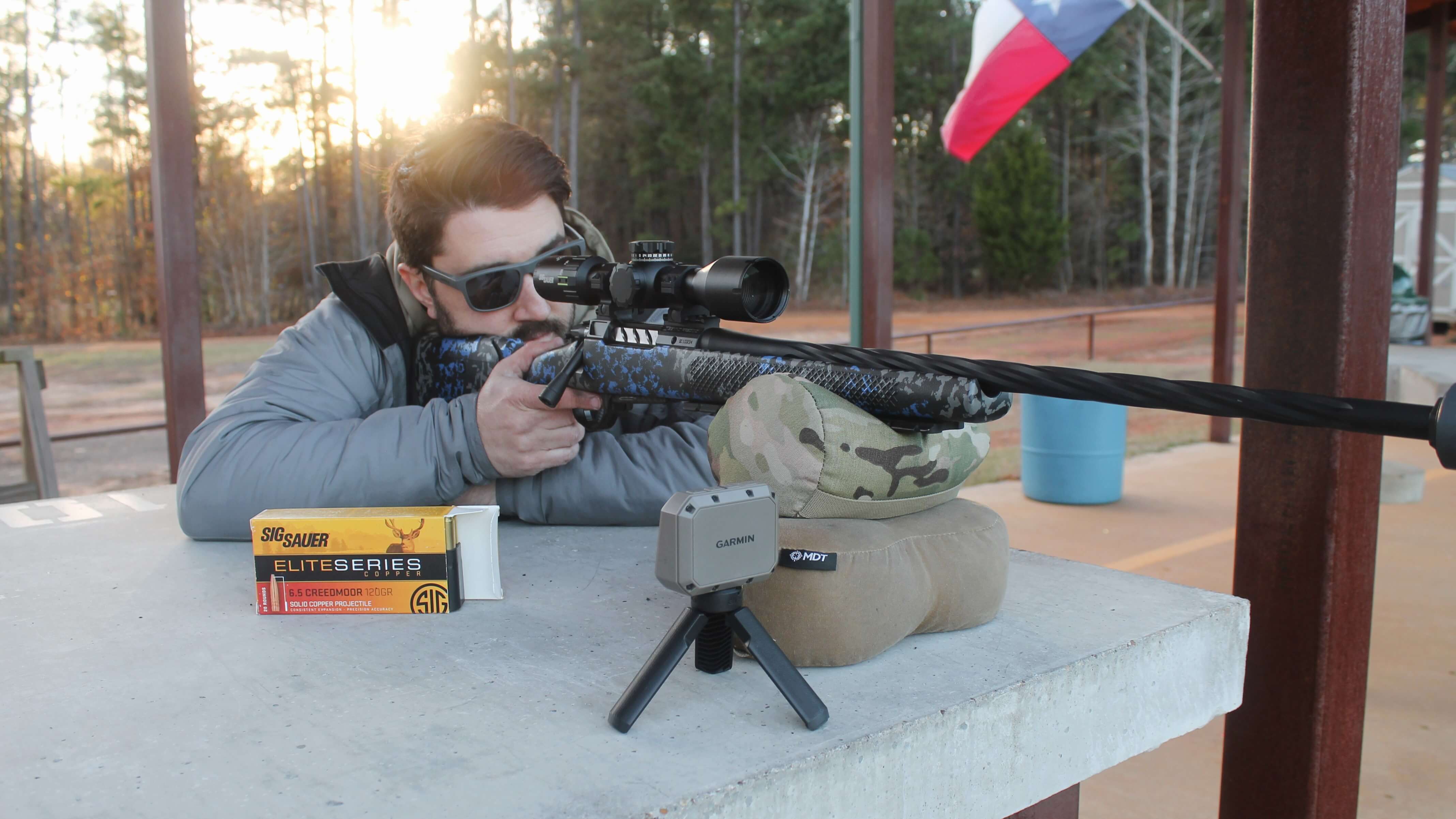
My one gripe with the configuration of this particular model is the overall weight and the length of the barrel. At just a hair over eight pounds (no scope, unloaded), it’s a little on the heavy side for offhand shots, and it wouldn’t be my first choice to carry up and down a mountain for a week. With a six-inch suppressor on the end, the effective length of the barrel increases to 30 inches, which I know from experience is cumbersome in a tree stand.
Of course, that’s a pretty minor complaint in the grand scheme of things, and the base model PH3 is available in a wide array of barrel lengths and corresponding overall weights.
| Action/Barrel Length | Weight |
| PH3 Short Action 16” | 7.3lbs |
| PH3 SA 20” | 7.5lbs |
| PH3 SA 24” | 7.8lbs |
| PH3 Long Action 22” | 7.8lbs |
| PH3 LA 26” | 8.2lbs |
Can you find lighter rifles? Sure. But can you find lighter rifles with the same features at the same price? Maybe, but that list is much, much shorter.
The PH3 is a well-built, durable rifle, and the Seekins Lifetime Warranty means that if something breaks, they’ll replace it. But, as everyone knows, the real test of any rifle is its accuracy.
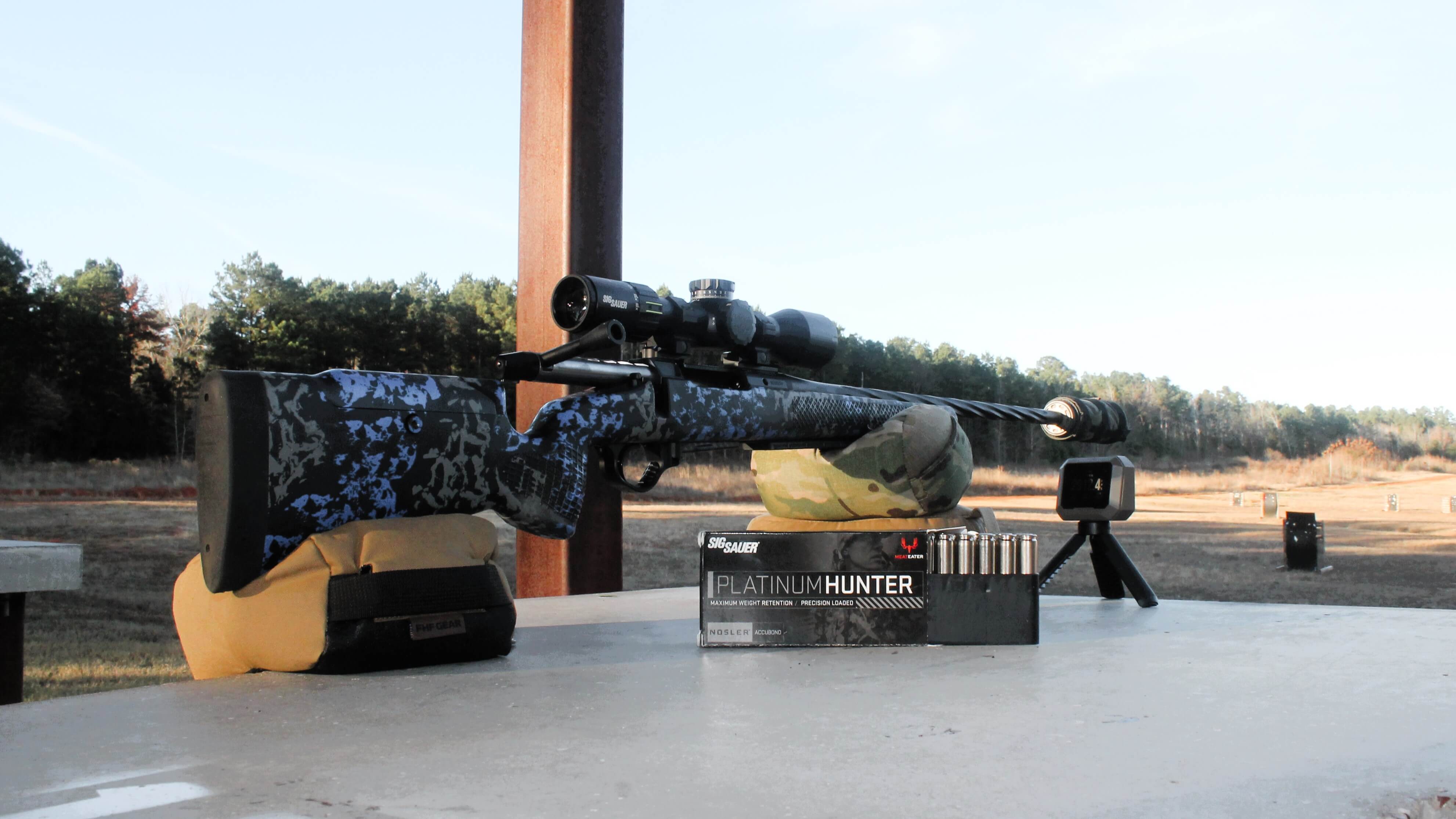
As with all hunting rifles we test, I shot five, three-shot groups from 100 yards with each type of ammo and recorded the average group size and the smallest group. Bullet velocities were recorded with a Garmin Xero C1, and those averages and standard deviations were noted as well.
| 140g Open Tip Match | 140g Nosler BT | 130g Sierra GameKing | 120g Copper | |
| Average | 0.75 | 1.1 | .95 | 1.2 |
| Small Group | 0.4 | .94 | .75 | 1 |
| Average Velocity | 2644 | 2645 | 2657 | 2897 |
| Standard Deviation | 8.9 | 11 | 14.1 | 14.6 |
These results are more common among high-end hunting rifles than you might think, but they obviously didn’t blow me away. Each type of ammo except the monolithic copper achieved at least one sub-MOA group, and the match and GameKing options averaged less than one inch.
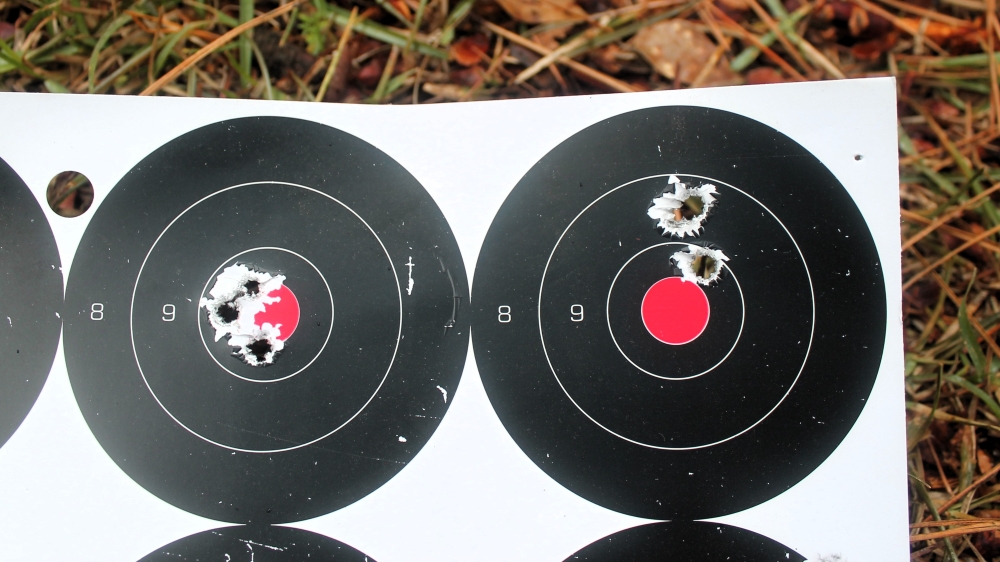
But I would have liked to see better results from the three hunting bullets. Perhaps another kind of ammunition would have produced groups more consistently in the .75-inch range, but with these three, this rifle struggled to hit that mark. If I was a Seekins customer, I might consider taking advantage of what Seekins calls its “Beyond MOA Guarantee.” The company doesn’t guarantee that their rifles shoot groups of any particular size. Instead, they say, their priority is “your satisfaction.”
“We refuse to lump our customers into a singular category guaranteeing them 1/2 MOA at 100 yards,” they say on their website. “The way we look at it, you can’t put a price on accuracy. We recognize and have considered that each of our customer’s demands are unique, and therefore refuse to send a cookie-cutter guarantee out with each new rifle. So long as it’s a Seekins rifle, unrivaled innovation and out of the box precision is our assurance.”
If for any reason you’re unsatisfied with a rifle’s performance, they’ll pay to ship it back. They take a look, field test it, and repair or replace it if something is broken.
I’ve been critical of accuracy guarantees because almost any rifle can shoot one sub-MOA group given enough attempts. I like this approach from Seekins, as long as they follow through. Working through accuracy issues with customers can be frustrating and time-consuming, but if they’re willing to do that, I say more power to them.
Last Shot
Here’s what I like about the PH3: unlike some other gunmakers, Seekins doesn’t slap a $2,000 price tag on a basic bolt-action rifle and ask you to trust that the materials and manufacturing justify the cost. They offer real, innovative features you won’t find anywhere else. From the barrel swap system to the “mini-chassis” to the adjustable stock to the super-smooth action, each feature is thoughtfully designed and useful in the field.
It might not be perfect–some of these features you might not like, and at the end of the day, accuracy is always the most important factor. But many of Seekins’ competitors are more like gun assemblers than actual gunmakers. They buy parts from other companies, fit them together, and charge a profit. The PH3 actually tries to be innovative, and for that I think its designers deserve a lot of credit.
Read the full article here
6 Comments
I’ve been following this closely. Good to see the latest updates.
Solid analysis. Will be watching this space.
Great insights on Hunting. Thanks for sharing!
Good point. Watching closely.
Interesting update on The Seekins HAVAK PH3 Is (Almost) Everything You Want in a Modern Hunting Rifle. Looking forward to seeing how this develops.
This is very helpful information. Appreciate the detailed analysis.