It’s notable that the video does not provide a balanced view, instead opting for a confrontational approach that might alienate viewers who could be open to a more moderate discussion on gun control.
It would be interesting to see how gun owners and non-gun owners react to this video, as their responses could reveal deeper divides or unexpected areas of agreement in the debate.
I’m curious to know more about the context in which this video was made and the intentions of its creators, as understanding these factors could provide insight into the video’s potential impact.
While satire can be an effective tool for social commentary, the question remains as to whether this video will inspire meaningful reflection or merely reinforce existing biases among viewers.
It’s curious that the video uses a satirical approach to criticize gun owners, but doesn’t provide any concrete solutions or alternatives to the current gun control debate.
I’m skeptical about the video’s ability to change minds or contribute to a more nuanced discussion about gun control, given its reliance on satire and mockery.
The video’s strategy of mocking gun owners might not be the most effective way to engage with the issue, as it could alienate potential allies and reinforce entrenched positions.
The use of satire in the video to talk about gun control and nuclear proliferation adds a layer of complexity to the discussion, requiring viewers to think critically about the messages being conveyed.
It’s worth considering how different audiences might interpret the video’s message – whether as a serious commentary on gun control, a critique of foreign policy, or simply as entertainment.
While the video is provocative, it doesn’t seem to offer a clear call to action or proposal for how to move the gun control debate forward in a constructive manner.
I wonder if the creators of the video considered the potential backlash or if they intended to spark a more divisive conversation about gun rights and control.
The video’s approach reminds me of other satirical pieces that use irony to critique societal norms and political views, but the key question is whether this approach resonates with its intended audience.
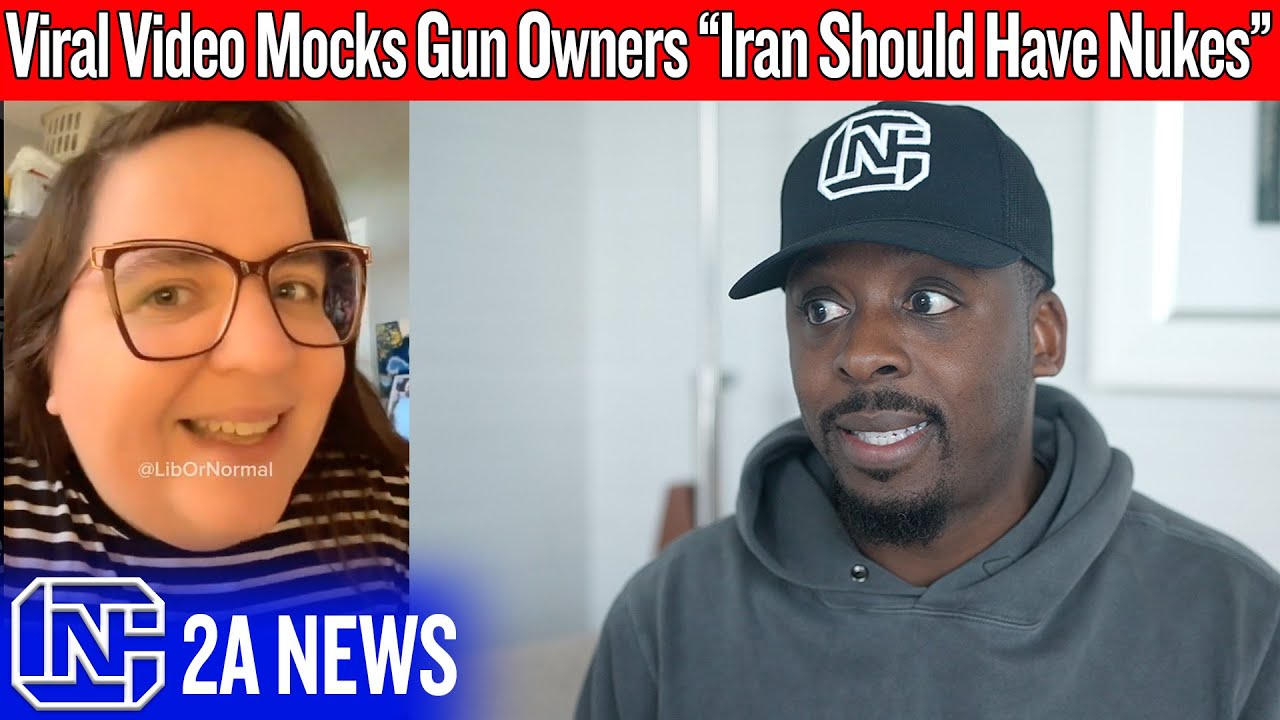
I’m not sure what to make of the video’s message – is it genuinely advocating for Iran to have nukes or just using it as a rhetorical device to challenge gun owners’ views?
What’s striking about the video is how it underscores the complexities of the gun control debate, where different perspectives and values collide in unexpected ways.
By using the example of Iran and nuclear weapons, the video raises important questions about global security and the ethics of weapon proliferation, beyond just the context of US gun control.
The video challenges viewers to consider the global implications of their beliefs on gun control, suggesting that there might be a disconnect between domestic and international perspectives on weapon proliferation.
The video’s claim that Iran should have nukes to mock gun owners is a provocative statement, but does it really address the issue of gun control in a meaningful way?
One potential critique of the video is that it oversimplifies the issues surrounding gun control and nuclear weapons, using them more as rhetorical devices than engaging with the depth of the problems.
The video’s message about Iran and nukes serves as a reminder that the debate over gun control is not isolated from other geopolitical issues and requires a broader understanding of global security dynamics.

21 Comments
It’s notable that the video does not provide a balanced view, instead opting for a confrontational approach that might alienate viewers who could be open to a more moderate discussion on gun control.
It would be interesting to see how gun owners and non-gun owners react to this video, as their responses could reveal deeper divides or unexpected areas of agreement in the debate.
I’m curious to know more about the context in which this video was made and the intentions of its creators, as understanding these factors could provide insight into the video’s potential impact.
While satire can be an effective tool for social commentary, the question remains as to whether this video will inspire meaningful reflection or merely reinforce existing biases among viewers.
It’s curious that the video uses a satirical approach to criticize gun owners, but doesn’t provide any concrete solutions or alternatives to the current gun control debate.
I’m skeptical about the video’s ability to change minds or contribute to a more nuanced discussion about gun control, given its reliance on satire and mockery.
The video’s strategy of mocking gun owners might not be the most effective way to engage with the issue, as it could alienate potential allies and reinforce entrenched positions.
The use of satire in the video to talk about gun control and nuclear proliferation adds a layer of complexity to the discussion, requiring viewers to think critically about the messages being conveyed.
It’s worth considering how different audiences might interpret the video’s message – whether as a serious commentary on gun control, a critique of foreign policy, or simply as entertainment.
While the video is provocative, it doesn’t seem to offer a clear call to action or proposal for how to move the gun control debate forward in a constructive manner.
I wonder if the creators of the video considered the potential backlash or if they intended to spark a more divisive conversation about gun rights and control.
The video’s approach reminds me of other satirical pieces that use irony to critique societal norms and political views, but the key question is whether this approach resonates with its intended audience.
I’m not sure what to make of the video’s message – is it genuinely advocating for Iran to have nukes or just using it as a rhetorical device to challenge gun owners’ views?
I believe it’s the latter, as the video seems to be using hyperbole to make a point about the inconsistency in some gun owners’ arguments.
What’s striking about the video is how it underscores the complexities of the gun control debate, where different perspectives and values collide in unexpected ways.
By using the example of Iran and nuclear weapons, the video raises important questions about global security and the ethics of weapon proliferation, beyond just the context of US gun control.
The video challenges viewers to consider the global implications of their beliefs on gun control, suggesting that there might be a disconnect between domestic and international perspectives on weapon proliferation.
The video’s claim that Iran should have nukes to mock gun owners is a provocative statement, but does it really address the issue of gun control in a meaningful way?
I think the video is trying to highlight the hypocrisy of some gun owners who advocate for strict control while ignoring global nuclear proliferation.
One potential critique of the video is that it oversimplifies the issues surrounding gun control and nuclear weapons, using them more as rhetorical devices than engaging with the depth of the problems.
The video’s message about Iran and nukes serves as a reminder that the debate over gun control is not isolated from other geopolitical issues and requires a broader understanding of global security dynamics.