The exploration of how veterans engage with political figures like Charlie Kirk and the potential for propaganda underscores the importance of critical thinking in political engagement.
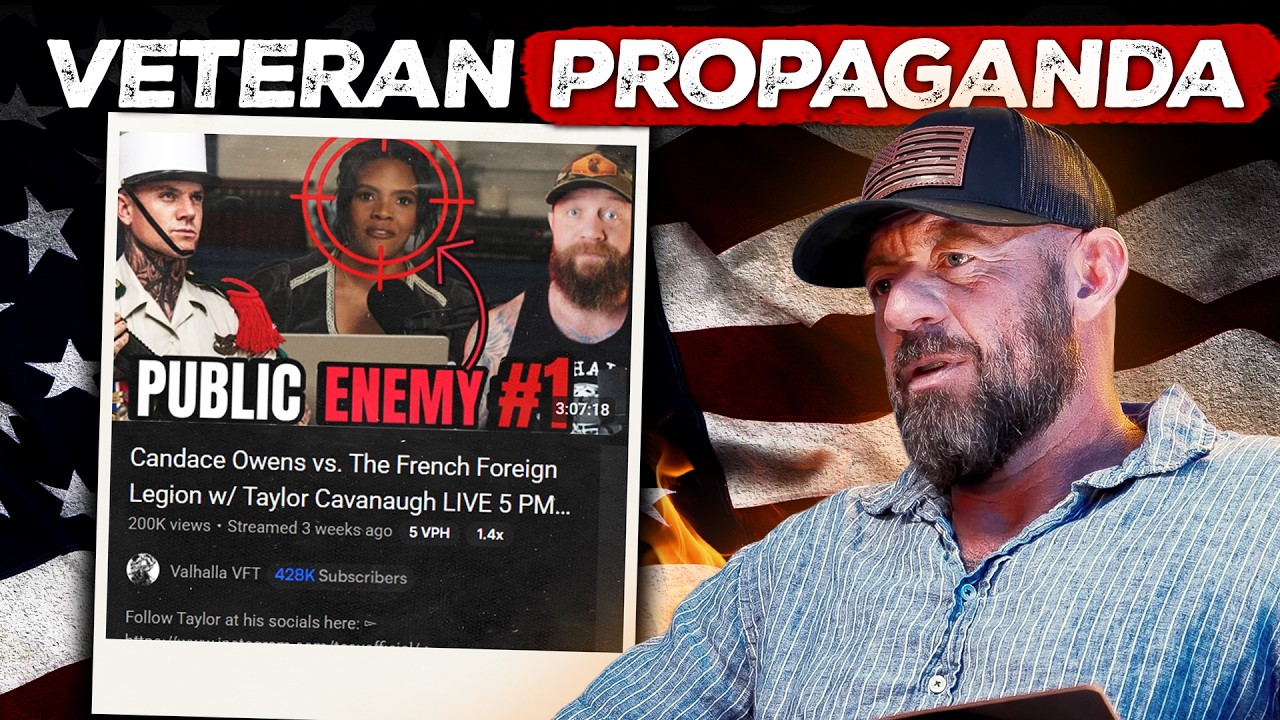
Andy Stumpf’s critique of veterans promoting Charlie Kirk for views raises questions about the authenticity of their support, considering the potential for financial gain.
Andy Stumpf’s critique of the relationship between some veterans and Charlie Kirk suggests a need for greater transparency and accountability in political endorsements and online influence.
The discussion prompted by Andy Stumpf’s video about veterans and Charlie Kirk serves as a reminder of the complex interplay between political ideologies, personal influence, and the military.
The video’s exploration of the relationship between veterans and political figures like Charlie Kirk underscores the complexity of political engagement within the military community.
Given the complexities involved, it’s essential to approach the topic of veterans supporting Charlie Kirk with a nuanced perspective, considering both the political and personal aspects.
The video’s theme of critically evaluating the support of veterans for figures like Charlie Kirk encourages a deeper reflection on the responsibilities that come with influence and endorsement.
Andy Stumpf’s video on the dynamics between veterans and Charlie Kirk invites a broader conversation about the role of political influence and personal gain in shaping public discourse.
Andy Stumpf’s video prompts a necessary conversation about the motivations behind veterans’ endorsements, particularly when it involves figures like Charlie Kirk with significant political influence.
The potential for propaganda in the context of veterans supporting Charlie Kirk highlights the importance of media literacy and critical thinking in evaluating online content.
It’s intriguing that the video on YouTube explores the potential for propaganda in the context of veterans and Charlie Kirk, given the influence both have on their respective audiences.
Given the influence of Charlie Kirk and the loyalty of his followers, including some veterans, it’s essential to assess the implications of their support on the broader political landscape.
It’s worth considering how the narrative around veterans and their support for Charlie Kirk might impact public perception of the military and its relationship with political ideologies.
The video’s focus on the intersection of veterans and conservative ideologies like Charlie Kirk’s is concerning, as it may create a divisive narrative.
It’s concerning that some veterans might be swayed by Charlie Kirk’s message without fully considering the implications of their support, potentially leading to unintended consequences.
The intersection of military service, political ideology, and personal gain, as discussed in relation to Charlie Kirk, is a complex issue that requires careful examination.
Andy Stumpf’s video on YouTube invites viewers to think critically about the motivations behind public endorsements, particularly in the context of veterans and figures like Charlie Kirk.
The critique of veterans potentially using Charlie Kirk for views and personal gain raises questions about the ethical considerations of political endorsements and online influence.
The discussion around veterans and their support for Charlie Kirk brings up important questions about the role of political activism in the military community and its potential consequences.
Andy Stumpf’s argument about the potential misuse of veterans’ support for personal or political gain by figures like Charlie Kirk necessitates a closer look at the ethics of political engagement.
Stumpf’s argument that some veterans are using Charlie Kirk for personal gain highlights the need for transparency in online endorsements and political support.
Considering the potential reach of Charlie Kirk’s message among veterans, it’s crucial to evaluate the content and intentions behind the information being shared.
Andy Stumpf’s analysis of the dynamics at play when veterans support Charlie Kirk suggests a need for a more nuanced understanding of political influence and personal gain.

28 Comments
The exploration of how veterans engage with political figures like Charlie Kirk and the potential for propaganda underscores the importance of critical thinking in political engagement.
Andy Stumpf’s critique of veterans promoting Charlie Kirk for views raises questions about the authenticity of their support, considering the potential for financial gain.
Andy Stumpf’s critique of the relationship between some veterans and Charlie Kirk suggests a need for greater transparency and accountability in political endorsements and online influence.
This transparency is crucial in maintaining the integrity of political discourse and the trust of the public.
The discussion prompted by Andy Stumpf’s video about veterans and Charlie Kirk serves as a reminder of the complex interplay between political ideologies, personal influence, and the military.
The video’s exploration of the relationship between veterans and political figures like Charlie Kirk underscores the complexity of political engagement within the military community.
Given the complexities involved, it’s essential to approach the topic of veterans supporting Charlie Kirk with a nuanced perspective, considering both the political and personal aspects.
The video’s theme of critically evaluating the support of veterans for figures like Charlie Kirk encourages a deeper reflection on the responsibilities that come with influence and endorsement.
Andy Stumpf’s video on the dynamics between veterans and Charlie Kirk invites a broader conversation about the role of political influence and personal gain in shaping public discourse.
Andy Stumpf’s video prompts a necessary conversation about the motivations behind veterans’ endorsements, particularly when it involves figures like Charlie Kirk with significant political influence.
The potential for propaganda in the context of veterans supporting Charlie Kirk highlights the importance of media literacy and critical thinking in evaluating online content.
It’s intriguing that the video on YouTube explores the potential for propaganda in the context of veterans and Charlie Kirk, given the influence both have on their respective audiences.
Given the influence of Charlie Kirk and the loyalty of his followers, including some veterans, it’s essential to assess the implications of their support on the broader political landscape.
It’s worth considering how the narrative around veterans and their support for Charlie Kirk might impact public perception of the military and its relationship with political ideologies.
The video’s focus on the intersection of veterans and conservative ideologies like Charlie Kirk’s is concerning, as it may create a divisive narrative.
This could further polarize the veteran community, making it harder for them to find common ground.
It’s concerning that some veterans might be swayed by Charlie Kirk’s message without fully considering the implications of their support, potentially leading to unintended consequences.
The intersection of military service, political ideology, and personal gain, as discussed in relation to Charlie Kirk, is a complex issue that requires careful examination.
Andy Stumpf’s video on YouTube invites viewers to think critically about the motivations behind public endorsements, particularly in the context of veterans and figures like Charlie Kirk.
The critique of veterans potentially using Charlie Kirk for views and personal gain raises questions about the ethical considerations of political endorsements and online influence.
These considerations are especially pertinent in the digital age, where influence can be both expansive and fleeting.
The discussion around veterans and their support for Charlie Kirk brings up important questions about the role of political activism in the military community and its potential consequences.
Andy Stumpf’s argument about the potential misuse of veterans’ support for personal or political gain by figures like Charlie Kirk necessitates a closer look at the ethics of political engagement.
This includes considering how such actions might affect not only the political discourse but also the reputation of the military community.
Stumpf’s argument that some veterans are using Charlie Kirk for personal gain highlights the need for transparency in online endorsements and political support.
Considering the potential reach of Charlie Kirk’s message among veterans, it’s crucial to evaluate the content and intentions behind the information being shared.
This evaluation process could help in discerning genuine support from what might be perceived as propaganda.
Andy Stumpf’s analysis of the dynamics at play when veterans support Charlie Kirk suggests a need for a more nuanced understanding of political influence and personal gain.