

Listen to the article
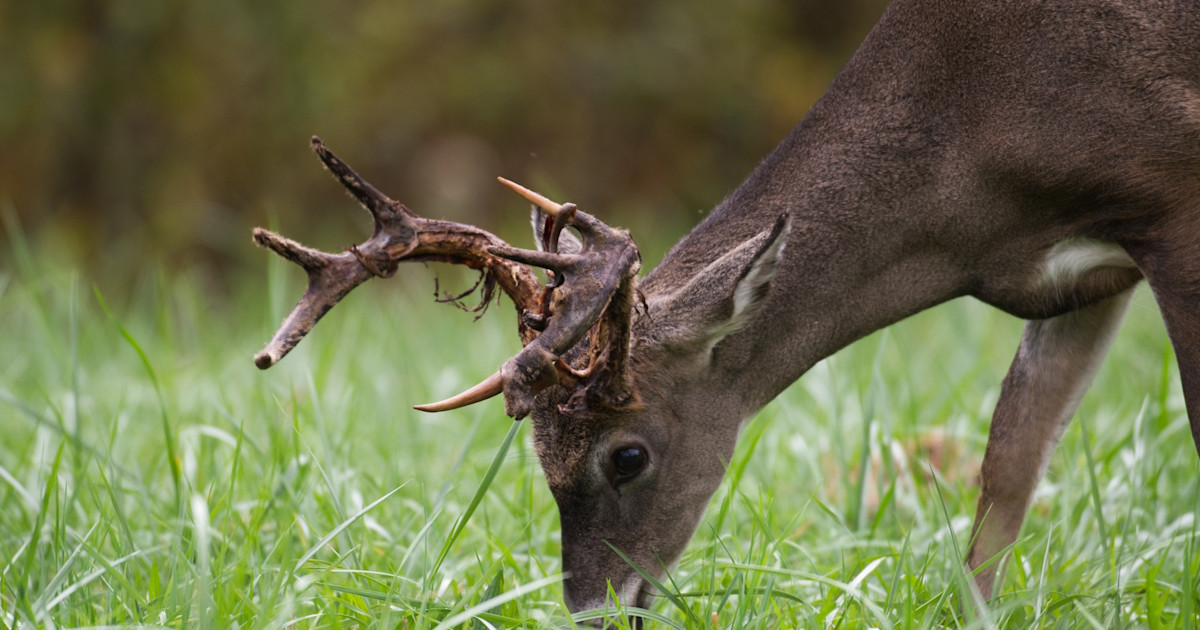
The field of archeology is full of examples of humans using antlers for sacred and ceremonial purposes. It is obvious that antlers have amazed hunters long before we started scoring them in inches and points. Some of the spiritual mystique of antlers comes from the fact that they are cast off and regrown every year, and that has been viewed by just about every culture on Earth as a symbol of rebirth and healing. Even badly broken antlers are replaced with a perfect set—usually bigger—the following year.
Evidence of the spiritual significance of antlers is found in their prevalence in graves, ceremonies, and religious beliefs. Wooden sculptures of stylized deer or people with antlers were found in the tombs of the Zhou Dynasty in China 2,000 to 3,000 years ago. Antlers were carefully placed at the head of the tombs and thought to guard the grave and ward off evil spirits. Antlered gods, deer masks, and antler headdresses were common in religious rituals throughout the world, and this widespread use demonstrates the powerful ceremonial force of antlers on humans.
Beyond the reverence of these bony structures throughout our entire existence, antlers—especially growing velvet antlers—have long been used in traditional medicine. Antlers have been promoted to support vitality, boost immune function, enhance joint health, improve recovery from illness, increase endurance or strength, enhance stamina, promote bone and cartilage repair, and improve sexual function. More recently, researchers are tapping into the mysterious and amazing properties of antler growth to investigate incredibly important advances in cloning, treating cancer, tissue healing, osteoporosis, limb regeneration, and more.
Velvet Antlers
Since antlers are made of important elements like protein, calcium, phosphorus, and contain growth compounds and hormones, it seems intuitive that they might have beneficial health properties. The young growing antlers of deer (usually elk and red deer) are cut off when about two-thirds grown and then dried. Velvet antlers are usually processed as dried cross-sections or pulverized pieces of the cartilage and skin of growing antlers. From there, a wide variety of things are made, including broths, sprays, tinctures, creams, oils, food supplements, and pills.
Antlers have also been widely seen as a symbol of masculinity because, with the exception of caribou, they are almost exclusively a male appendage. This notion of masculinity is probably the origin of the use of partially grown antlers for medicinal cures and supplements. The medicinal use of velvet antler was first documented in a Chinese silk scroll, dating back more than 2,000 years. The scroll contains a wide range of medical treatments and prescriptions that use velvet antler in some form. The list of ailments that are treated with velvet antler products covers just about everything you would see in a medical dictionary. Because of the connection with masculinity, it is often purported to increase sex drive, improve fertility, and address other related issues.
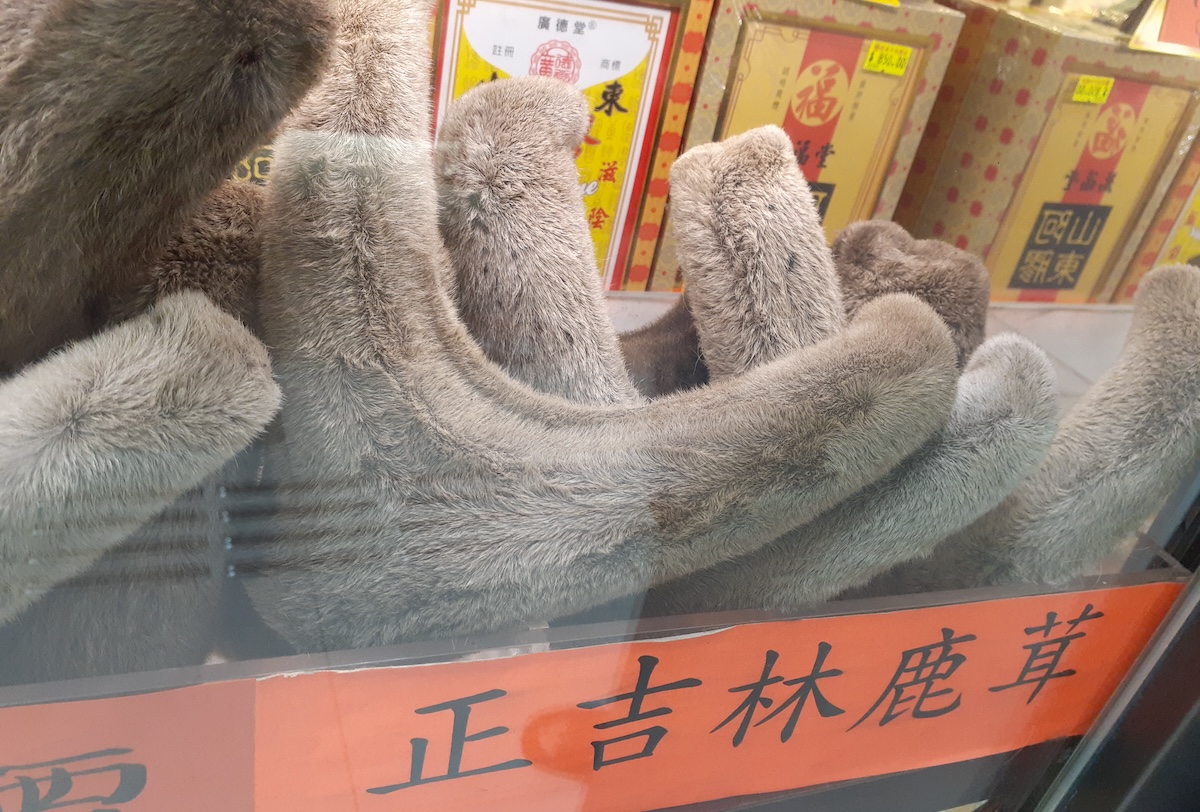
Antlers are still used today as a component of traditional Chinese medicine, but are also now sold worldwide for the same purported benefits. Perhaps the most famous example of their modern use surfaced in 2013 when Baltimore Ravens linebacker Ray Lewis found himself in trouble just prior to the Super Bowl. It was alleged that he used deer antler spray containing IGF-1, a banned substance by the NFL. It is unclear if natural velvet antler has enough IGF-1 to produce any beneficial effects or if it can even be absorbed orally. One medical doctor commented that if a spray could deliver IGF-1 orally, the medical profession would be using that for patients who currently receive IGF-1 injections for various medical issues. One study showed that IGF-1 was indeed present in a commercial antler product, but it did not originate from deer.
Although less promoted than velvet, hardened antlers are sometimes ground up and used in traditional remedies across parts of Asia. In Siberia and Mongolia, antler extracts and baths are used for joint pain, inflammation, and circulatory issues. In some cultures, hard antlers are incorporated into salves or powders intended for wound healing or as nutritional supplements containing minerals and collagen.
Like all supplements, antlers contain compounds that have been shown in laboratory settings to aid certain medical conditions, but solid scientific evidence that any particular antler derivative actually helped human patients is rare. Claims are rarely based on rigorous scientific research with experimental controls, human trials, and adequate sample sizes. More quality research is needed before these supplements could be integrated into mainstream medical practices.
Wound Healing
The medicinal use of antlers as a health supplement is what most people are familiar with, but in laboratories around the world, researchers are using the antler growing cycle as a model to try to advance many exciting medical discoveries.
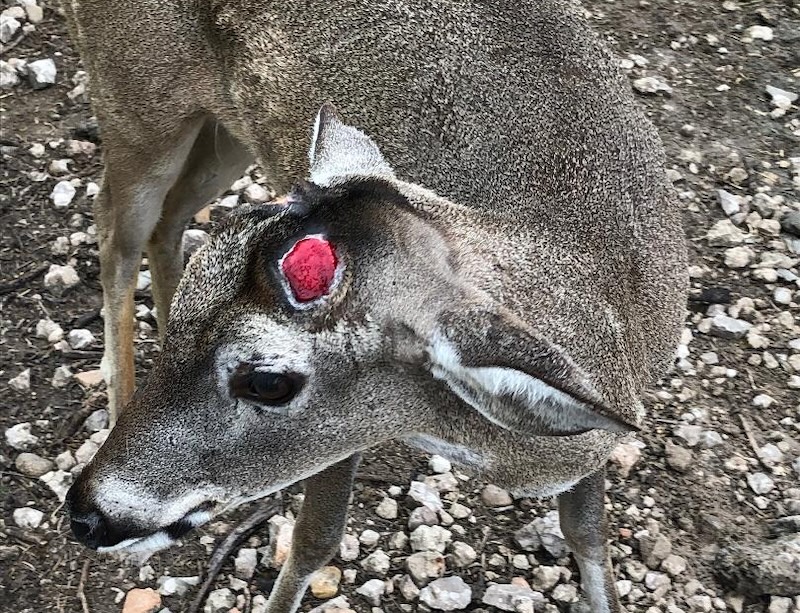
For example, a 2019 study demonstrated that certain growing antler cells accelerate wound healing in rats, suggesting a potential to develop therapies for encouraging scar-free healing after injury. The healing properties of antler cells are not likely a random finding. We know that when antlers are cast off, a bloody spot then scabs over and heals directly into healthy, velvet skin that then shields and nourishes the next growing antler. Perhaps that process of a scab omitting the scar tissue phase and transitioning directly into healthy skin can be harnessed to heal human wounds quicker.
Limb Regeneration
Amphibians, like salamanders, can completely regenerate a whole arm or leg from a healed stump. Researchers were astounded to learn that one salamander, the Axolotl, is capable of re-growing a spinal cord, heart, and limbs. Mammals cannot regenerate limbs, but antlers represent the only mammalian structure that can completely regenerate, making them a good model for medical research. If researchers can learn how antlers regrow themselves in the same shape, maybe we can duplicate the process with human appendages.
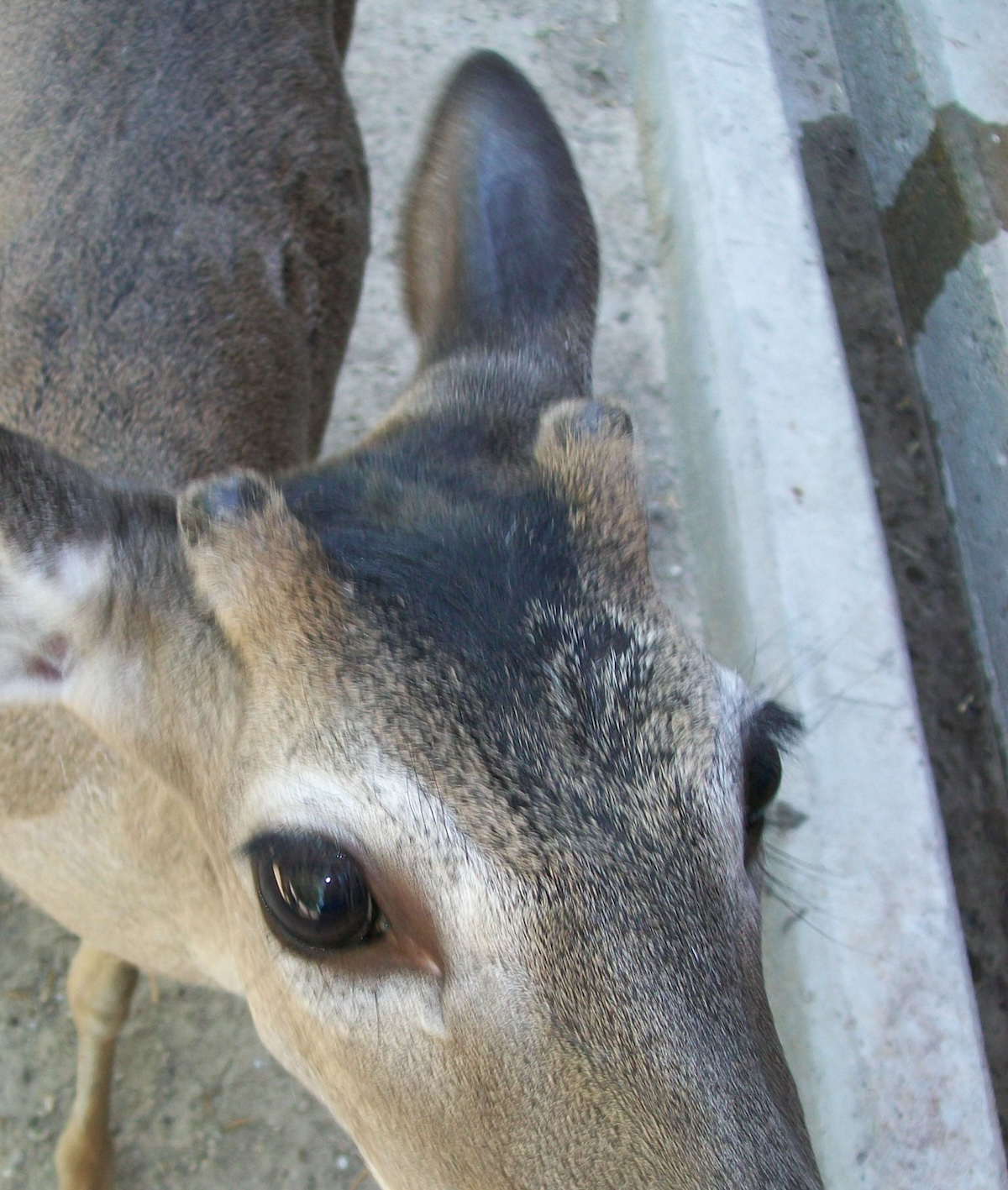
Recent research shows antlers regenerate using a completely different process (stem cells) than amphibian limbs. Antlers are initiated from a pad of tissue under the forehead skin of fawns called the “antlerogenic periosteum” (AP), which sit on top of two bony protuberances that eventually grow into the antler pedicles (bases).
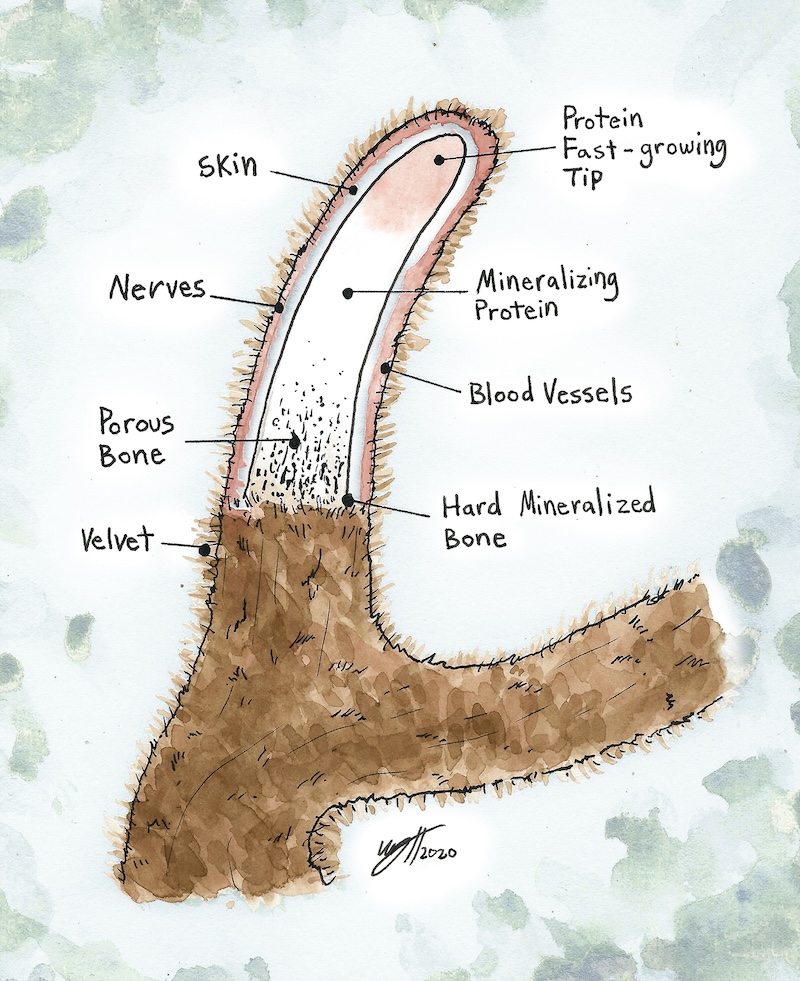
Unlike skin or bone cells, this AP tissue contains stem cells, which are general cells capable of developing into any type of tissue. Since antlers are made of a variety of tissues—skin, bones, nerves, blood vessels, connective tissue, and cartilage— this AP tissue has been the focus of research to unlock the clues to regenerating limbs.
Recently (2023), scientists identified a type of antler cell that can regenerate bone, cartilage, nerves, and blood vessels. When transplanted into mice, they produced antler-like bone and cartilage structures. This highlights the possibility of applying antler-derived mechanisms to bone repair or limb regeneration in other mammals. It is not so crazy to think that deer will help us in the future to regenerate limbs of human amputees!
Osteoporosis
Because antlers involve cycles of intense mineralization, deer provide a natural model for studying bone density regulation. A bull elk can grow 65 pounds of antlers in three months! Bucks and bulls cannot eat enough calcium and phosphorus while growing antlers to supply these fast-growing structures, so they mobilize calcium from their skeleton to supplement dietary intake. After the antlers are fully mineralized in the fall, the buck’s body then replenishes the bone density loss in the skeleton through their diet.
The seasonal loss in bone density and replacement serves as a model for investigating osteoporosis. Interestingly, the bones that lose density to help build the antlers are mostly bones that are not weight-bearing. Ribs, for example, were found to contribute more calcium than leg bones that the buck would need to stay strong. It makes a lot of sense to borrow calcium from areas that will not jeopardize skeletal strength or the safety of the animal. This skeleton-antler cycle might someday teach us how to replenish bone density loss.
Bone and Cancer Research
Antlers grow faster than any other mammalian tissue. In fact, antlers grow even faster than cancer cell growth—up to one inch per day in some species. Despite this rapid growth, the cells remain under control and are regulated so they do not become unwanted or dangerous tumors. This makes antlers a useful system for studying how fast-growing tissues avoid turning into cancer.
Allowing such rapid antler growth and then slowing it down and stopping it takes some regulation, so it was not surprising when researchers found the deer family has more active tumor-suppressing genes. Surveys of cancer in captive mammals found that members of the deer family are five times less likely to get cancer, which supports the idea that the deer family has some genetic ability to suppress tumor growth. Here again, if we can unlock the secrets to suppressing the incredible summer growth of bone, skin, nerves, and blood vessels of antlers, we might be able to apply that to stop or slow cancer cell growth.
Because antlers repeatedly generate large volumes of bone, researchers study them to understand the growth and repair of bone and cartilage. Antler material has shown promise as a material to use in bone grafts. When a bone is severely damaged by trauma or disease, it needs a structural bridge to heal. Because of their chemical, structural, and biological similarities, antler material has been shown to be readily accepted and integrated into healing bone. Some medical studies are zeroing in on antler-derived growth compounds that may guide future treatments for fractures or degenerative bone diseases.
Cloning
When stem cells were discovered in the antlerogenic periosteum, researchers hatched a plan to regenerate more than just a limb. Using antler stem cells, they cloned two genetically identical red deer in New Zealand, along with nine more deer clones using stem cells from other tissues.
This may not have a direct human medicinal connection, but cloning could be used one day in saving endangered deer species. Also, when researching antler development, identical deer clones would be useful to eliminate individual variation (twin studies), allowing researchers to better identify the effects of the factors they are studying. While this shows that certain cells from antlers can be used for cloning under controlled laboratory conditions, it does not mean that antler stem cells are being used broadly to clone deer for conservation or restoration of wild herds.
Although the red deer cloning effort proved it can be done, it is not a way to “grow deer” in any routine way, and is certainly not something that can be scaled up for conservation purposes. If cloning were widespread, just think how boring your collection of shoulder mounts would be.
Antlers and Humans Saving Each Other
From the earliest cave paintings to modern wildlife conservation, humans have long been captivated by the beauty and symbolism of antlers. We have collected them as objects of admiration and reverence while also conserving and restoring the animals that grow them. Antlers have inspired art, culture, and stewardship, helping drive efforts to protect and manage deer wherever they occur.
Today, however, scientific interest in antlers is moving beyond aesthetics and tradition. Recent medical and biological research is revealing that because of the unique ability of antlers to regenerate rapidly and repeatedly, they hold remarkable promise for improving human health, longevity, and overall quality of life. Future research will undoubtedly uncover life-saving therapies and innovative medical techniques rooted in antler science, offering exciting possibilities for advancing human medicine. Our interest and stewardship of antlers, and those that grow them, will continue to provide the foundation that encourages future research of antlers.
Read the full article here
6 Comments
Great insights on Hunting. Thanks for sharing!
Solid analysis. Will be watching this space.
I’ve been following this closely. Good to see the latest updates.
Interesting update on Antlers in Medicine: Ancient Remedies, Cancer Research, and Regenerative Science. Looking forward to seeing how this develops.
Good point. Watching closely.
This is very helpful information. Appreciate the detailed analysis.