

Listen to the article
If you’re reading this article, you’re no doubt interested in do it yourself (DIY) hunting trips. Regardless of which species you want to pursue, planning a DIY hunt can be a very rewarding or frustrating experience. If you put the effort into your research and planning and manage to fill your tag, it truly is an exceptional feeling. But if you approach it half-heartedly or are unprepared, it can make you wonder why you even started in the first place. Wild sheep hunting is similar in many ways. If your DIY sheep hunting trip goes well, you will check a major item off your bucket list and probably have a new hunting obsession. But if you’re not prepared physically or don’t have the right hunting gear, you can easily question your sanity. For your first DIY sheep hunt, here are the sheep species you can hunt, the tactics to hunt them, and the gear you’ll need. I’ve also included some sheep hunting videos from my personal hunts to give you an idea of the challenges you’ll face.
Common Sheep Species You Can Hunt
Though there are several species of wild sheep you can hunt in North America, there are also many challenges with DIY sheep hunting. For example, in many states, there may only be a once-in-a-lifetime hunt for a certain species, and so it can take time to get drawn for a tag. Depending on where you live, you may not even be legally able to do a DIY hunt. If you are not a Canadian Citizen, you are required to use a guide and unless you have an immediate family member in Alaska, who will accompany you on a hunt, you are also required to use a guide as a non-resident of Alaska. Be sure to check all regulations if you decide to embark on some of these hunts.
Additionally, almost all sheep species have phenomenal eyesight, allowing them to pick out hunters easily unless you have a lot of cover (and let’s be honest, there’s not usually much cover in most high country settings). Many of these sheep hunts take place above timberline so you will likely just have rocks and the topography to make your approaches. To make it more challenging, weather patterns can change quickly in mountain areas. What started as a beautiful sunny day can quickly turn into a thunderstorm or snowstorm, so you need to be adaptable and willing to change locations frequently. The Wild Sheep Foundation has additional information available, but here are a few of the common sheep species you can hunt.
Rocky Mountain Bighorn Sheep
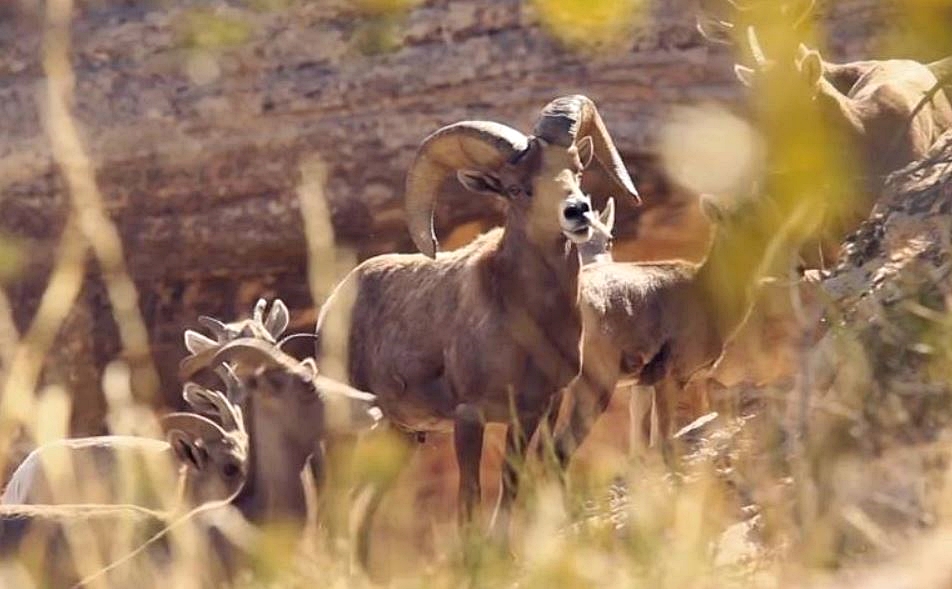
Probably the most familiar sheep species, the Rocky Mountain Bighorn is a captivating symbol of America’s rugged mountain range. They are North America’s largest sheep species (rams approach 300 pounds) and they occupy the high country of much of the western U.S. and Canada. They often spend their days in timber or resting on rock shelves, which makes Rocky Mountain bighorn sheep hunting challenging. Their coloration helps them blend in effortlessly almost anywhere they go, and their eyesight is incredibly sharp. Bighorn sheep hunting is very addicting because of the terrain these animals inhabit, and also how elusive and cunning the sheep are.
Dall Sheep
As compared to the bighorn sheep, the Dall sheep is smaller and sports a completely white coat. They also only occur in Alaska and northwest Canada down to British Columbia. Because of their white coat, Dall sheep hunting can be easier in the fact that you can spot them better (provided there’s not much snow cover) rather than the other sheep species mentioned here. However, being able to spot them and stalking close enough to hunt them are two very different things. For a DIY Dall sheep hunt, be prepared to navigate steep, open rocky slopes without much cover to hide you while you stalk.
Desert Bighorn Sheep
The desert bighorn is North America’s smallest native sheep species and it occupies primarily the American southwest and Mexico. It is a dusty brown or tan color, which blends in perfectly to the surrounding arid desert landscape. Its horns are also thinner than the Rocky Mountain bighorn sheep. Unfortunately, drawing a tag for a desert bighorn is very unlikely for most people, which makes completing a DYI North American Grand Slam for Sheep very hard to do.
Stone Sheep
Stone sheep occupy much of the same geography as Dall sheep, but look more like a bighorn sheep. However, their coloration can vary from dark gray, to black, to white, to chocolate, and everything in between. This unique coloration makes them a very attractive sheep to hunt.
Aoudad Sheep
The aoudad sheep (aka, Barbary sheep) was introduced here decades ago from North Africa, and today it can be found in several southwest states or on private hunting ranches in Texas. Like the desert bighorn, it excels in arid conditions and is a similar size to the bighorn species. However, its horns spread outward and back as they curl and it sports a usually blond yellow mane below its neck, chest, and runs down the front legs, known as “chaps”.
DIY Sheep Hunting Tactics
As you can imagine from the sheep species mentioned above, DIY sheep hunting can be pretty tricky. Sheep are usually very hard to spot, yet they can spot you very easily. Plus, sheep country itself is very punishing, rugged, and remote, which challenges you physically and mentally with every step you take. That’s why getting in “sheep shape” and practicing mental toughness in advance of your hunt will pay off in a big way. Make sure you can navigate rocky slopes and dense regrowth while carrying all your hunting gear at the same time. I have prepared a great article with several videos on hunting workouts to help you get started. Mountain sheep hunting is also great practice if you want to do a DIY mountain goat hunt one day!
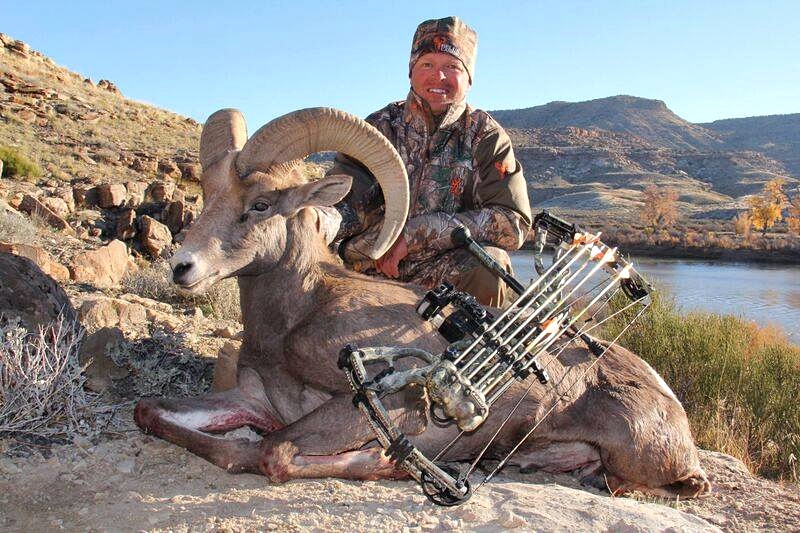
The common theme you’ll notice with almost any kind of DIY sheep hunting is to glass, glass, and glass some more. The second you think you’ve covered an entire hillside thoroughly, give it another hour and study everything again. You’d think a ram sporting some serious headgear would stand out so easily, and yet they somehow manage to hide in plain sight. To start your morning hunt, set up at a good observation point where you can see a good chunk of the country and stay concealed. Use high-quality Vortex® optics to study everything, systematically working your way across and down a slope until you have covered it all. Obviously, that will take some time – it’s not unusual to glass for sheep for whole days at a time. But patience will usually allow you to find an elusive sheep instead of moving on to a new basin and missing a stalking opportunity or blowing sheep you didn’t see, out of the area while moving to a new location. While scouting for sheep, particularly Rockies, you’re also likely to find some elk or mule deer in the right areas. If you’re into DIY elk hunting, keep those areas in mind!
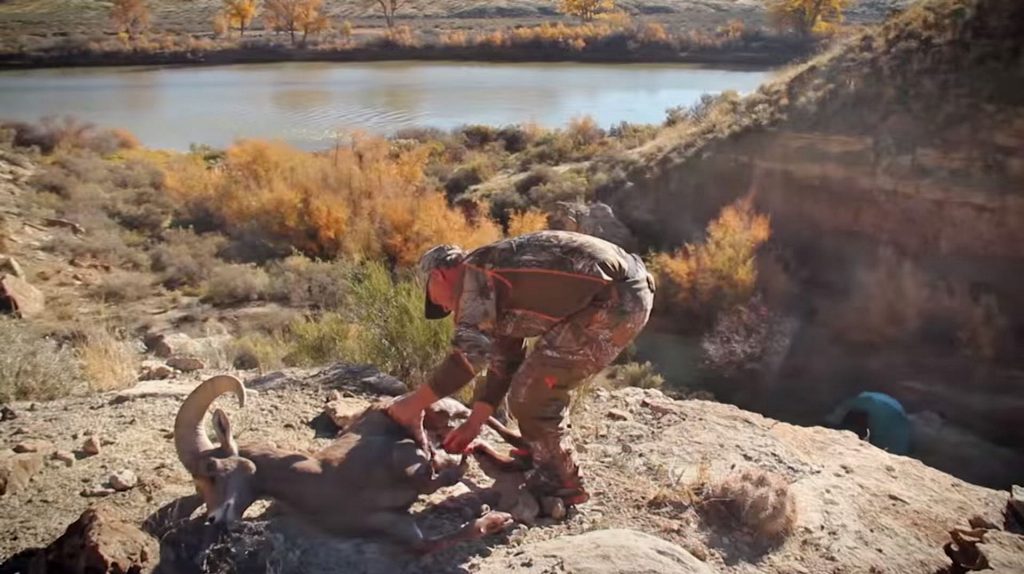
Spot and stalk hunting is the name of the game for DIY sheep hunts. After you successfully spot a lone ram or a group of sheep, take time to figure out how (or even if) you can approach them. Sheep will almost always have an easy escape route planned, so study the landscape to plot your course carefully. If possible, you should always approach from downwind and upslope of the sheep so you can remain undetected as long as possible. Obviously, try not to disturb the rocks as you approach and keep a low profile. If you can sneak within range to put the Hoyt® bow to work, you’ve accomplished a great feat in itself!
Sheep Hunting Gear List
For DIY sheep hunting, you obviously need to be self-reliant. There won’t be any guides or outfitters to help move your camp around, so you should be able to carry everything you need. As far as sheep camp goes, try to be flexible so you can move camp easily as the weather conditions and sheep scouting efforts warrant. A basic tent, tarp, sleeping bag, and cooking gear are required. If it’s possible to use a vehicle or ATV to haul this gear in, you can hunt a little further into remote areas. But if motorized vehicles are not allowed, you may have to hike in with as much gear as you can handle, filling your backpack to full capacity and then some.
As far as hunting gear goes, you will definitely want a reliable pair of binoculars and a spotting scope with a tripod, as all your hunting boils down to using them day after day. You will also need layered and camouflaged hunting clothing for changing weather conditions and to stay hidden. Make sure to pack a reliable headlamp and/or flashlight with you because being on a rocky slope in the dark is very dangerous. And as always, a good knife is an essential hunting item to always have with you. A pair of walking sticks can be essential. The third point of contact gives a level of confidence and stability. If you’re fortunate enough to kill a ram, your pack will be much heavier and you will be glad you had the sticks. One tip I received when I drew my sheep tag was to get an eye patch. This helps eliminate the squinting when looking through a spotting scope for hours.
If you plan on going on your first DIY sheep hunting trip, just be sure to manage your expectations. Drawing a tag can be a challenge in some places and simply navigating sheep country is difficult at best. On top of that, spotting a sheep can take days and actually making a successful stalk is downright hard to do. Putting as much time in scouting can help you on your hunt: from judging the terrain, your physical abilities and knowing where the sheep may be and studying their habits. But because of all those challenges, the reward of actually taking a mature ram is so much sweeter in the end. That’s what Pure Hunting is about – overcoming the seemingly insurmountable obstacles to outsmart a wild game animal. It’s a rush you won’t ever forget.
A more comprehensive guide to DIY hunting, including a comprehensive DIY gear list, can be found below including helpful information and videos for several other species!
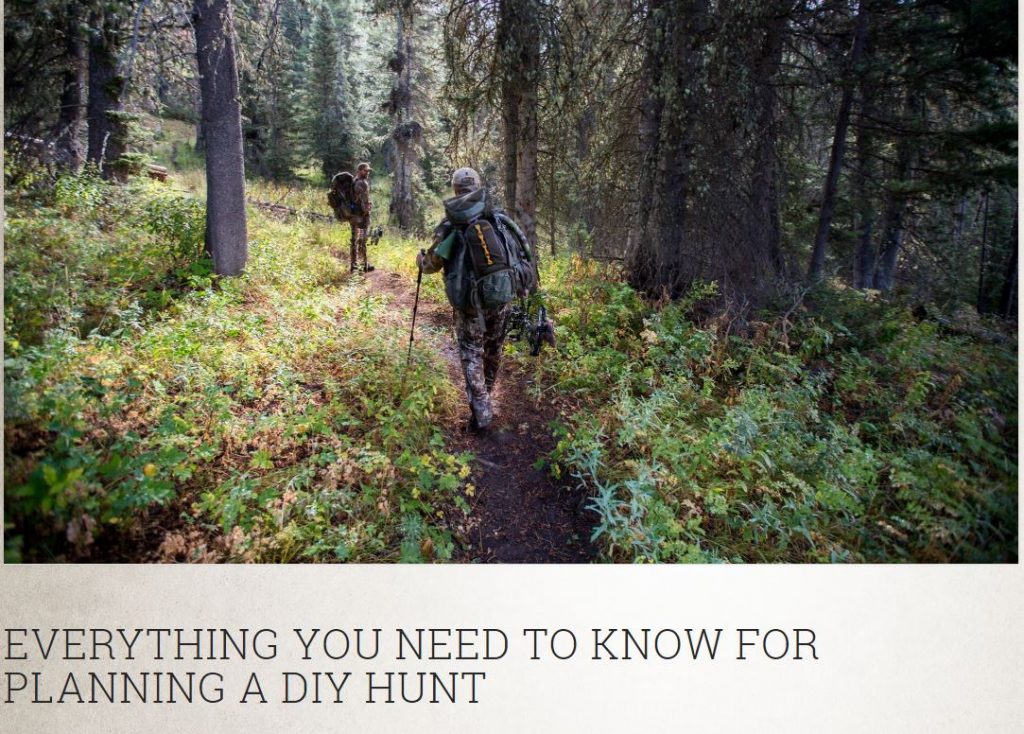
Read the full article here
21 Comments
The fact that Rocky Mountain Bighorn Sheep can weigh up to 300 pounds and occupy the high country of much of the western U.S. and Canada makes them a fascinating species to hunt, but also a challenging one due to their sharp eyesight and ability to blend in with their surroundings.
The description of the high country settings where many sheep hunts take place makes it clear that hunters will need to be prepared for extreme weather conditions and challenging terrain.
I’m curious about the potential for DIY sheep hunting to be a transformative experience for hunters, both in terms of the challenge and the sense of accomplishment that comes with a successful hunt.
The description of the sheep’s coloration and eyesight makes it clear that they are well adapted to their environment, and hunters will need to be skilled and patient to succeed.
The description of the challenges of DIY sheep hunting, including the need to be physically prepared and have the right gear, makes me wonder if it’s worth the effort – but the potential reward of a successful hunt is clearly a powerful motivator for many hunters.
The description of the challenges of DIY sheep hunting makes it clear that it’s not a pursuit for the faint of heart, but for those who are willing to put in the time and effort, the rewards can be significant.
The fact that the article mentions the potential for thunderstorms or snowstorms to develop quickly in mountain areas makes it clear that hunters need to be prepared for emergency situations and have a plan in place.
The article’s emphasis on the need for hunters to be adaptable and willing to change locations frequently in response to changing weather patterns is crucial, as the safety of both the hunters and the animals depends on it.
I’ve had experience with hunting in high country settings and can attest to the fact that the lack of cover and unpredictable weather patterns can make it extremely challenging – it’s essential to be prepared and flexible.
The author’s comment that bighorn sheep hunting is ‘very addicting’ resonates with me, as I’ve had similar experiences with other types of hunting – the thrill of the challenge and the reward of a successful hunt can be hard to match.
The description of Rocky Mountain Bighorn Sheep as a ‘captivating symbol of America’s rugged mountain range’ is apt, and their ability to thrive in such harsh environments is a testament to their resilience.
The fact that the article includes sheep hunting videos from the author’s personal hunts is a great way to give readers a sense of the challenges and realities of DIY sheep hunting.
The article’s mention of the importance of research and planning for a successful DIY sheep hunt is well taken, but I’d like to know more about the specific steps that hunters can take to prepare themselves for the challenges they will face.
The article’s emphasis on the importance of checking regulations before embarking on a DIY sheep hunt is crucial, as the rules and requirements can vary significantly depending on the location and species being hunted.
I’d like to know more about the specific tactics and strategies that can be employed when hunting Rocky Mountain Bighorn Sheep, particularly in terms of using the terrain and topography to get close to the animals.
I’d like to know more about the specific gear and equipment that is recommended for DIY sheep hunting, particularly in terms of clothing, optics, and firearms.
The fact that many states have a once-in-a-lifetime hunt for certain species of wild sheep makes it even more important for hunters to do their research and plan carefully to make the most of their opportunity.
The mention of the Wild Sheep Foundation as a resource for information on sheep species is helpful, but I’d like to know more about their role in conservation efforts and how they support DIY hunters.
I’m skeptical about the feasibility of DIY sheep hunting for those who are not physically prepared or don’t have the right gear, as the article mentions the need to be adaptable and willing to change locations frequently in response to changing weather patterns.
I’m curious about the regulations for DIY sheep hunting in Alaska, specifically the requirement for non-residents to use a guide unless they have an immediate family member accompanying them on the hunt.
I’m concerned about the potential impact of DIY sheep hunting on the environment and the sheep populations themselves, and would like to know more about the conservation efforts that are in place to ensure the long-term sustainability of these species.