It’s reassuring to know that bulletproof glass can be used in a variety of applications, including law enforcement vehicles, to protect officers from harm.
I’m interested in learning more about the different levels of bulletproof glass, such as Level I, II, and III, and how they are rated for their resistance to various types of ammunition.
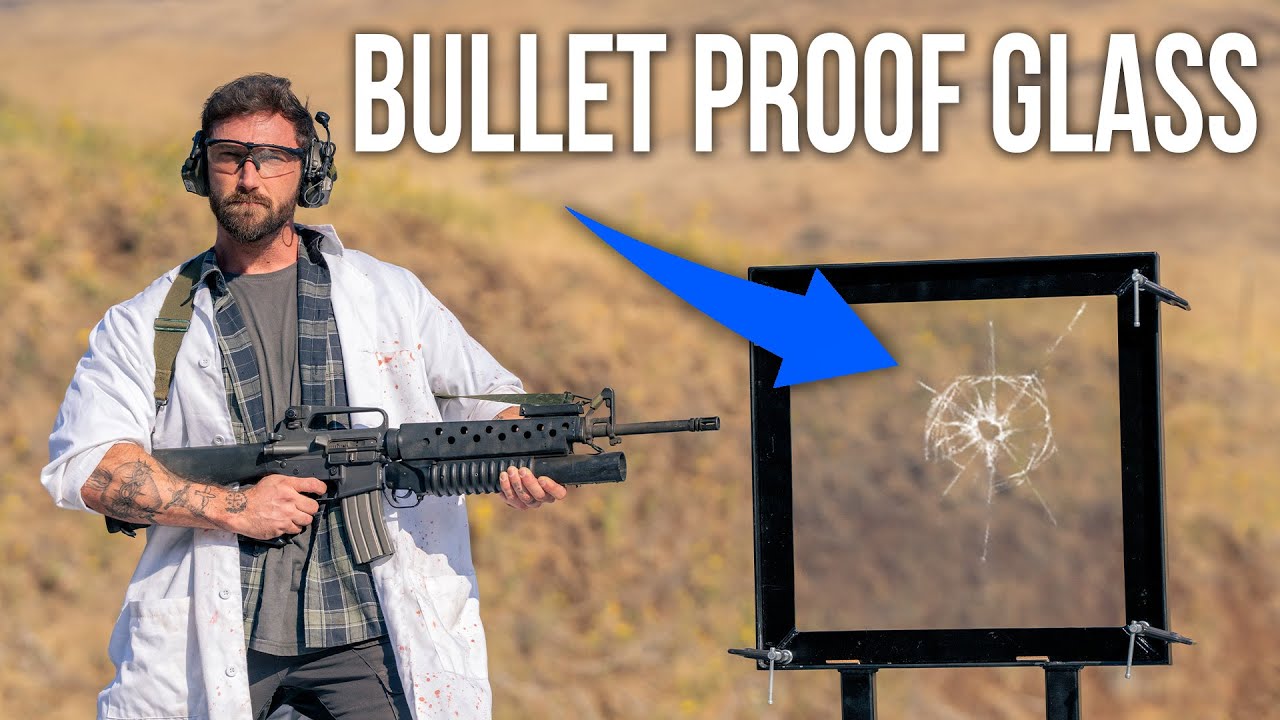
The demonstration of bulletproof glass stopping a 9mm handgun round is impressive, but I wonder how it would hold up against higher caliber weapons like a rifle.
I’m skeptical about the cost-effectiveness of installing bulletproof glass in personal vehicles, considering the high cost of materials and installation.
The fact that bulletproof glass can be used in conjunction with other security measures, such as alarms and cameras, to create a comprehensive security system is a significant advantage.
I’ve heard that some companies are developing new types of bulletproof glass that are lighter and more affordable, which could make it more accessible to the general public.
I’m curious to know how bulletproof glass is tested for its effectiveness, as the video on YouTube seems to demonstrate its strength against various types of ammunition.
The video’s discussion of the weight and thickness of bulletproof glass, and how it can affect the overall performance of a vehicle, is an important consideration for manufacturers.
I’ve seen videos where bulletproof glass is penetrated by multiple shots in the same spot, which makes me question its reliability in real-world situations.
It’s concerning that bulletproof glass can be vulnerable to certain types of attacks, such as those using armor-piercing rounds, which can compromise its effectiveness.
It’s surprising to learn that some bulletproof glass products are designed to be aesthetically pleasing, such as those used in luxury vehicles, which can make them more appealing to consumers.
The video mentions that bulletproof glass is used in high-risk vehicles, but I’d like to know more about its application in building security, such as in banks or government offices.
I’m interested in learning more about the environmental impact of bulletproof glass production and disposal, and whether there are any eco-friendly alternatives available.
The demonstration of bulletproof glass protecting against explosions is impressive, but I wonder if it can also withstand other types of attacks, such as blunt force or fire.
It’s surprising to learn that bulletproof glass can be made in different thicknesses and types, including laminated and insulated glass, to suit various security needs.

27 Comments
I’m curious to know more about the history of bulletproof glass and how it has evolved over time to become the sophisticated material it is today.
It’s reassuring to know that bulletproof glass can be used in a variety of applications, including law enforcement vehicles, to protect officers from harm.
I’m interested in learning more about the different levels of bulletproof glass, such as Level I, II, and III, and how they are rated for their resistance to various types of ammunition.
It’s concerning that bulletproof glass can shatter and become opaque after being hit, which could obstruct the view of the person behind it.
That’s why it’s essential to have a backup plan, such as a secondary escape route or a communication device, in case of an emergency.
The video’s explanation of how bulletproof glass is made, by layering polycarbonate and glass, helps to understand its strength and durability.
The demonstration of bulletproof glass stopping a 9mm handgun round is impressive, but I wonder how it would hold up against higher caliber weapons like a rifle.
I’m skeptical about the cost-effectiveness of installing bulletproof glass in personal vehicles, considering the high cost of materials and installation.
The cost may be justified for high-risk individuals, such as politicians or celebrities, but for the average person, it might not be practical.
The fact that bulletproof glass can be used in conjunction with other security measures, such as alarms and cameras, to create a comprehensive security system is a significant advantage.
I’ve heard that some companies are developing new types of bulletproof glass that are lighter and more affordable, which could make it more accessible to the general public.
I’m curious to know how bulletproof glass is tested for its effectiveness, as the video on YouTube seems to demonstrate its strength against various types of ammunition.
The testing process typically involves shooting the glass with different calibers to see if it can withstand the impact.
The video raises an interesting point about the importance of proper installation and maintenance of bulletproof glass to ensure its effectiveness.
If the glass is not installed correctly, it can compromise the entire security system.
The video’s discussion of the weight and thickness of bulletproof glass, and how it can affect the overall performance of a vehicle, is an important consideration for manufacturers.
I’ve seen videos where bulletproof glass is penetrated by multiple shots in the same spot, which makes me question its reliability in real-world situations.
That’s a valid concern, as the glass can be weakened by repeated impacts.
It’s concerning that bulletproof glass can be vulnerable to certain types of attacks, such as those using armor-piercing rounds, which can compromise its effectiveness.
This highlights the need for ongoing research and development to improve the material’s resistance to various types of threats.
It’s surprising to learn that some bulletproof glass products are designed to be aesthetically pleasing, such as those used in luxury vehicles, which can make them more appealing to consumers.
The video mentions that bulletproof glass is used in high-risk vehicles, but I’d like to know more about its application in building security, such as in banks or government offices.
I’m interested in learning more about the environmental impact of bulletproof glass production and disposal, and whether there are any eco-friendly alternatives available.
The demonstration of bulletproof glass protecting against explosions is impressive, but I wonder if it can also withstand other types of attacks, such as blunt force or fire.
I’ve heard that bulletproof glass can be used in architectural designs, such as in skylights and facades, to provide both security and natural light.
This can be particularly useful in high-risk buildings, such as embassies or government offices, where security is a top priority.
It’s surprising to learn that bulletproof glass can be made in different thicknesses and types, including laminated and insulated glass, to suit various security needs.