The psychological toll of constant deployment and high-stress missions must be significant, I hope the discussion includes ways to mitigate these effects.
The title suggests a deep dive into the personal stories of operatives, which could provide a unique perspective on the human side of special operations.
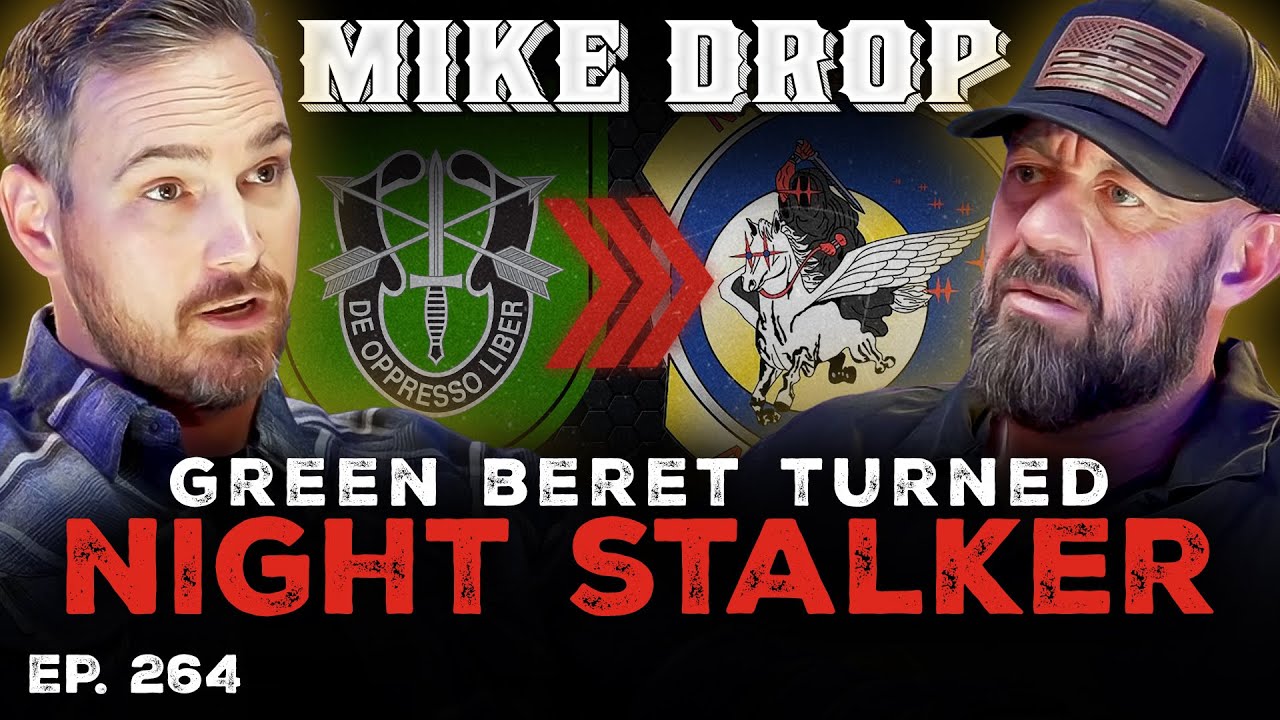
The transition from being a Green Beret to a Night Stalker is a significant career shift, I wonder what kind of training is involved in making such a transition.
What I find intriguing is how operatives balance their personal lives with the secrecy and danger that comes with being in special operations, is this something that’s discussed in the video?
I’ve always been fascinated by the mental preparation that goes into special operations, does the video delve into the psychological aspects of being in such a high-stress environment?
I wonder if the video explores the technological advancements that have changed the landscape of special operations and how operatives adapt to these changes.
For those considering a career in special operations, this video might serve as a reality check, showing the harsh realities beyond the initial allure of service.
The physical and mental challenges of special operations are well-documented, but the emotional challenges are less so, I’m interested in hearing more about this aspect.
It’s interesting to consider how the skills learned in special operations translate to civilian life, perhaps the video touches on this aspect of reintegration.
The experience of transitioning between elite units like the Green Berets and Night Stalkers could offer unique insights into military culture and operational effectiveness.
Understanding the ‘dark side’ of special operations is crucial for developing better support systems for veterans and current operatives, I hope the video contributes to this discussion.
The title ‘Surviving the Dark Side of Special Operations’ suggests a very intense and potentially traumatic experience, I hope the video discusses support systems for operatives.
The physical demands of being a Night Stalker must be incredibly high, I’m curious to know more about the fitness regimen and how it compares to that of a Green Beret.
The mention of ‘surviving’ suggests that the video will touch on the personal costs of being in special operations, which is an important aspect often overlooked.
The video’s focus on ‘the dark side’ of special operations implies a level of honesty about the challenges faced, which is refreshing and much needed for public understanding.
The secrecy surrounding special operations makes it difficult for the public to understand the full scope of what these units do, hopefully, the video sheds some light on their activities.

22 Comments
The psychological toll of constant deployment and high-stress missions must be significant, I hope the discussion includes ways to mitigate these effects.
The title suggests a deep dive into the personal stories of operatives, which could provide a unique perspective on the human side of special operations.
The transition from being a Green Beret to a Night Stalker is a significant career shift, I wonder what kind of training is involved in making such a transition.
It’s a highly specialized training that requires a lot of physical and mental toughness, not many can make the cut.
What I find intriguing is how operatives balance their personal lives with the secrecy and danger that comes with being in special operations, is this something that’s discussed in the video?
I’ve always been fascinated by the mental preparation that goes into special operations, does the video delve into the psychological aspects of being in such a high-stress environment?
I wonder if the video explores the technological advancements that have changed the landscape of special operations and how operatives adapt to these changes.
For those considering a career in special operations, this video might serve as a reality check, showing the harsh realities beyond the initial allure of service.
The physical and mental challenges of special operations are well-documented, but the emotional challenges are less so, I’m interested in hearing more about this aspect.
It’s interesting to consider how the skills learned in special operations translate to civilian life, perhaps the video touches on this aspect of reintegration.
The experience of transitioning between elite units like the Green Berets and Night Stalkers could offer unique insights into military culture and operational effectiveness.
Understanding the ‘dark side’ of special operations is crucial for developing better support systems for veterans and current operatives, I hope the video contributes to this discussion.
Given the elite nature of these units, I’m curious about the selection process and what qualities are looked for in candidates.
It typically involves a rigorous assessment of physical, mental, and emotional capabilities, with a focus on teamwork and strategic thinking.
I’m skeptical about how deeply the video can dive into the specifics of special operations without compromising security or operational details.
The title ‘Surviving the Dark Side of Special Operations’ suggests a very intense and potentially traumatic experience, I hope the video discusses support systems for operatives.
Yes, it’s crucial to have a strong support system, both during and after service, to deal with the aftermath of such operations.
The physical demands of being a Night Stalker must be incredibly high, I’m curious to know more about the fitness regimen and how it compares to that of a Green Beret.
The mention of ‘surviving’ suggests that the video will touch on the personal costs of being in special operations, which is an important aspect often overlooked.
The video’s focus on ‘the dark side’ of special operations implies a level of honesty about the challenges faced, which is refreshing and much needed for public understanding.
It’s about time we have more open discussions about the realities of military life, beyond the glorification.
The secrecy surrounding special operations makes it difficult for the public to understand the full scope of what these units do, hopefully, the video sheds some light on their activities.