

Listen to the article
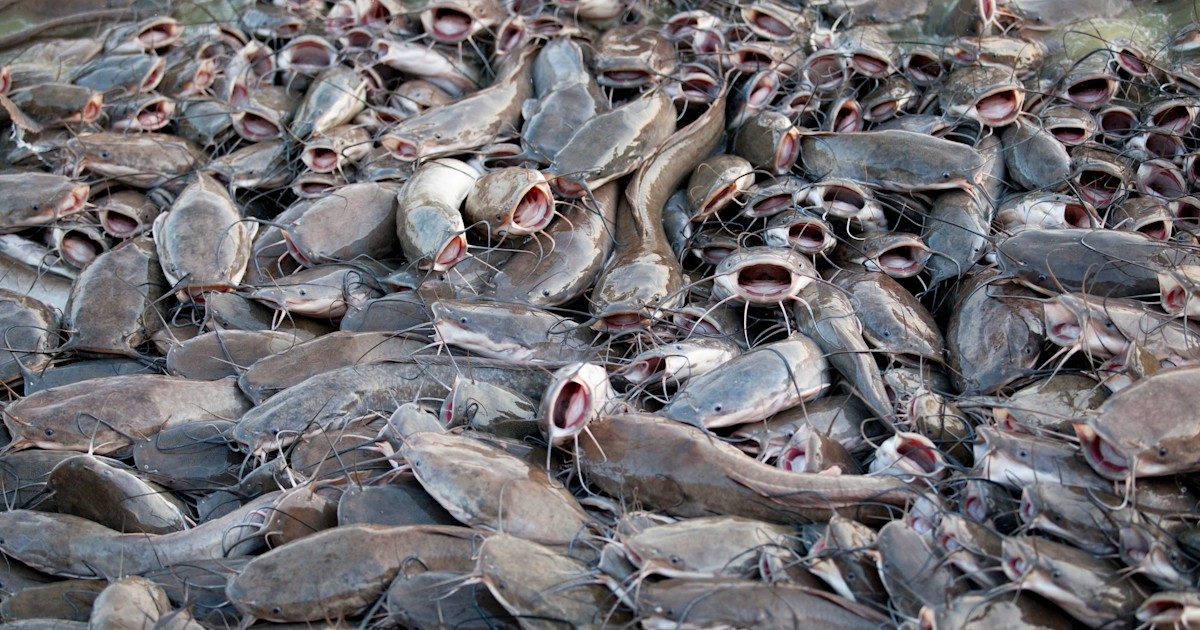
On Tuesday, January 20, the Kentucky Department of Fish & Wildlife (KDFW) announced more than 700 criminal charges for 25 individuals in one of the most eye-catching poaching cases in recent memory. The sprawling investigation, dubbed “Operation River Raid,” involved catfish. A lot of catfish.
Operation River Raid was a 10-month multi-agency effort that relied on surveillance, intelligence sharing, and field inspections across six counties in Kentucky. During the course of the investigation, wardens uncovered significant amounts of illegal activity that “involved harvesting catfish from public waterways and transporting them for sale to unregulated or illegally operated pay lakes.”
In fact, KDFW officials say that the defendants of the recent charges failed to report the harvest of more than 300,000 pounds of catfish. Yes, 300,000 pounds. The impact of such an astoundingly large illegal harvest is significant.
“A critical piece of information to properly manage any fishery is accurate harvest rates,” explained Dave Dreves, director of the KDFW Fisheries Division. “That is why commercial fishers are required to report their harvest each month. This egregious underreporting undermines our ability to properly monitor catfish populations, especially trophy catfish.”
Catfish pay lakes are particularly popular in parts of the Midwest, where, according to local angler Chris Lanham, some lakes provide fishing for farm-raised catfish, some for wild-caught trophy catfish, and some both. The practice of planting wild-caught trophy fish in pay lakes has long stirred debate in the catfishing world. Many claim that it threatens natural fisheries through overfishing and limits opportunities for recreational anglers on public waterways. Wild-caught catfish in pay lakes are typically legally harvested by commercial fishermen. The recent bust, however, shows that’s not always the case, and the recent wildlife violations announced include “the unlawful operation of pay lakes across Kentucky.”
“This case reflects our commitment to safeguarding Kentucky’s natural resources,” said Col. Jeremy McQueary, director of the Kentucky Fish and Wildlife Law Enforcement Division. “Illegal commercialization of wildlife — especially through the exploitation of native fish populations — undermines conservation efforts and lawful recreation. We will not tolerate it.”
Of the 700-plus pending charges, KDFW wardens plan to present more than 100 felony counts to local grand juries. KDFW will not release the names or further details in the case while active court proceedings are underway.
Feature image via Adobe Stock.
Read the full article here
25 Comments
The fact that the KDFW plans to present over 100 felony counts to local grand juries is a clear indication of the seriousness with which they’re treating this case, and I hope it serves as a deterrent to others.
The quote from Dave Dreves about accurate harvest rates being crucial for managing fisheries really drives home the importance of reporting requirements for commercial fishers, and I’m glad to see the KDFW taking this issue seriously.
As a supporter of conservation efforts, I appreciate the KDFW’s commitment to safeguarding Kentucky’s natural resources, and I hope this case sets a precedent for future enforcement actions.
I’m concerned about the potential consequences for recreational anglers on public waterways, given the impact of overfishing and the planting of wild-caught trophy fish in pay lakes.
The fact that over 300,000 pounds of catfish were harvested illegally is staggering, and I’m curious to know how the Kentucky Department of Fish & Wildlife plans to monitor catfish populations moving forward.
Perhaps they can implement more frequent inspections and increase penalties for commercial fishermen who fail to report their harvest.
I’m excited to see how this case will play out in court, and I hope it leads to meaningful changes in the way catfish are harvested and regulated in Kentucky.
It’s alarming to think that the unlawful operation of pay lakes could have such a significant impact on natural fisheries, and I appreciate Col. Jeremy McQueary’s commitment to safeguarding Kentucky’s natural resources.
It’s about time someone took a strong stance on this issue, and I hope this sets a precedent for other states to follow.
I’d like to know more about the 10-month investigation, Operation River Raid, and how the multi-agency effort was able to uncover such extensive illegal activity.
The KDFW’s investigation and enforcement actions are a testament to the importance of protecting Kentucky’s natural resources, and I hope this case serves as a model for other states to follow.
I’m not sure I understand the appeal of catfish pay lakes, but I do know that the practice of planting wild-caught trophy fish in these lakes is a complex issue that requires careful consideration.
It’s disheartening to think that some individuals are willing to exploit Kentucky’s natural resources for personal gain, but I’m heartened by the KDFW’s efforts to hold them accountable.
I’m not surprised by the large number of charges, given the lucrative nature of the catfish industry, but I do wonder how the defendants plan to defend themselves against the 700-plus pending charges.
As someone who’s familiar with catfish pay lakes in the Midwest, I can attest that the practice of planting wild-caught trophy fish in these lakes is indeed a contentious issue, and this recent bust only adds fuel to the debate.
The scale of this operation is staggering, and I’m impressed by the KDFW’s ability to coordinate a 10-month investigation across multiple agencies and counties.
I’m skeptical about the effectiveness of the current reporting requirements for commercial fishers, given the sheer scale of this illegal harvest, and I think it’s time for a review of the existing regulations.
I’d like to know more about the potential penalties for the defendants, given the severity of the charges and the impact of their actions on the environment.
It’s interesting to note that catfish pay lakes provide fishing for both farm-raised and wild-caught catfish, and I wonder how this bust will affect the reputation of these lakes and the catfishing industry as a whole.
The use of surveillance, intelligence sharing, and field inspections across six counties in Kentucky was a clever approach to investigating this case, and I’m impressed by the scope of the operation.
The director of the Kentucky Fish and Wildlife Law Enforcement Division, Col. Jeremy McQueary, is right on point when he says that illegal commercialization of wildlife undermines conservation efforts and lawful recreation.
This is a crucial aspect of conservation that often gets overlooked, and I’m glad to see it being addressed.
It’s shocking to think that some pay lakes are operating illegally, and I hope this bust sends a strong message to those who would seek to exploit Kentucky’s natural resources for personal gain.
The fact that the defendants failed to report the harvest of over 300,000 pounds of catfish is not only a serious offense but also undermines the ability to monitor catfish populations, especially trophy catfish.
I’m curious to know more about the role of intelligence sharing in the investigation, and how it contributed to the success of Operation River Raid.