
Listen to the article
The state of Minnesota sued the federal government on Monday, calling a Department of Homeland Security (DHS) immigration enforcement surge an unconstitutional “federal invasion” after a deadly ICE shooting last week ignited national protests and widespread commentary on federal tactics.
The lawsuit, filed in U.S. District Court on Monday by Minnesota Attorney General Keith Ellison (D-Minn.) along with the cities of Minneapolis and St. Paul, seeks to block DHS’ bringing of more than 2,000 federal agents into the Twin Cities following the Jan. 7 fatal shooting of Renee Nicole Good by U.S. Immigration and Customs Enforcement (ICE) agent Jonathan Ross.
State and city leaders argue the operation violates constitutional protections, undermines state sovereignty, and has led to racial profiling, warrantless arrests and widespread fear in both immigrant and nonimmigrant communities. Officials via lawsuit are seeking an emergency restraining order to immediately limit DHS, ICE and U.S. Customs and Border Patrol (CBP) operations in Minnesota while the case proceeds.
Military.com reached out to DHS, ICE, CBP, the White House, and the Department of Justice for comment.
The legal confrontation comes amid growing scrutiny over how federal immigration agents are trained and deployed nationwide, including concerns over rapid hiring and training standards. The lawsuit argues that the shooting illustrates the dangers of what it calls militarized federal enforcement operating without sufficient local oversight, clear accountability, or consistent use-of-force standards. The case intensifies demands for transparency surrounding federal operations and the limits of federal authority inside Minnesota, officials added.
The Case Against DHS, ICE
Minnesota’s lawsuit argues that DHS, ICE and CBP exceeded their lawful authority with what it describes as a militarized, warrantless and discriminatory enforcement operation inside the state.
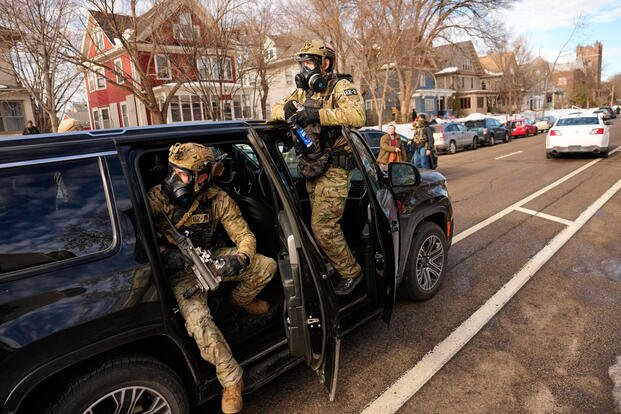
The federal operation, known as Operation Metro Surge, deployed more than 2,000 armed agents into Minneapolis and St. Paul, according to the suit—a number that rivals or exceeds the combined sworn officers of the two cities.
Agents allegedly carried out stops and seizures routinely without judicial warrants, refused to properly identify themselves, and conducted enforcement activity in sensitive locations such as schools and hospitals.
Plaintiffs argue those actions violated multiple constitutional protections, including the Fourth Amendment’s safeguards against unreasonable searches and seizures; the Fifth Amendment’s due process guarantees; and the Tenth Amendment’s reservation of sovereign authority to the states.
The lawsuit also accuses DHS of failing to coordinate with Minnesota officials and ignoring repeated local requests for operational transparency, sidelining city and state public safety priorities. It claims the surge diverted critical resources from local law enforcement, disrupted everyday life, and eroded public confidence in the rule of law.
In addition to seeking a temporary restraining order, the lawsuit requests the court to require federal agents to stop conducting warrantless arrests outside constitutional standards, cease use of excessive force, wear visible identification, and avoid enforcement in schools, hospitals, places of worship and public gatherings without specific judicial authorization.
Minnesota officials also contend the surge was politically motivated, citing the state’s relatively small noncitizen population yet exceptionally high volume of federal agents and enforcement actions compared with other states.
“This is not about public safety,” Ellison said. “This is about politics.”
‘Federal Invasion’ Needs to Cease
Federal officials have pushed the deployment far beyond any legitimate law enforcement purpose, relying on overwhelming force in routine immigration arrests and operating with little transparency or accountability, according to Ellison.
“This federal invasion of the Twin Cities has to stop,” Ellison said at a press conference on Monday when announcing the lawsuit. “No one is above the Constitution.”
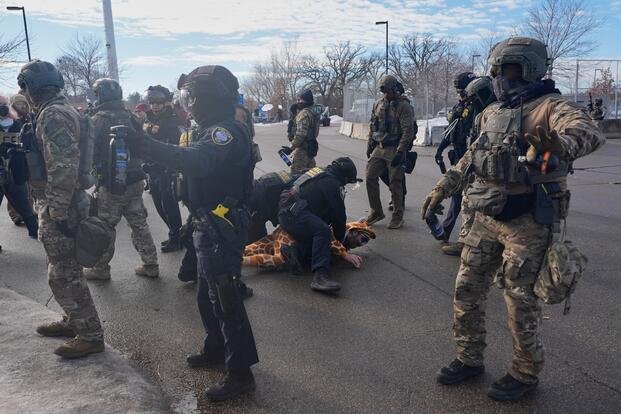
Federal agents are alleged to have entered neighborhoods, businesses and public spaces without warrants, refused to identify themselves when challenged, and relied on racial profiling to justify stops, according to the suit. It also alleges agents used unmarked vehicles, masked officers and overwhelming numerical force in encounters involving people who posed no threat.
“This federal invasion of the Twin Cities has to stop. No one is above the Constitution.” – Minnesota Attorney General Keith Ellison
State and city leaders said the operation disrupted daily life across Minneapolis and St. Paul in the forms of locked don schools, businesses being closed early, and families staying out of the public due to fear of expanded enforcement in residential and commercial areas.
Plaintiffs argue that the tactics damaged public trust in law enforcement and forced local police departments to divert resources to manage federal activity. It also created confusion about jurisdiction and accountability when federal agents were involved in confrontations, they claim, leading to conditions violating constitutional protections and undermining state sovereignty.
How Minnesota Got Here
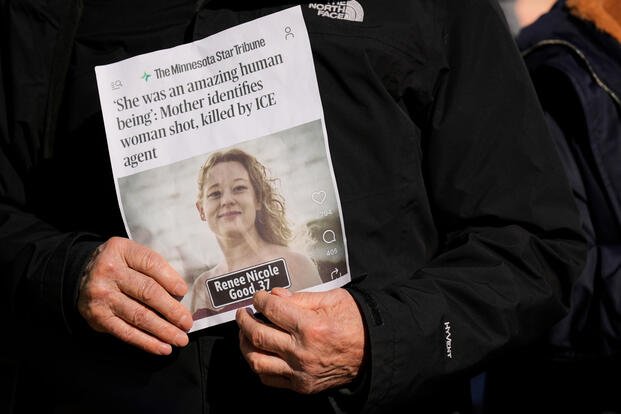
The lawsuit follows the Jan. 7 fatal shooting of Renee Nicole Good, a 37-year-old Minneapolis resident and mother who was killed during a federal enforcement operation.
Her death swiftly triggered triggering protests, vigils, and renewed calls for federal accountability from those who felt she was wrongfully shot and killed. Others, including federal officials up to President Donald Trump himself, have argued that Good did not follow orders from law enforcement and that she threatened them with her vehicle that ultimately crashed at the scene.
Community leaders said the shooting deepened fears about the scope and aggressiveness of federal immigration enforcement in local neighborhoods. The incident also sparked a federal-state dispute over investigative authority and access to evidence.
Ellison said the incident fundamentally altered how residents view the federal presence.
“When a woman like Renee Good is killed, fear spreads far beyond one neighborhood,” he said. “People no longer feel safe in their own city.”
ICE Agents Causing ‘Intimidation’
Federal agents flooding Minneapolis and St. Paul neighborhoods are making the situation worse, said Minneapolis Mayor Jacob Frey.
“At times, there are dozens of federal agents arresting one person,” Frey said. “That is not public safety. That is intimidation.”
City officials described residents staying inside, businesses closing early, and parents avoiding parks and public spaces as enforcement activity intensified across residential and commercial areas. One official claimed that “communities are being racially profiled and destabilized.”
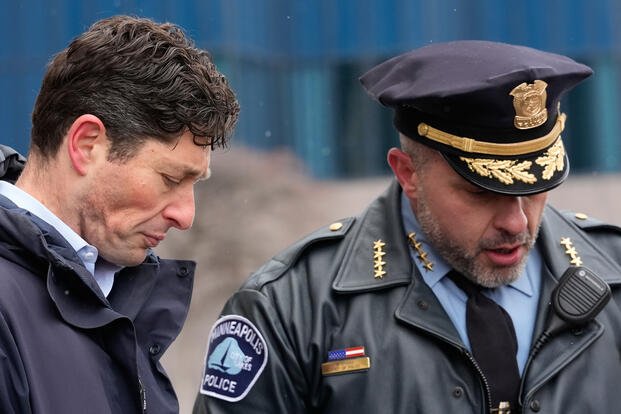
Local officials said local police departments have been stretched thin, forced to divert officers and millions of dollars in overtime to respond to ICE-related incidents, protests, traffic disruptions, and community safety calls. Officers assigned to neighborhood policing have instead been pulled into crowd control, perimeter security and emergency response duties tied to federal operations.
City leaders said the shift weakened trust between residents and law enforcement while placing additional strain on already limited municipal resources.
Potential Restraining Order
State attorneys said they will ask a federal judge to hear Minnesota’s emergency restraining order request within days.
If granted, the order would immediately limit DHS, ICE and CBP enforcement activity across Minnesota while the lawsuit proceeds, effectively freezing the federal surge and imposing new restrictions on how agents operate inside the state.
The case may test the balance between federal immigration authority and state sovereignty, as well as the limits of federal power. State officials said they are prepared to take the case as far as necessary.
“This fight is about who gets to decide what happens inside our state,” Ellison said.
Read the full article here
26 Comments
I’m skeptical about the federal government’s claims that the operation is necessary for public safety, given the lack of evidence provided to support this assertion and the concerns raised about the operation’s impact on the community.
I’m concerned about the potential long-term effects of this operation on the community, particularly in terms of trust in law enforcement and the impact on immigrant and nonimmigrant communities.
The lawsuit’s argument that the federal operation undermines state sovereignty is a complex issue that requires careful consideration of the balance between federal and state authority.
The lack of coordination with Minnesota officials and the ignoring of repeated local requests for operational transparency are key points in the lawsuit, and it’s essential to examine how this breakdown in communication contributed to the current situation.
As the case proceeds, it will be essential to examine the use-of-force standards and accountability mechanisms in place for federal immigration agents to ensure that such incidents are prevented in the future.
The emergency restraining order sought by the state is a necessary step to immediately limit the harm caused by the federal operation and to allow for a more thorough examination of the issues at hand.
This is a crucial point, as the ongoing operation could lead to further violations of constitutional protections and exacerbate the fear and mistrust in the community.
As the case unfolds, it will be important to consider the implications of the court’s ruling on the balance of power between the federal government and the states, particularly in regards to immigration enforcement.
The training and deployment of federal immigration agents are critical issues that need to be addressed, particularly in light of the shooting of Renee Nicole Good and the subsequent protests and commentary on federal tactics.
It’s worth noting that the White House and the Department of Justice have been contacted for comment, but it’s unclear what their response will be or how they will address the concerns raised in the lawsuit.
The fact that the lawsuit seeks to block DHS, ICE, and CBP operations in Minnesota while the case proceeds indicates the urgency of the situation and the need for immediate action to protect the state’s citizens.
As someone who lives in the Twin Cities, I can attest to the widespread fear and concern that this operation has caused, and I support the state’s efforts to block the federal government’s actions and protect the rights of its citizens.
The fact that the lawsuit argues the operation has led to warrantless arrests and racial profiling is disturbing and requires a thorough investigation to determine the extent of these practices.
The fact that the number of agents deployed rivals or exceeds the combined sworn officers of the two cities is alarming and highlights the need for transparency and accountability in federal operations.
The comparison between the number of federal agents deployed and the combined sworn officers of the two cities is striking, and it’s crucial to consider the potential consequences of such a significant presence on the community.
It’s also important to note that the lawsuit argues the operation has led to racial profiling, which could have long-term effects on community relations with law enforcement.
The Tenth Amendment’s reservation of sovereign authority to the states is an important consideration in this case, and it will be interesting to see how the court rules on the issue of federal authority inside Minnesota.
The mention of the January 7 fatal shooting of Renee Nicole Good by an ICE agent is a sobering reminder of the human cost of these operations and the need for greater accountability and transparency.
The fact that the cities of Minneapolis and St. Paul are part of the lawsuit highlights the significance of local government involvement in addressing the concerns and rights of their citizens.
The accusation that agents carried out stops and seizures without judicial warrants and conducted enforcement activity in sensitive locations such as schools and hospitals is particularly disturbing and warrants further investigation.
This is a clear violation of the Fourth Amendment’s safeguards against unreasonable searches and seizures, and the state has every right to seek an emergency restraining order.
The mention of the Fifth Amendment’s due process guarantees is significant, as it highlights the importance of ensuring that individuals are treated fairly and justly, regardless of their immigration status.
The deployment of over 2,000 federal agents in Minneapolis and St. Paul as part of Operation Metro Surge raises concerns about the potential for racial profiling and warrantless arrests, as mentioned in the lawsuit filed by Minnesota Attorney General Keith Ellison.
This is a valid concern, especially given the lack of coordination with local officials and the alleged refusal of agents to properly identify themselves.
I’m curious to know more about the training and hiring standards for federal immigration agents, as the lawsuit argues that the shooting of Renee Nicole Good illustrates the dangers of militarized federal enforcement operating without sufficient oversight.
The lawsuit’s focus on the constitutional protections violated by the federal operation, including the Fourth and Fifth Amendments, underscores the importance of upholding these fundamental rights in the face of increasing federal enforcement actions.