

Listen to the article
For many people, the holidays can be a stressful time, but particularly for veterans, the period from Thanksgiving to New Year’s Day can bring about depression, loneliness, anxiety, and isolation.
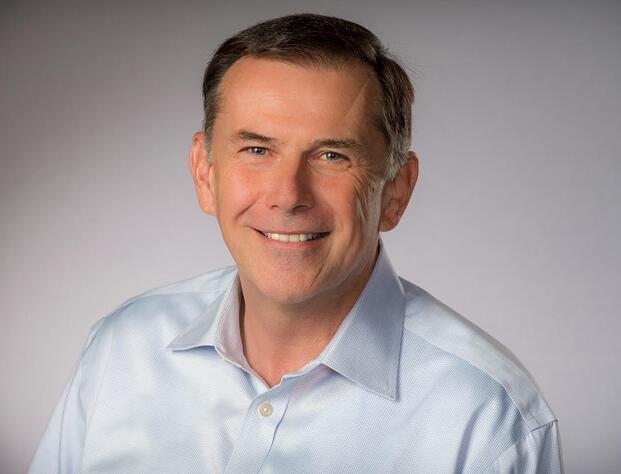
But there are places veterans can turn to for help. Jim Whaley is the CEO of Mission Roll Call, a nonprofit organization that advocates for veterans through research, polling, and first-person storytelling. Roll Call also provides various resources and opportunities for veterans to connect with other organizations.
Whaley, a retired lieutenant colonel, spent 20 years in the Army, which included deployments overseas and holidays spent away from his family back in the U.S. He had to rely on his military family, many of them going through the same circumstances, to ease the pain of loneliness and separation.
According to a recent nationwide survey by Mission Roll Call, 43 percent of veterans experience severe increases in PTSD during the holidays. Mental health challenges often lead to a spike in suicides during the season.
To help veterans kick holiday blues, Whaley said it’s vital for them to know there are outlets like Mission Roll Call that can help. The organization, which includes more than 1.3 million veterans and active-duty members, doesn’t minimize the effects of holiday stress but shows veterans ways to manage it.
“Reach out to a fellow veteran, reach out to a friend,” Whaley told Military.com. “If you’re thinking about somebody, get involved. We share a number of veteran support organizations you can plug into in your area.”
Whaley, who became a master aviator in the Army before working in public affairs at West Point Military Academy, believes experiences tend to become “amplified” in the military, and some veterans struggle to adjust to their new climates after serving.
“Life speeds up in the sense that when things are good, they’re really good, and when things are bad, they’re really bad,” he said. “There’s a heightened sense of emotion. When you’re in an organization, you’re with a group of people, and so even if you’re overseas during the holidays, they’re all in the same boat, so they kind of take care of each other. But when you’re separated from the service, it’s very difficult because you don’t have that anymore, and sometimes when you go back to your hometown, all your friends have left. Or you go into a new community, and you really don’t have that network anymore.”
Financial Burden During Holidays
Financial challenges can also lead to mental health anguish during the holidays. Whaley said 1 in 5 veterans have food insecurity issues.
“I use that term ‘food insecurity,’ but actually that’s financial insecurity,” Whaley said. “If you can’t buy food, it’s because you don’t have money.”
Most people enter the military knowing they’re not going to strike it rich. Rather, they serve for various reasons, such as earning money for college and civic pride. But when many veterans leave the military, they don’t have a sizable nest egg of savings to fall back on. If they find themselves in a financial rut, their fortunes can quickly turn poor.
“One in five with food insecurity – that’s pretty alarming,” Whaley said. “I think most Americans feel that is something that needs to be fixed. We shouldn’t have one in four veterans struggling to find food or not knowing where their next meal is going to be.”
Veterans struggling with civilian employment often bounce from job to job, trying to find the right fit. They’re attempting to rekindle that sense of purpose and camaraderie they enjoyed in the military. Others, suffering from mental health challenges, often clash with superiors and either get fired or quit, leading to more frustration.
“When you’re not doing well at your job, and you lose your job, you’re losing those valuable resources that can help you pull through,” Whaley said. “In many cases, you’re told to take the first job that you can get, and it’s not the one you really want, so you’re not happy.”
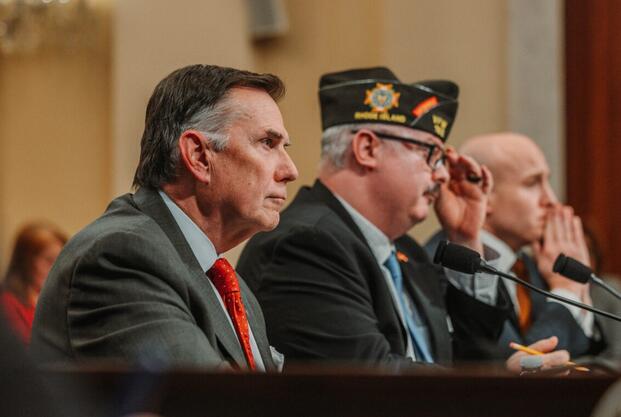
He said veterans struggle with transition because they’re used to working on large, important missions, and civilian jobs often don’t provide the same rush of energy.
“They want to be part of something bigger than themselves, and that sometimes is the challenge during the transition process,” Whaley said. “They’re in a unit that’s very important, and then they go to a job that they feel is not very important, or certainly not as high-speed as what they were doing in the military.”
Roll Call lists about 85 non-profit organizations on its website that specifically look for veteran job candidates.
“We actually urge veterans to go to another support organization and find their path,” Whaley said.
While many veterans do well after the military, earning degrees, starting businesses, or serving their communities, Whaley said it’s important not to forget those who are struggling.
“We’re still leaving some brothers and sisters behind. We’re not happy about that,” he said. “And we’re probably not going to be satisfied until there’s no homeless, and no suicides.”
He believes that veterans struggling with life after the military is a national security issue.
“If you see veterans not doing well, not growing, not plugging back into their community, how likely are you as a father, mother, teacher, or coach to recommend the next generation to serve their country? We have to make sure veterans have the skills to flourish,” Whaley said. “Every veteran, no matter where they’re from, raised their right hand, took an oath, and were willing to die for this country. That alone should make the investment in their success pretty clear.”
Suicides and Homelessness
Mission Roll Call is also working to obtain a more accurate account of homeless veterans and suicide numbers.
Each year, the Department of Veterans Affairs and the Department of Housing and Urban Development conduct a one-day tally to determine how many veterans are living on the streets. According to a census-style survey, last year’s number was about 33,000. But Whaley said those numbers are somewhat skewed.
“That doesn’t take into account a lot of rural areas and misses a lot of people that they may not have seen,” he said. “It also doesn’t consider people who are, in some cases, living on a neighbor’s couch or a friend’s couch. And some states don’t consider if you’re living in a tent or a car as ‘homeless.’ I don’t know about you, but if I’m living in a tent, I’m homeless.”
Whaley said California – home to the largest population of homeless – doesn’t participate in the annual survey.
“It’s hard to fix the problem when you don’t know the number you’re dealing with,” Whaley said.
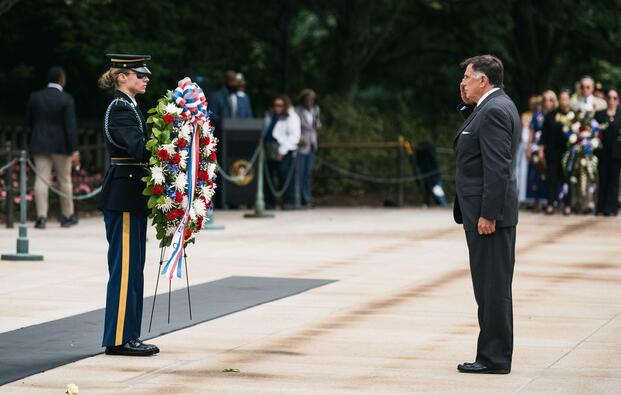
Mission Roll Call Works to Close the Gap
Less than 1 percent of the U.S. population are veterans, so many Americans can’t relate to their experiences. Whaley believes there’s a large disconnect between the general populace and those who served.
“We’re trying to make that connection through stories, through content development, through sharing our information and our research in a way that can help decision makers at every level make good decisions, and get bills passed that need to get passed,” Whaley said about Mission Roll Call.
Mission Roll Call polls veterans and family members, analyzes data, and shares it with local, state, and national politicians, the VA, and news outlets.
“We try to educate them on what veterans and their families really want,” Whaley said. “What are their needs? Where are the issues that need to be addressed?”
Mission Roll Call strives to give straight, cogent data based on poll results and research.
“We’re apolitical. We don’t choose a side, we just listen to what veterans say,” Whaley said. “But at the same time, we don’t filter it. We don’t say, ‘Well, we think they meant this.’”
Hearing about issues directly from veterans can be impactful and lead to positive changes.
“It’s empowering to let veterans know their voice matters,” he said.
Story Continues
Read the full article here
12 Comments
The fact that 1 in 5 veterans have food insecurity issues is a sobering reminder of the financial challenges many veterans face, and it’s essential that we address these underlying issues to support their mental health.
The emphasis on reaching out to fellow veterans and friends is crucial, as social support can play a significant role in mitigating the effects of holiday stress and anxiety.
Mission Roll Call’s approach to providing resources and opportunities for veterans to connect with other organizations is a valuable step in helping them manage holiday stress and build a support network.
I’m skeptical about how effective Mission Roll Call’s resources will be in reaching veterans who are struggling with holiday anxiety and depression, especially those in rural areas with limited access to support services.
I’m curious to know more about the specific resources and support services that Mission Roll Call offers to veterans, and how they plan to measure the effectiveness of their programs.
As someone who has experienced the challenges of adjusting to civilian life after serving, I appreciate Whaley’s insight that experiences tend to become ‘amplified’ in the military, making it difficult for some veterans to adjust to their new climates after serving.
It’s heartening to see organizations like Mission Roll Call working to support veterans during the holidays, and I hope that their efforts will help raise awareness about the challenges veterans face and the importance of providing them with the support they need.
The statistic that 43 percent of veterans experience severe increases in PTSD during the holidays is alarming and highlights the need for organizations like Mission Roll Call to provide support.
This is especially concerning given the already high rates of mental health challenges among veterans, and it’s crucial that we prioritize their well-being during this time.
Whaley’s comment that ‘life speeds up’ in the military, with heightened emotions and a sense of camaraderie, resonates with me, and it’s essential that we find ways to replicate this sense of community and support for veterans after they leave the service.
Jim Whaley’s experience as a retired lieutenant colonel and his understanding of the challenges veterans face during the holidays make him a compelling advocate for Mission Roll Call’s mission.
The survey finding that 43 percent of veterans experience severe increases in PTSD during the holidays underscores the need for targeted interventions and support services during this time, and I hope that Mission Roll Call’s efforts will help address this critical issue.