

Listen to the article
Fundamentals Series — Part 3
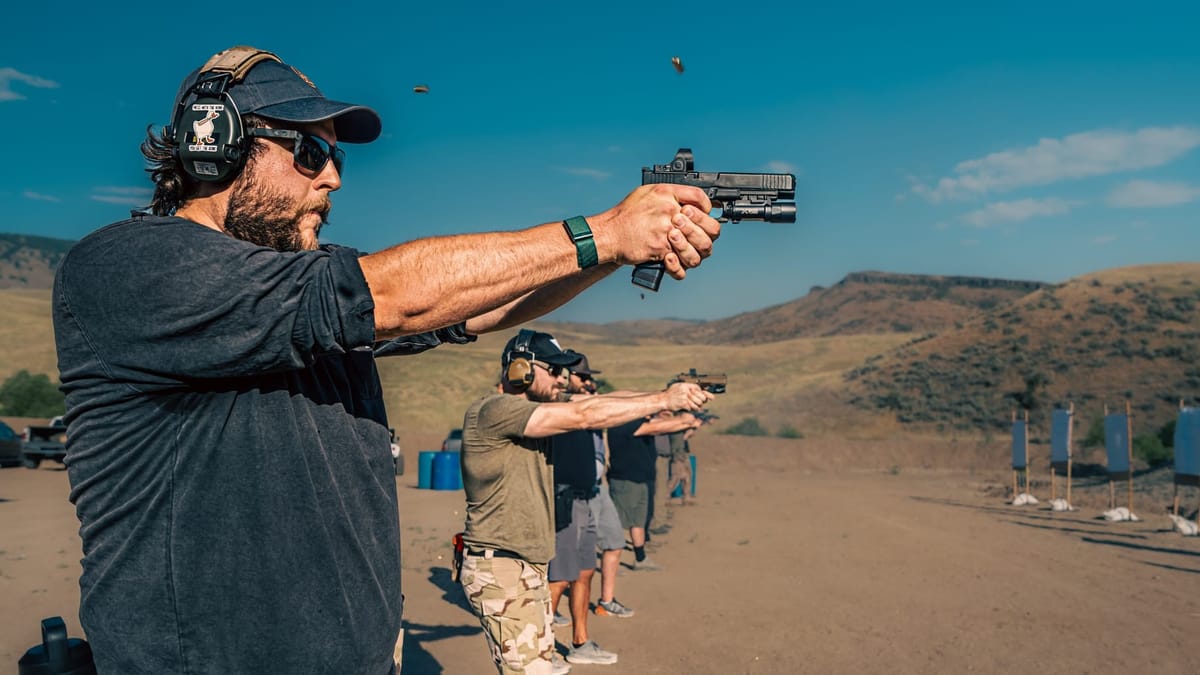
At Valiance Firearms Training (VFT), we view two things as the primary drivers of performance with a pistol:
Grip and trigger control.
If a shooter can maintain a high and tight grip that keeps the gun flat and apply consistent trigger control that minimizes movement, they can progress much further than most expect.
We coach other elements (stance, presentation, vision), but those are supporting elements. The big two are where we focus from day one.
Grip manages recoil.
Trigger control mitigates movement.
Together, they determine how efficiently the gun tracks and how quickly accurate hits can be delivered.
The Problem We Commonly See
The most common issue we see with trigger control is simple:
Shooters slap the trigger.
Instead of a controlled press, the trigger is engaged abruptly and released fully between shots. This introduces unnecessary movement into the gun at the exact moment stability matters most.
The result is consistent:
• The gun dips, pushes, or shifts off target
• The dot or sights leave where they should be
• Follow-up shots become less predictable
Just like grip, this is not a gun issue. It’s input from the shooter.
The Tip: Prep the Trigger and Maintain Tension
At VFT, we teach trigger control as a continuous process rather than a series of separate actions.
First, prep the trigger. Take up slack and begin engaging the trigger before the shot breaks, so less movement is required at the moment of ignition.
Second, keep the trigger under tension. After the shot, maintain contact and allow the trigger to reset with minimal forward movement rather than fully coming off and starting over.
This reduces unnecessary motion and keeps the gun more stable through the entire string of fire. It also plays a major role in addressing anticipation.
When shooters come fully off the trigger for every shot, they create more opportunity to anticipate the next break. By keeping the trigger under tension and limiting movement, the shooting process becomes more continuous, leaving less time for anticipation to develop and reinforcing better habits over time.
Coupling Grip and Trigger
When grip and trigger are working together properly:
• Recoil is managed effectively
• Movement introduced by the shooter is minimized
• The gun tracks flat and predictably
This allows the shooter to keep the dot on target through the entire string of fire and deliver rapid, effective hits without unnecessary correction.
Speed is not only about moving faster. It’s about removing inefficiency.
Drill Highlight: The Bill Drill
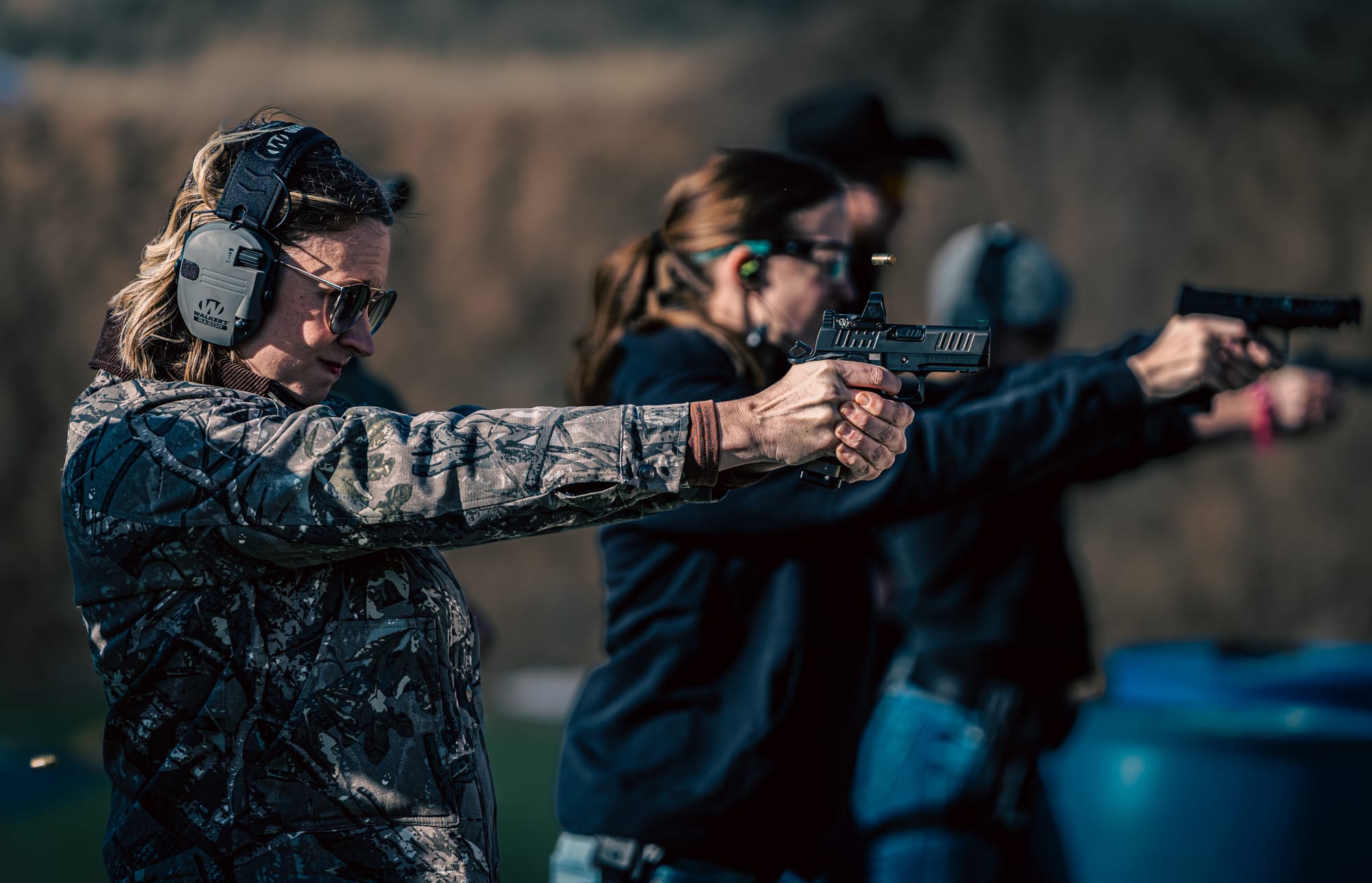
The Bill Drill is an excellent tool for evaluating trigger control.
Six rounds on target as quickly as you can shoot effectively will quickly expose how the trigger is being managed.
If the trigger is being slapped, the gun will show it immediately through inconsistent movement and less predictable hits.
If the trigger is prepped and kept under tension, the gun tracks flatter, the dot stays more consistent, and the shots come together cleanly.
It’s a simple drill that highlights a critical skill.
The Bigger Picture
Trigger control is not just about pressing the trigger without disturbing the sights.
It’s about managing input into the gun so that everything works together (grip, trigger, and recoil management) to produce consistent, repeatable performance.
That level of control takes repetition.
Having ammo available and ready removes friction from your training and allows you to focus on building these habits. Ammo Squared makes it easy to stay stocked so your training sessions are always ready to execute.
Stack your ammo.
Train with intent.
Repeat the process.
Because fundamentals aren’t proven when it’s easy, they’re proven under difficulty, disruption, and stress.
And once trigger control is consistent, the next step is learning how to apply it: building a controlled cadence that keeps the gun working with you, not against you.
Read the full article here
6 Comments
This is very helpful information. Appreciate the detailed analysis.
Solid analysis. Will be watching this space.
I’ve been following this closely. Good to see the latest updates.
Interesting update on Trigger Control: Minimizing Movement for Maximum Performance. Looking forward to seeing how this develops.
Good point. Watching closely.
Great insights on Defense. Thanks for sharing!