

Listen to the article
The U.S. military has launched a new wave of lethal strikes on alleged drug trafficking boats in the eastern Pacific, pushing the death toll past 100 and accelerating a campaign that has moved beyond traditional drug interdictions at sea.
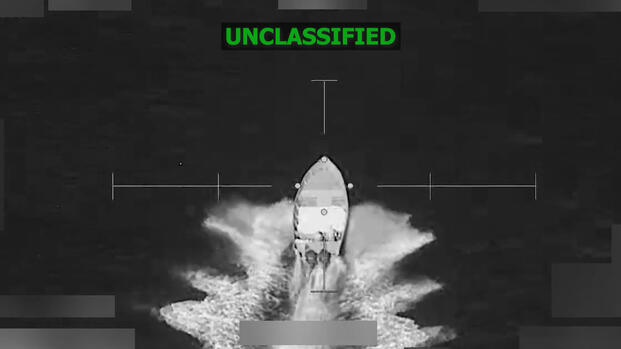
The strikes, carried out Dec. 17 and 18 in international waters, targeted three additional vessels that the U.S. military said were tied to narco-terrorist networks operating along major drug smuggling routes in the region. The latest military action follows strikes on Dec. 15 that killed eight people aboard three boats, pushing the number of casualties beyond 100 people since strikes commenced in September. The newest action marks the most aggressive phase yet of a campaign the Trump administration has framed as an armed conflict aimed at disrupting illicit drug flows before they reach the United States.
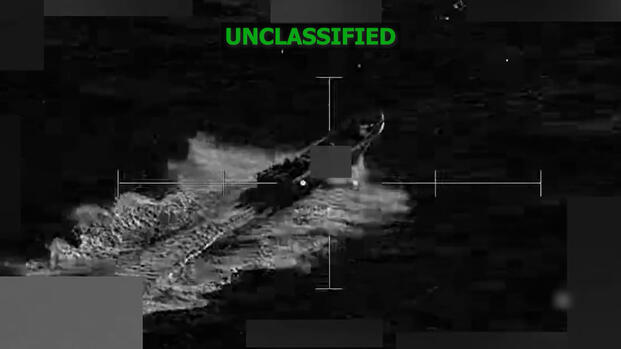
U.S. officials said intelligence showed the vessels were actively engaged in narcotics trafficking when they were struck. U.S. Southern Command said no U.S. personnel were injured and released video showing boats maneuvering in open water moments before being destroyed in what it described as lethal kinetic strikes. A Pentagon duty officer directed Military.com to a post outlining the latest strikes and imagery tied to the operation.
U.S. military strikes on suspected drug-smuggling vessels in the Pacific have raised legal questions among lawmakers and foreign policy experts as the Trump administration expands the use of lethal force in counter-narcotics operations.
In one of the most recent actions, Joint Task Force Southern Spear carried out a lethal kinetic strike Dec. 17 on a vessel operating along a known narco-trafficking route in the eastern Pacific, killing four alleged narco-terrorists, according to SOUTHCOM.
The operations fall under Operation Southern Spear—a mission launched earlier this fall that has now involved more than 25 strikes across the Pacific and Caribbean, according to U.S. officials. Operation Southern Spear has been described as a campaign that began with Caribbean and Pacific patrols and has expanded alongside a large U.S. naval presence in the region, drawing reaction both at home and abroad.
The Pentagon has not released underlying intelligence supporting the strikes, and details about the vessel and those aboard remain classified.
Administration Defends Strikes as Lawful
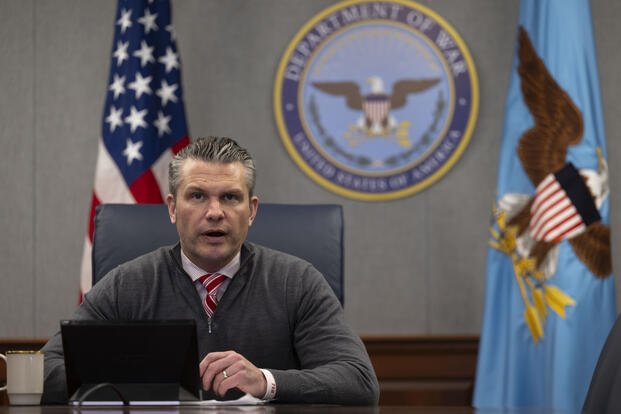
The campaign continues under the direction of Defense Secretary Pete Hegseth. Administration officials have said it’s necessary to confront narco-terrorist groups that fund broader criminal and destabilizing activity across the region.
Officials argue the strikes are authorized under U.S. law and comply with the law of armed conflict, even as operations unfold far from U.S. territory and outside traditional battlefields—a posture that has drawn scrutiny from lawmakers and legal experts.
Lawmakers have heard detailed testimony from senior Navy leadership on how strike decisions are made, with members raising questions about legal authority, targeting standards and civilian safeguards.
Coast Guard Role in Maritime Crackdown
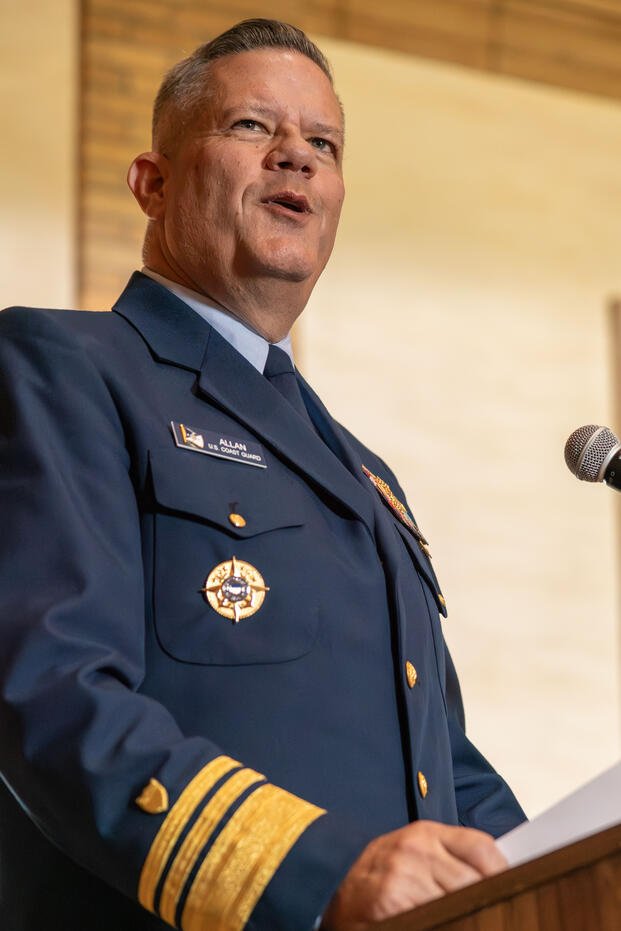
The U.S. Coast Guard said it remains part of a broader government effort to counter narco-terrorism. DOD leads lethal military operations, of course, and provides maritime authorities, intelligence support, and interdiction capabilities across the region.
“The U.S. Coast Guard continues to provide its powerful authorities and capabilities across the maritime domain to counter narco-terrorism and stop the flow of deadly drugs before they reach our shores,” a Coast Guard spokesperson told Military.com. “We are part of a whole of government approach to control, secure and defend U.S. borders and maritime approaches by dismantling Foreign Terrorist Organizations and Transnational Criminal Organizations, including drug and human smuggling operations.”
U.S. Pressure Builds on Venezuela
The stepped-up use of force at sea is unfolding alongside widening U.S. maritime pressure near Venezuela, where American forces are also pursuing oil tankers suspected of helping Caracas evade U.S. sanctions.
U.S. officials said those efforts are aimed at disrupting revenue streams that fuel illicit networks and undermine regional security, extending the campaign beyond drug-smuggling vessels into energy and financial enforcement.
The actions have heightened tensions with Venezuelan President Nicolás Maduro, whose government has denounced the strikes and tanker pursuits as aggressive and politically motivated. Analysts said that overlapping military strikes and sanctions enforcement risk further straining already fragile regional relations, while the Trump administration argues the pressure is necessary to curb transnational criminal activity and limit Venezuela’s ability to skirt international restrictions.
The rising death toll is drawing renewed scrutiny on Capitol Hill, where lawmakers from both parties—including members of the House and Senate Armed Services and Foreign Affairs committees—are pressing the administration for more detail on legal authority, intelligence standards, and safeguards to prevent civilian harm.
Hegseth and Secretary of State Marco Rubio have briefed House and Senate members on the expanding scope of the campaign and its strategic rationale, according to officials familiar with the discussions.
Critics warn the operations could test international law boundaries if evidence remains classified. Pentagon officials counter that the strikes are lawful, carefully targeted, and overall necessary to disrupt transnational criminal networks.
Story Continues
Read the full article here
21 Comments
The military’s release of video showing boats maneuvering in open water moments before being destroyed is a powerful visual representation of the intensity of these operations,
The U.S. military’s actions in the Pacific have significant implications for regional security, and it’s crucial to consider the potential reactions of other countries in the region, particularly China,
The use of lethal force in counter-narcotics operations raises important questions about the role of the military in addressing this issue, and it’s essential to have a nuanced debate about the potential risks and benefits of these actions,
It’s essential to consider the human cost of these strikes, particularly the families of those who have been killed or injured, and to ensure that the military is taking all necessary precautions to minimize harm to civilians,
The fact that the Trump administration has framed this campaign as an armed conflict suggests that they’re committed to a military solution to the drug problem, which could have significant implications for the region and beyond,
I’m curious to know more about the role of Joint Task Force Southern Spear in these operations and how they’re coordinating with other agencies to disrupt narco-terrorist networks,
The number of casualties since strikes commenced in September is alarming, and it’s essential to have a thorough investigation into the circumstances surrounding these deaths,
The fact that the Pentagon has not released underlying intelligence supporting the strikes makes it difficult to assess the legitimacy of these actions and the potential risks of civilian casualties,
The latest strikes on December 17 and 18 have pushed the death toll past 100, which raises concerns about the effectiveness of this campaign in disrupting illicit drug flows,
I’m wondering what kind of impact these strikes will have on the drug trade in the long run, as it’s possible that these actions could simply push the problem elsewhere,
I’m concerned about the potential for mission creep in these operations, as the military’s involvement in counter-narcotics operations could lead to further escalation and unintended consequences,
Operation Southern Spear has involved more than 25 strikes across the Pacific and Caribbean, which is a significant escalation of the U.S. military’s involvement in counter-narcotics operations,
The Trump administration’s framing of this campaign as an armed conflict aimed at disrupting illicit drug flows before they reach the United States is a worrying development, as it could lead to further militarization of the region,
The fact that the Pentagon has released video of the strikes suggests that they’re trying to demonstrate the effectiveness of these operations and build public support for the campaign,
The fact that Secretary of War Pete Hegseth has directed these strikes and is hosting holiday morale calls with deployed troops suggests that the administration is committed to seeing this campaign through, despite potential criticism,
The fact that no U.S. personnel were injured in these strikes is a testament to the military’s capabilities, but it’s also important to consider the potential long-term consequences of these actions on regional stability,
I’m supportive of the military’s efforts to disrupt narco-terrorist networks, but it’s essential to ensure that these actions are proportionate and comply with international law,
I’m skeptical about the intelligence showing the vessels were actively engaged in narcotics trafficking, especially since the Pentagon hasn’t released any underlying evidence to support these claims,
The U.S. military’s actions in the Pacific are part of a broader effort to assert American influence in the region, and it’s crucial to consider the potential implications of these actions for regional stability and global security,
The use of lethal kinetic strikes on suspected drug-smuggling vessels raises legal questions, and it’s essential to have a transparent and public debate about the implications of these actions,
It’s concerning that details about the vessels and those aboard remain classified, as this lack of transparency could undermine trust in the military’s actions and make it difficult to assess the effectiveness of these strikes,