

Listen to the article
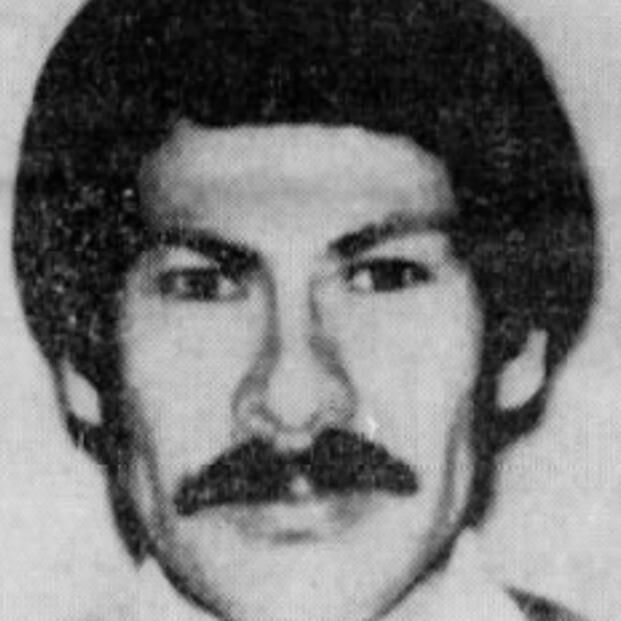
For more than 40 years, Fernando Cota’s final resting place was Fort Sam Houston National Cemetery in San Antonio, Texas. The Vietnam War Army veteran was buried there after dying by suicide in 1984.
But after Cota’s grizzly past came to light, and under a new federal law, the convicted rapist and alleged serial murderer will no longer spend eternity at the veterans’ cemetery. Under the National Defense Authorization Act, officials plan to exhume Cota’s grave and re-bury him at another cemetery.
Along with the rape conviction, Cota was the leading suspect in the murders of six women. He killed himself more than 40 years ago after being stopped by police.
Sen. John Cornyn (R-Texas), co-sponsor of the bill before it was signed into law by President Trump, said in a statement to KSAT in San Antonio that Fort Sam Houston is no place for Cota.
“Fort Sam Houston National Cemetery is a sacred resting place for more than 170,000 respected veterans and their loved ones, and it would be a slap in the face to each one of them to allow Fernando Cota, a convicted rapist and alleged serial murderer, to remain buried amongst such heroes,” said Cornyn.
“This law rightfully directs the Secretary of Veterans Affairs to disinter Cota’s remains from Fort Sam Houston to be in keeping with current law and deliver justice for victims’ families.”
A Life of Crime and Disfunction
Cota lived a bizarre and frightening life after leaving the military.
He received his draft notice to join the Army in the mid-1960s and served in Vietnam. Living in California after service, he was charged with sexual assault multiple times and police eventually linked him to the deaths of six women in San Jose, California, according to a press release from Cornyn’s office.
He was found guilty of rape in 1975 after binding a nurse and sexually assaulting her in El Paso, Texas. He spent eight years in a Texas prison before being released on parole in 1983.
The following year, police pulled Cota over for driving erratically. After officers requested to look inside his van, he said, “I’m a very sick man.” He then pulled out a gun and shot himself to death.
In the van, police spotted a wooden box containing a body – 21-year-old Kim Marie Dunham who was reported missing a day earlier.
Following his suicide, detectives searched Cota’s house and were aghast at what they found; a small prison cell where he likely tortured victims, containing handcuffs, leg shackles and a peephole. Through fingerprints on the cell’s walls, investigators were able to identify the women who faced death in that brutal chamber through strangulation, beatings or stabbings.
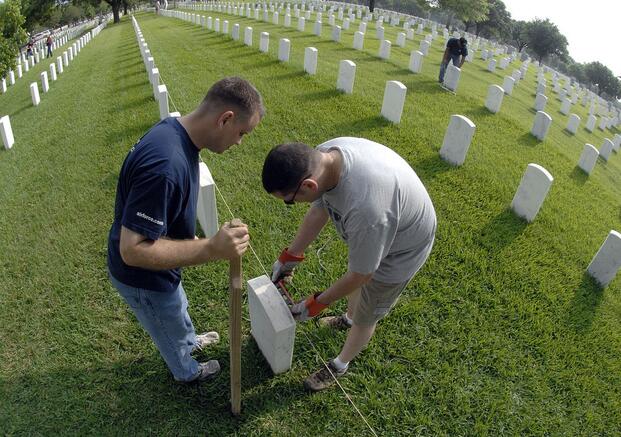
According to police, Cota also had false identification, a fake police badge, women’s clothing, including six pairs of shoes, and fliers the veteran posted throughout the San Jose University campus looking for roommates.
Veterans convicted of such heinous crimes are exempt from burial at national cemeteries, however that law wasn’t in the books when Cota was buried in 1984.
Sen. Ted Cruz (R-Texas) also sponsored the National Defense Authorization Act.
“A convicted rapist should not be buried with honor among our nation’s heroes,” Cruz said in a statement.
Victim’s Son Sparks Action
The push to remove Cota’s grave from the national veterans’ cemetery began when the son of Teresa Sunder, who was allegedly killed by Cota, created a petition pushing Congress to intervene.
Now, the removal of Cota’s remains will be in the hands of the Department of Veterans Affairs’ National Cemetery Administration, which has not released a timetable for disinterment, but a representative from Cornyn’s office informed KSAT that removal should be complete in less than a year.
Read the full article here
27 Comments
I’m glad to see that the Secretary of Veterans Affairs is taking steps to address this issue and ensure that those who have committed crimes are not buried in national cemeteries.
The details of Cota’s arrest and subsequent suicide are a reminder that justice can be served, even if it’s not always in the way we expect.
It’s heartbreaking to think about the families of the victims, including 21-year-old Kim Marie Dunham, who was found dead in Cota’s van, and how they must have felt knowing that their loved one’s killer was buried in a place of honor.
I’m grateful for the work of the detectives who investigated Cota’s crimes and were able to identify the women who faced death in his brutal chamber.
It’s interesting to note that Cota’s time in Vietnam may have played a role in his subsequent actions, and I wonder if there will be further investigation into the effects of war on those who serve.
It’s a complex issue, and while it’s impossible to know for certain, it’s possible that Cota’s experiences in Vietnam contributed to his later behavior.
The details of Cota’s life, including his time in Vietnam and his subsequent crimes, are a reminder that even those who have served their country can be capable of terrible things.
The fact that Cota was able to create a fake prison cell in his house, complete with handcuffs and leg shackles, is a chilling example of his planning and preparation.
It’s shocking to learn that Cota was linked to the deaths of six women in San Jose, California, and was found guilty of rape in 1975, yet he was still buried in a cemetery meant for respected veterans.
The quote from Sen. John Cornyn, stating that Fort Sam Houston National Cemetery is a ‘sacred resting place for more than 170,000 respected veterans and their loved ones’, highlights the importance of removing Cota’s remains from the cemetery.
It’s surprising that it took over 40 years for Cota’s past to come to light and for action to be taken, and I hope that this case will lead to a review of other similar situations.
The fact that Fernando Cota was able to spend over 40 years in a national cemetery despite being a convicted rapist and alleged serial murderer is disturbing, and I agree with Sen. John Cornyn that his remains should be removed from Fort Sam Houston National Cemetery.
I’m curious to know more about the new federal law that led to the decision to exhume Cota’s grave, and how it will affect other cases like this in the future.
The National Defense Authorization Act is a step in the right direction, as it ensures that those who have committed heinous crimes are not honored in the same way as true heroes.
The removal of Cota’s remains from the cemetery is a step towards healing and closure for the families of the victims, and I hope it will bring them some sense of peace.
The description of the small prison cell in Cota’s house, where he likely tortured his victims, is horrifying, and it’s a reminder of the evil that he was capable of.
It’s a relief that the law has finally caught up with Cota, even if it is posthumously, and that his remains will be removed from the cemetery.
I’m curious to know more about the process of exhuming Cota’s grave and re-burying him in another cemetery, and how it will be handled.
The fact that Cota was a leading suspect in the murders of six women, and was found guilty of rape, makes it even more disturbing that he was buried in a national cemetery for so long.
The fact that Cota was able to create a fake police badge and obtain false identification is a disturbing example of how he was able to manipulate and deceive those around him.
It’s a reminder that justice is not always swift, but it is eventually served, and I hope that this case will serve as an example of that.
I support the decision to remove Cota’s remains from the cemetery, as it’s a matter of respect for the other veterans and their families who are buried there.
It’s about time that something was done to address this issue, and I hope it brings some closure to the families of the victims.
It’s a shame that it took so long for Cota’s victims to receive justice, but I’m glad that their families will finally have some closure.
The image of the wooden box containing Kim Marie Dunham’s body in Cota’s van is a haunting reminder of the brutality of his crimes.
The fact that Cota was able to bind and sexually assault a nurse in El Paso, Texas, and was later found guilty of rape, is a disturbing example of his violent tendencies.
I’m concerned that there may be other cases like Cota’s, where individuals with similar backgrounds and crimes are buried in national cemeteries, and I hope that this will lead to a thorough review of all such cases.