

Listen to the article
My state boasts one of the longest rifle seasons in the country. While there are a few “primitive weapon” seasons scattered throughout on public lands, folks can gun hunt on private land from the weekend before Thanksgiving to the end of January. That’s two and a half months of gun season for you folks up North that complain about the orange armies flooding the woods for a whole week or two. With nearly a quarter of the year dedicated to gun season, you’d think most hunters could kill a deer from the hip, but that’s just not the case.
After working in a gun shop for nearly a decade, I saw hunter after hunter swap rifles, thinking it would cure their shooting woes. I’d bet 90% (or more) of gun hunters only shoot their rifle just before the season opens to make sure it’s “on.”
I’d also bet that “on” for most hunters constitutes hitting a paper plate at 100 yards. This type of marksmanship, or lack thereof, doesn’t account for the quick, offhand, or abnormal shooting positions that you encounter in the woods. You can buy the best deer hunting rifles, but they won’t make up for bad shooting. Whether you’re toting a hand-me-down or a brand new rifle, a little practice can turn any rifle into a reliable hunting rig.
The Best Rifle…
Is the one you already own. Mistakes and missed (or unrecovered) deer color the way we view certain rifles or cartridges. On the other side of that coin, we build pedestals from successful hunts or taxidermy bills to immortalize others. The truth is, shot placement plays a much larger role than you might think.
No, you don’t need sub-MOA capabilities from your rifle, but you do need to be able to consistently hit your mark in a variety of shooting positions. That type of marksmanship only comes from (drumroll) practice.
Shooting Drills
Everyone looks like a pro at the range, propped on bags or the best shooting rests. Throw in a spiked heart rate, running deer, or an offhand shot, and the most seasoned hunters can look silly. Unless you’re taking all your shots from a shooting house, you need to practice shooting drills to emulate the types of positions and scenarios that you might encounter in the woods.
Offhand
Most missed deer stories start with an offhand shot. They’re understandably difficult, especially if you don’t practice them. Still, you might find yourself in a situation where you have to make a quick shot with no rest. If you’re not practiced, I would advise against it. Otherwise, get some reps in at the range.
Offhand shots shouldn’t be more than 100 yards, and even that distance is difficult. If you’ve never practiced this at the range, you might be surprised at how your groups change from the bench to a standing offhand position. Start at 25 yards, regardless of your rifle or scope. You can then work your way to 100 yards, but start building confidence with closer shots. Focus on controlling your breathing, squeezing the trigger, and staying on target even after the shot. After logging some good reps, graduate to a moving target.
Running Shot
Before the rise of treestands, running shots were a given. Nowadays, they’re scoffed at or neglected altogether. Yet, they remain a dying art that every hunter should practice.
There are a few cheap ways to do this. I know some deer dog hunters who practiced on swinging jugs or pieces of plywood shoved into the middle of tires so they could roll their target. It’s about the cheapest and closest thing to simulate a running deer.
If you need a humbling day at the range, try shooting a swinging milk jug at fifty yards. Oh, and start with your rifle slung on your back or down at your side like you would if you were still-hunting through the woods. If you’ve never tried it before, make sure you have plenty of ammo and a good backstop.
Kneeling or Propped Positions
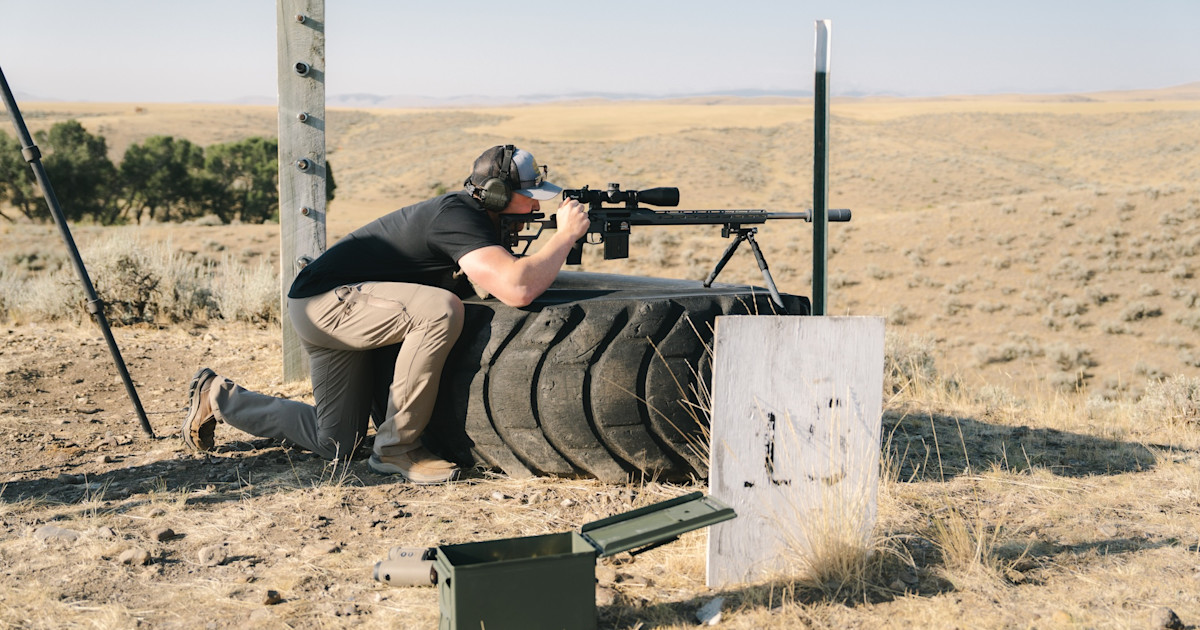
The majority of shots you’ll take in the field will probably be kneeling or propped against a tree. While these might come natural or feel the most stable, you still need to practice them at the range.
While you can’t simulate buck fever, you can do some jumping jacks to get your heart rate up. You don’t have to go crazy, just something to get you breathing harder. Then, shoot from a kneeling or propped position. Practice breath control and squeezing the trigger. Again, you won’t exactly replicate a hunting scenario, but it’s close enough.
Last Shot
You don’t have to graduate from sniper school to be a good shot in the deer woods. In fact, practicing with a .22 or even dry fire drills can help you perform better shots. Develop a loosely structured shooting routine, and you’ll notice a major difference come rifle season. Sure, it’ll cost you more in ammo, but you’ll (hopefully) cut down on your misses.
Read the full article here
17 Comments
I agree that the best rifle is the one you already own, as it’s not the rifle that makes the hunter, but rather the hunter’s skill and practice that makes the rifle effective.
The advice against taking offhand shots beyond 100 yards unless well-practiced is wise, as it acknowledges the difficulty and potential for error in such situations.
The idea that hitting a paper plate at 100 yards is often considered ‘on’ for many hunters is somewhat concerning, as it may not adequately prepare them for the variety of shooting positions and scenarios encountered in the woods.
The fact that nearly a quarter of the year is dedicated to gun season in your state and yet most hunters still struggle with shooting woes is quite surprising, highlighting the importance of practice over new equipment.
I’ve seen this firsthand, where experienced hunters still miss easy shots due to lack of practice outside of the usual range conditions.
The comparison between shooting at the range and actual hunting scenarios, where factors like a spiked heart rate and moving targets come into play, is a critical distinction that many hunters may overlook.
This is where the value of practice in simulating real-world conditions becomes most apparent, helping to bridge the gap between range shooting and hunting effectiveness.
The point that mistakes and missed deer can color a hunter’s view of their rifle or cartridge, while successes can immortalize them, underscores the psychological aspect of hunting and the importance of objective self-assessment.
Starting offhand practice at 25 yards and gradually increasing the distance to 100 yards is a sound approach, as it allows hunters to build confidence and improve their technique in a controlled manner.
The statistic that 90% of gun hunters only shoot their rifle just before the season opens is alarming, as it shows a lack of dedication to improving their marksmanship skills throughout the year.
It’s interesting to note that the most seasoned hunters can look silly when faced with offhand shots or running deer, highlighting that even experience doesn’t replace the need for continuous practice.
The mention of controlling breathing, squeezing the trigger, and staying on target even after the shot as key elements of offhand shooting technique is spot on, as these are often overlooked but critical skills.
The suggestion to practice shooting drills, especially offhand shots, is crucial for improving hunting skills, as it prepares hunters for the unpredictable nature of real hunting situations.
The emphasis on shot placement over the need for sub-MOA capabilities from a rifle is well-taken, as it’s the hunter’s ability to consistently hit their mark that matters most.
This is especially true in real-world hunting scenarios where the shot is not always from a perfect position.
The fact that two and a half months of gun season doesn’t necessarily translate to better shooting skills among hunters is a testament to the need for consistent practice and training throughout the year.
The emphasis on practice as the key to turning any rifle into a reliable hunting rig is well-placed, as it shifts the focus from the equipment to the hunter’s skills and abilities.