

Listen to the article
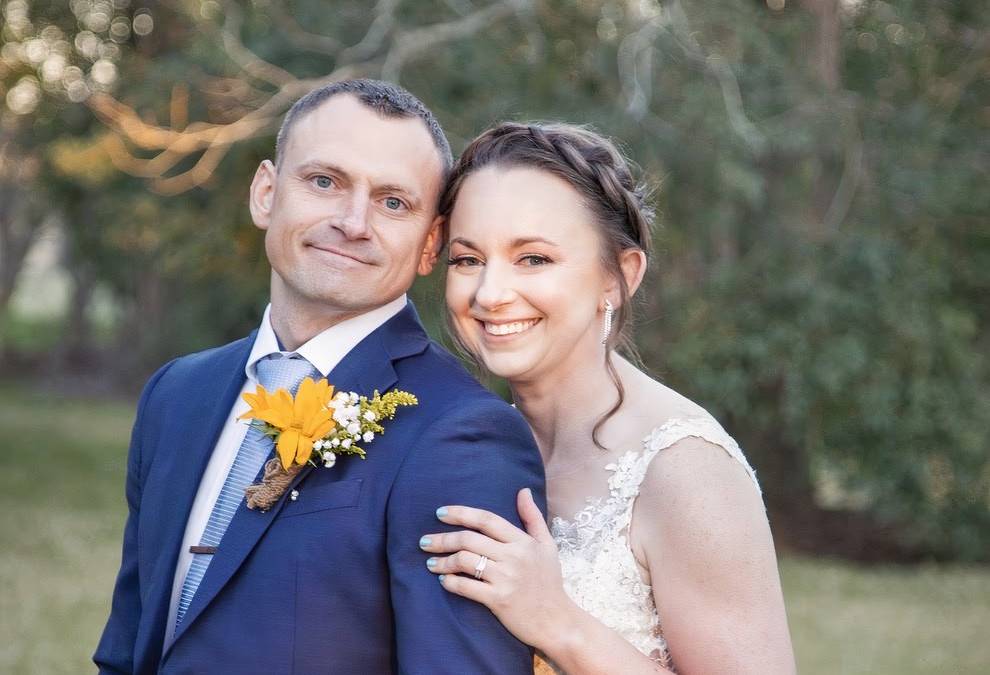
Brittany Knauer’s life turned upside down on Nov. 4, 2025.
That’s the day her husband, Marine Corps veteran Kane Knauer, died by suicide. He was 38 years old.
While she had seen some signs of depression and isolation in her husband, Kane’s suicide was a shocking blow. After all, the couple had just returned from Kane’s sister’s wedding. A joyous occasion where Brittany watched Kane dance, smile and laugh.
How could this have happened?
After the suicide, Knauer was left alone to pick up the pieces of her shattered life. She didn’t know where to turn for help. Eventually, she found a lifeline, Green Star Families of America, a veteran-led nonprofit organization advocating for recognition of families left behind after veteran suicide loss through proposed federal legislation (H.R. 6022) and the Green Star Service Banner initiative, a national symbol like Gold Star and Blue Star banners.
The organization, founded by former Army medic Matt Cahill in 2020, has been hearing from widows like Knauer that there has never really been a place for them to properly grieve inside the military community.
“Suicide adds layers of grief, stigma, questions, guilt, shunning and the feeling that their veteran’s service has somehow been erased by the way they died,” Cahill told Military.com.
“These families are the future of our voluntary force, and they need help to heal from all of it.”
Green Star Families of America works to fill that void through storytelling, advocacy, forging communities and working with legislators to make sure families devastated by veteran suicide aren’t left behind.
“I miss so much about Kane, but especially the daily, little things, like when he pulled into the driveway with his truck. It had glass packs, so I always knew when he was home,” Knauer told Military.com. “He always made sure I was taken care of. I never had to doubt that he loved me because he showed me every day. I just don’t want him to be forgotten.”
Natalie Brett, who suffered a similar fate as Knauer, said when her husband died, people didn’t know how to talk to her and her family.
“We were not a Blue Star family. We were not a Gold Star family. There was no place for families like ours,” Brett said in a press release.
Survivor’s Guilt
Cpl. Kane Knauer served in the Marine Corps from 2008 to 2012. He was deployed to Afghanistan twice during some of the war’s most intense fighting.
“He had a servant’s heart,” Brittany said. “Even when he was deployed, he wanted to go there to help people. That was his way to show he cared.”
As a squad leader during his second deployment, Knauer witnessed pain and loss up close, and he developed post-traumatic stress disorder (PTSD).

Being a social butterfly and deeply loyal and protective of friends and family, Brittany thought it was odd when Kane started dismissing texts and avoiding calls from close friends.
“With his social anxiety, he just didn’t enjoy being out in public anymore. He began isolating himself from friends,” Brittany said. “I would say, ‘Hey, so-and-so texted you three times, and you haven’t texted back in like two days, what do you want me to text them?’ And he would say something like, ‘They don’t care. They won’t notice I haven’t responded.’ He had survivor’s guilt when he came back from the war. He told me some things that happened, not everything, but the stories he did share were horrific.”
Names, Not Just Statistics
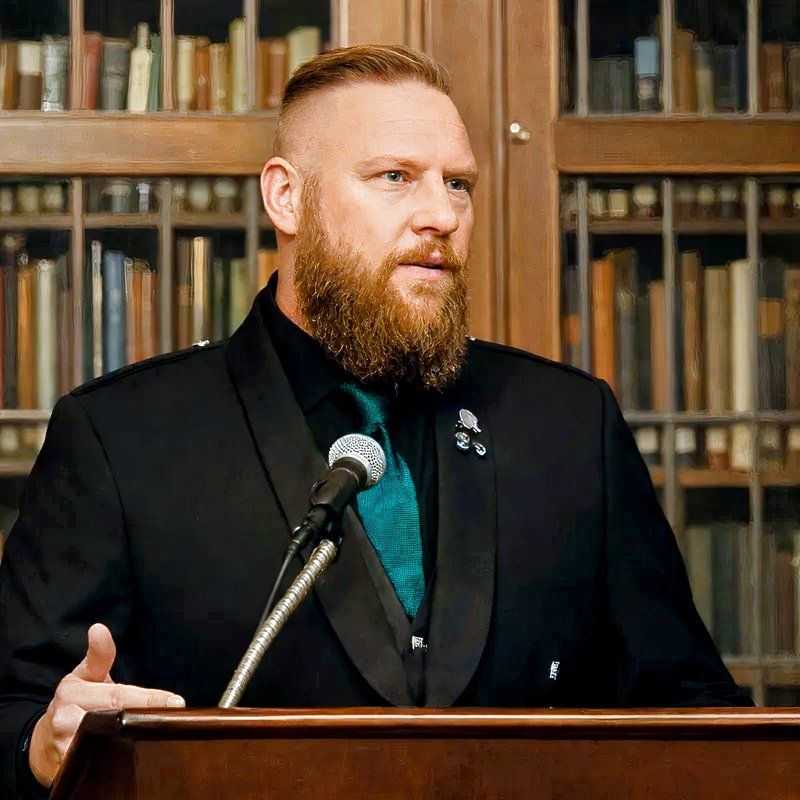
For Cahill, who was deployed to Iraq from 2006-2007 treating wounded troops, allies and civilians, the tipping point came when he lost a cousin and a longtime friend to suicide within five months in 2020.
Out of grief and bewilderment, Green Star Families of America was born.
“PTSD and suicide are not theories to me. I have been at the final decision point myself. I know what it feels like when the world gets small, when your mind turns against you and when people who have never been there think they understand it because they read a pamphlet or took a class,” Cahill said. “The catalyst was anger at veteran suicide, not anger at the veterans, but anger at how poorly suicide is understood, handled, named and recognized by the systems that should know better. For me, it was not a statistic. It has names.”
After trying to navigate a sometimes-cumbersome Veterans Affairs system, Cahill said he finally received mental health assistance through Giveanhour.org, which set up a therapist appointment within a day.
 Support for Legislation
While Green Star families are not nationally recognized, there is momentum for change through a bipartisan bill that has five co-sponsors, according to Cahill.
In May, California passed legislation officially recognizing the Green Star Service Banner. Pennsylvania has also shown similar momentum. In Kentucky, a Green Star banner bill was introduced but did not advance in the state legislature.
“These bills are important because they create a clear name, symbol and recognition category for families who are often left in silence, stigma and uncertainty after a suicide loss,” Cahill said. “Green Star does not replace Gold Star; it recognizes a different and currently undefined kind of military-connected loss.”
What can the public do to advocate for Green Star families? Stop disappearing, Cahill said.
“The public can help by staying present, saying the veteran’s name, checking on the family long after the funeral and refusing to let suicide erase the veteran’s service,” Cahill said. “People can also support Green Star legislation by contacting and following up with your federal and state legislators.”
Read the full article here
6 Comments
Great insights on Defense. Thanks for sharing!
Interesting update on Families of Veterans Lost to Suicide Push for ‘Green Star’ Recognition. Looking forward to seeing how this develops.
Solid analysis. Will be watching this space.
This is very helpful information. Appreciate the detailed analysis.
I’ve been following this closely. Good to see the latest updates.
Good point. Watching closely.