

Listen to the article
Battlefield 6, despite being one of the most exciting game releases of recent memory, is facing renewed backlash over Season 1 cosmetics that critics say clash with the franchise’s grounded tone, alongside unresolved allegations that some in-game art may be AI-generated. The dispute has grown beyond any single skin or sticker, raising broader questions about whether EA and DICE are shifting toward a more monetized, Call of Duty-style approach even as the game remains a critical and commercial success.
Battlefield 6 launch multiplayer gameplay trailer
Military shooters occupy a unique space for veterans and military families, who often pay close attention to authenticity, equipment details, and tone. That’s why cosmetic choices and messaging around them can generate outsized backlash compared to other genres.
When Battlefield 6 launched in October, EA touted it as a record-setting return to large-scale modern combat. The publisher announced that the game had sold more than 7 million copies in its first three days, marking the franchise’s biggest opening.
But as Season 1 rolled out, the conversation around Battlefield 6 has shifted from weapons and maps to cosmetics, communication, and trust. Players have criticized bright, stylized character skins as immersion-breaking, raised fresh questions about whether paid bundles include AI-generated art, and pointed to gameplay and progression friction that has compounded the backlash.
Used under fair use for the purposes of news reporting.
Battlefield 6’s ‘Wacky Skins’ Problem
Before its release, Battlefield 6 developers emphasized that cosmetics would remain grounded. In a recent interview, producer Alexia Christofi said, “What’s really important to us is that things feel grounded,” adding that the team wanted cosmetics to “feel authentic to the franchise.”
That pledge became a flashpoint once Season 1 cosmetics landed. One of the most criticized was the bright blue “Wicked Grin” kit, which drew ridicule online and comparisons to Call of Duty’s more theatrical monetization era. In late October, multiple outlets reported that the “Wicked Grin” skin was quietly removed after backlash, with no public explanation from EA or DICE at the time.
For Military.com readers, the reaction is easy to decode: a franchise marketed on the look and feel of modern conflict is now selling cosmetics that some players say undermine that tone. The complaint isn’t that customization exists, but that the style is drifting away from the grounded presentation many fans associate with Battlefield.
Used under fair use for the purposes of news reporting.
Allegations of AI-Generated Content
The newest layer of the controversy involves unverified accusations that a paid bundle includes AI-generated artwork, despite earlier assurances that generative AI would not be used in player-facing content.
In a BBC interview summarized by multiple outlets, Battlefield executive Rebecka Coutaz said players would not see generative AI used “within Battlefield 6,” while acknowledging it had been explored during early development “to allow more time and more space to be creative.”
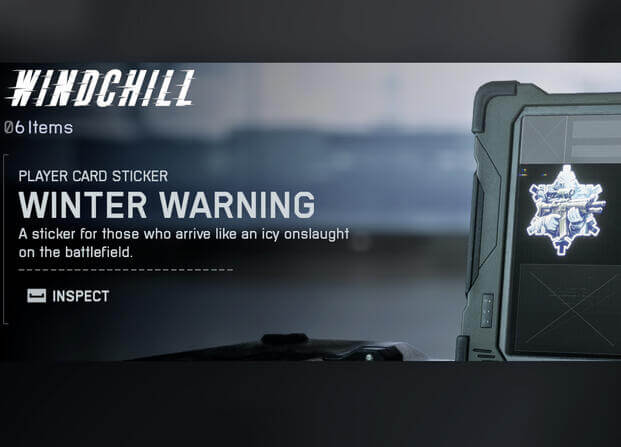
In December, players flagged items in the “Windchill” bundle, focusing on visual errors in a sticker graphic including what appears to be a rifle depicted with two barrels, a mistake critics argue resembles common generative-AI artifacts.
Fans quickly took to Reddit with their opinions. Here are some of the standout comments:
-
“At least to me it looks like 2 gun ends combining into one, it’s so AI.” – @DEMIG0DX
-
“Just the fact they didn’t catch that before releasing shows how little they are trying.” – @torev
-
“man we’re talking about the guys who actually rolled out an update that broke the f*cking main menu screen. EA: What are your experiences in QA? employee: …what is a QA? EA: HIRED!!” – @ShahinGalandar
-
“Plus an extra finger(or terrible hand grip) and ejection port cover. 😆” – Warshuru_M5
As of this reporting, EA has not confirmed whether the art was AI-generated, and the company has not responded publicly to the specific claims.
DICE Has Been Largely Quiet
A major driver of anger is not just what was sold, but how it was handled. The quiet removal of “Wicked Grin” became symbolic, as players saw it as evidence that developers recognized the backlash, but were reluctant to address it directly.
That silence contrasts with the confident messaging that surrounded the launch. In EA’s launch press release, Battlefield GM Byron Beede said the team had been “obsessed with player feedback,” and Vince Zampella thanked players for joining the game’s “momentous launch.”
For critics, the issue is consistency: if “grounded” cosmetics are the plan, players want clear standards, not silent rollbacks and vague marketing language.
Gameplay Frustrations Add Fuel
Cosmetics might have been a manageable controversy on its own, but it came amid broader complaints about balance, stability, and progression.
On vehicles, Battlefield producer David Sirland acknowledged public concerns during the beta period, calling it “a balance issue wholesale” and saying developers were “actively working on” it.
On progression, Portal mode became a battleground. After bot-farm XP exploits spread, DICE and EA implemented restrictions and XP caps, and later introduced a test that allowed progression in select, curated community servers to limit abuse.
The pattern matters: when players already feel squeezed by progression changes and live-service tuning, the arrival of premium cosmetics that feel off-brand tends to land harder.
The Bigger Picture
Despite the controversy, Battlefield 6 has received generally positive reviews. OpenCritic lists the game with a “Strong” rating, a Top Critic Average of 83, and 89% of critics recommending it, placing it in the 91st percentile of titles tracked on the site. Many reviews have framed it as a return to form for the franchise’s large-scale multiplayer, even while flagging concerns about live-service decisions and long-term support.
EA has framed the launch as a major sales win, but the cosmetic controversy has exposed a familiar tension in modern shooters. The push for recurring revenue through shop bundles and battle passes versus the identity of a series that sells itself on authenticity.
For veterans and military-adjacent audiences, the franchise’s appeal has often been its tone: the feeling of organized chaos, recognizable kit silhouettes, and a world that at least tries to resemble modern combat. When cosmetics start to look like a different genre of shooter, the complaint isn’t just aesthetic, it’s about trust in what the game is trying to be.
EA and DICE still have room to stabilize the narrative: clearly explain the cosmetic guidelines, directly address the AI art accusations, and show that “grounded” is more than a launch-season slogan. For now, the backlash suggests a portion of the audience believes Battlefield 6 is at risk of repeating the live-service mistakes it was supposed to move past.
Story Continues
Read the full article here
19 Comments
I’m curious to know how the developers plan to address the concerns about AI-generated art in the game, as it has been a major point of contention among players and could potentially damage the game’s reputation if not handled properly.
It’s worth noting that the use of AI-generated art is not unique to Battlefield 6, and many games in the industry are exploring its potential, but the key is to be transparent about its use and ensure it aligns with the game’s overall aesthetic and tone.
The fact that Battlefield 6 has been a critical and commercial success despite the controversy surrounding its cosmetics and monetization suggests that the game has a strong foundation and a dedicated player base, but it’s up to EA and DICE to build on that success and address the concerns of their players.
The comparison to Call of Duty’s monetization era is unfair, as every game has its own unique approach to cosmetics and monetization, and it’s up to EA and DICE to find a balance that works for their game and their players.
The use of AI-generated art in Battlefield 6 raises important questions about the role of automation in game development and the potential impact on the gaming industry as a whole, and it’s an issue that deserves more attention and discussion.
As a veteran, I appreciate the emphasis on authenticity and realism in military shooters, and I think that Battlefield 6’s cosmetic choices are a step in the wrong direction, as they undermine the game’s tone and atmosphere and make it feel more like a cartoon than a realistic simulation.
The comparison to Call of Duty’s more theatrical monetization era is apt, as both games are military shooters that occupy a unique space for veterans and military families who value authenticity and realism, and it’s clear that Battlefield 6’s cosmetic choices are not aligning with those values.
As someone who has played the game since its release, I can attest that the cosmetic choices have been a major point of contention among players, and it’s not just about the ‘Wicked Grin’ skin, but about the overall direction that the game is heading in terms of monetization and gameplay.
I’m excited to see how the developers will respond to the backlash and whether they will make changes to the game’s cosmetic choices and monetization model, as it’s clear that the current approach is not working for many players.
The fact that Battlefield 6 sold over 7 million copies in its first three days and yet the conversation has shifted to cosmetics and monetization issues suggests that the game’s success is not solely dependent on its gameplay, but also on the player’s perception of the game’s authenticity and tone.
The removal of the ‘Wicked Grin’ skin without a formal announcement from EA or DICE has raised concerns about the company’s transparency and communication with its players, especially considering the skin’s bright colors and stylized skull mask clashed with the franchise’s traditionally grounded aesthetic.
As a fan of the Battlefield series, I appreciate the emphasis on authenticity and realism, but I also think that the developers should be allowed some creative freedom to experiment with different cosmetic options, as long as they don’t compromise the game’s overall tone and atmosphere.
That’s a fair point, but the issue is that the ‘Wicked Grin’ skin and other similar cosmetics seem to be more focused on generating revenue than on enhancing the player’s experience or contributing to the game’s narrative.
The removal of the ‘Wicked Grin’ skin is a step in the right direction, but it’s not enough to address the underlying issues with the game’s cosmetic choices and monetization model, and EA and DICE need to be more transparent and communicative with their players about their plans and intentions.
The ‘Winter Warning’ player card sticker from Battlefield 6’s Windchill cosmetic set is another example of how the game’s cosmetic choices are drifting away from the grounded presentation that many fans associate with the franchise, and it’s understandable that players are upset about it.
I’m concerned that the focus on cosmetics and monetization is distracting from the game’s core issues, such as gameplay and progression friction, which have been reported by many players and need to be addressed in order to improve the overall player experience.
The fact that producer Alexia Christofi emphasized the importance of grounded cosmetics before the game’s release, only to have the ‘Wicked Grin’ skin and other similar cosmetics debut in Season 1, suggests that there may be a disconnect between the developers’ vision and the game’s actual content.
I’m skeptical about the claim that the ‘Wicked Grin’ skin was removed due to player backlash, as there was no formal announcement from EA or DICE, and it’s possible that the skin was always intended to be a limited-time offering.
The issue with Battlefield 6’s cosmetics is not just about the ‘Wicked Grin’ skin, but about the broader trend of monetization in the gaming industry, and it’s up to players and developers to have an open and honest discussion about what works and what doesn’t.