


Listen to the article
Military pay raises of up to 7%, faster health care for transitioning service members and several reforms affecting the U.S. Air Force Academy are one step closer to becoming law after the House of Representatives approved its version of the Fiscal Year 2027 National Defense Authorization Act on Tuesday.
The annual defense policy bill passed the House 216-212, authorizing roughly $1.15 trillion in national security spending while establishing policy priorities for the Department of Defense for the coming fiscal year.
While the legislation still must clear the Senate before reaching President Donald Trump’s desk, the House vote provides the clearest picture yet of what lawmakers want to include in next year’s defense package.
Here are the seven biggest changes service members and military families should know.
FY2027 NDAA at a Glance
- House vote: Passed 216-212
- Military pay: Proposed raises of 5% to 7%
- Health care: Faster enrollment for transitioning service members
- Reserve retirement: Reserve service could count toward retirement rank
- Air Force Academy: Cadet wing restored to 4,400 and additional reforms proposed
- Supply chain security: New pilot program aimed at protecting military electronics
- Medal of Honor: Legislation advances to recognize Vietnam War hero Maj. Robert Lodge
- Next step: Senate consideration before a final compromise bill
1. Military Pay Could Increase by 5% to 7%
The House bill includes one of the largest proposed military pay raises in years, providing increases ranging from 5% to 7%, depending on rank.
Lawmakers said the increase is intended to improve recruiting and retention while helping military families keep pace with rising costs.
The exact pay raise could still change as the House and Senate negotiate a final version of the bill.
Why it matters: If enacted, the pay raise would directly affect every active-duty service member beginning in fiscal 2027.
2. Transitioning Service Members Could Get Health Care Faster
The legislation would require the Defense Department to create a process allowing eligible service members to enroll in transitional health care within two business days after becoming eligible.
Current administrative delays can leave some troops temporarily unable to enroll despite qualifying for coverage.
Why it matters: Reducing enrollment delays could help eliminate gaps in health care during one of the most significant transitions of a military career.
3. Reserve Service Could Count Toward Retirement Rank
The House bill would allow qualifying non-regular service to count toward time-in-grade requirements for retirement rank.
The proposal specifically states the change would not increase retired pay or other retirement benefits, making it a targeted administrative change rather than an expansion of benefits.
Why it matters: The measure recognizes reserve service while maintaining the current retirement pay structure.
4. The Air Force Academy Could See Several Major Reforms
The legislation includes multiple provisions affecting the U.S. Air Force Academy, including:
- Restoring the cadet wing to its authorized strength of 4,400 cadets.
- Requiring a strategy to improve academic outcomes.
- Renaming the Dean of the Faculty position as Provost and Dean of the Faculty.
- Establishing a panel to study how NCAA athlete compensation and the transfer portal affect the service academies.
- Improving communication between Congress and the Academy’s Board of Visitors.
Why it matters: Together, the provisions represent one of the most significant collections of Air Force Academy reforms included in recent defense authorization bills.
5. The Pentagon Could Strengthen Supply Chain Security
The House bill directs the Defense Department to establish a pilot program to independently verify commercial electronic components used across military installations.
The goal is to confirm that electronics used by the military are authentic and have not been compromised or infiltrated by foreign adversaries before they enter the supply chain.
Why it matters: As concerns grow over foreign technology and cybersecurity, lawmakers are placing greater emphasis on protecting military systems from compromised components.
6. A Vietnam War Hero Could Finally Receive the Medal of Honor
The legislation authorizes the president to award the Medal of Honor to Maj. Robert Lodge for extraordinary heroism during combat on May 10, 1972, in Vietnam.
If included in the final NDAA and signed into law, the action would recognize Lodge’s service more than five decades after the battle.
Why it matters: Congress has increasingly supported reviews of historical valor awards when additional evidence indicates the nation’s highest military decoration may be warranted.
7. Cognitive Readiness Could Become a Greater Military Priority
The House bill would establish a pilot program integrating cognitive performance training, sleep resources, stress management tools and digital support into a single capability for service members and their families.
Supporters say the effort recognizes that mental performance, resilience and recovery are critical components of military readiness.
Why it matters: Military leaders have increasingly emphasized that cognitive performance can directly affect operational effectiveness just as physical fitness does.
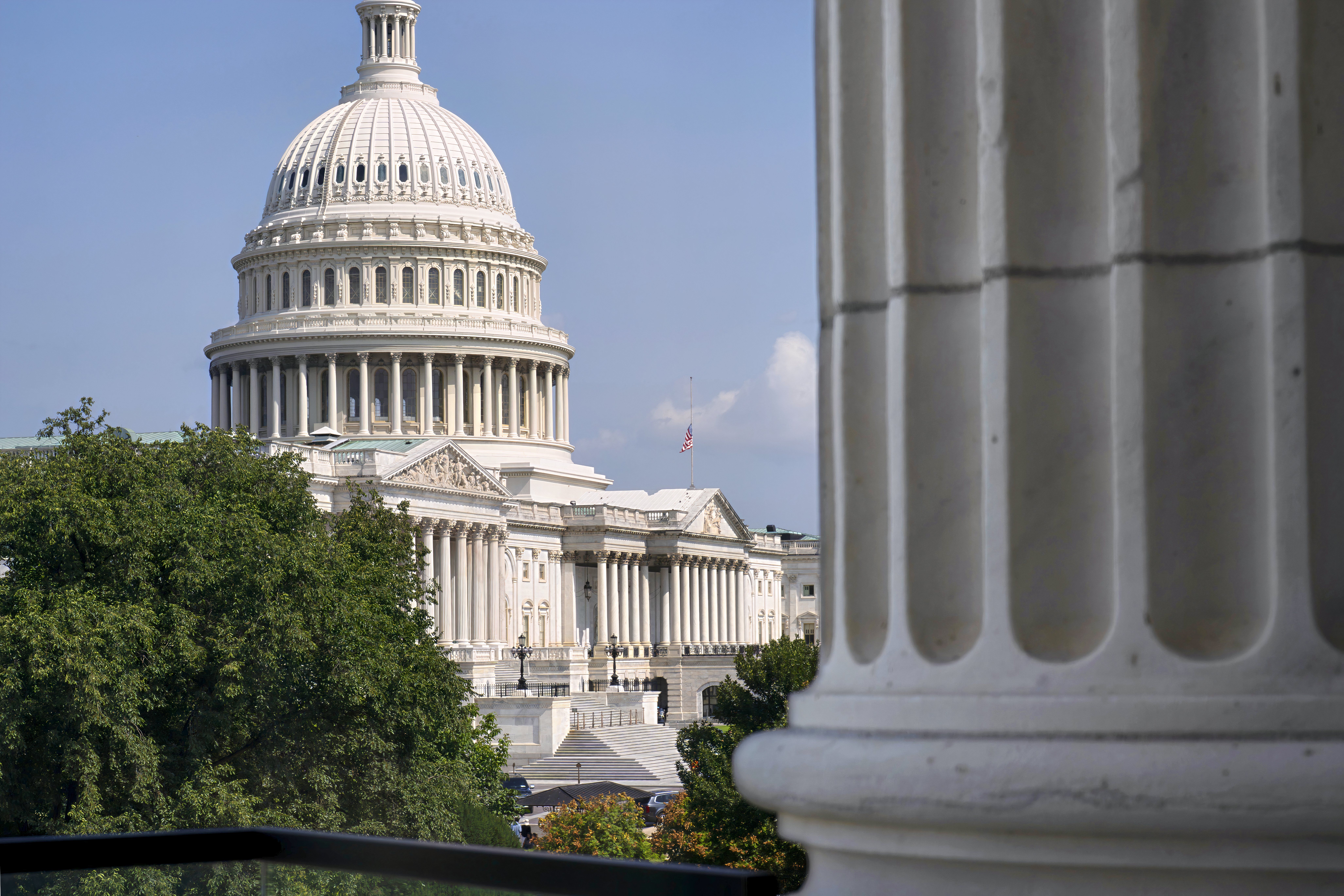 Other Changes Included in the House Bill
In addition to personnel and readiness initiatives, the House legislation contains several other provisions that are expected to receive significant attention during negotiations with the Senate.
Among them are proposals to rename the Department of Defense as the Department of War, restrict certain TRICARE coverage policies and make other defense policy changes that divided lawmakers during House debate.
Those provisions could be modified or removed as the House and Senate reconcile differences between their respective versions of the NDAA.
What Happens Next
Although House approval is a major step, the NDAA is not yet law.
The Senate is expected to consider its own version of the legislation before negotiators from both chambers meet to resolve differences and produce a final compromise bill.
Only after both the House and Senate pass identical legislation can the measure be sent to President Donald Trump for signature.
Congress has approved a National Defense Authorization Act every year for more than six decades, but significant changes to individual provisions often occur before the final bill reaches the president.
For service members and military families, that means many of the proposals approved by the House, including the military pay raise and quality-of-life initiatives, remain subject to negotiation in the months ahead.
Read the full article here
6 Comments
Interesting update on House Officially Passes Defense Bill with 5% to 7% Military Pay Raise. Here Are 7 More Changes. Looking forward to seeing how this develops.
I’ve been following this closely. Good to see the latest updates.
Solid analysis. Will be watching this space.
This is very helpful information. Appreciate the detailed analysis.
Good point. Watching closely.
Great insights on Defense. Thanks for sharing!