

Listen to the article
The small block V8 has a lot of heritage and expertise built in, but its 70‑year evolution hasn’t always been a smooth one. Across seven decades, this engine family has earned a reputation for durability, tunability, and major cultural impact, but it’s also weathered its share of growing pains, supplier missteps, and high‑profile failures: most recently in models like the Chevrolet Silverado and GMC Yukon.
That history now matters more than ever, because the small block V8 engine has once again found itself at a bit of a fork in the road: could the engine failures plaguing the current 6.2‑liter V8 carry forward to the incoming sixth‑generation small block V8 waiting in the wings?
It’s a fair question, especially with the latest rash of failures potentially affecting hundreds of thousands of units and shaking consumer confidence in one of GM’s most important powerplants.
Chevrolet needs a reliability “win” from their next‑generation engine, and the stakes are high. With warranty replacements stacking up, owners reporting catastrophic failures at low mileage, and the brand’s reputation taking hits in online forums and dealer service bays, another misstep could spell catastrophe for the small block name. Thankfully, early signs suggest that the sixth-generation small block will represent a switch away from the supplier-heavy production of the previous engine, and mark a new era of quality control.
A New Small Block Is Coming With Better Quality Control

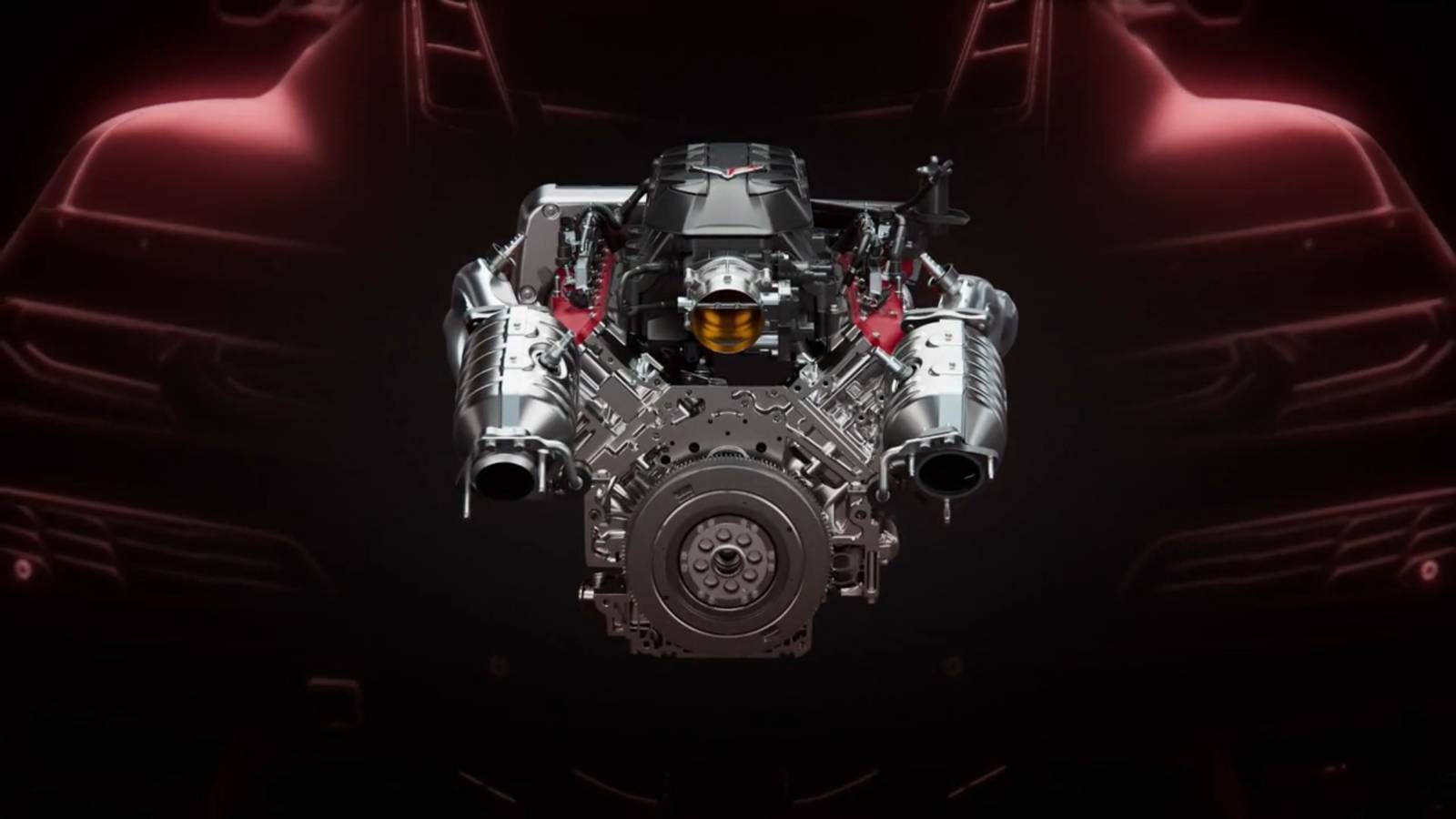
A new-generation small block V8 engine is on the immediate horizon, with its first variation set to launch in a Corvette, as the hottest new small blocks often do. The Corvette‑first rollout isn’t just tradition, either. The Corvette V8 undergoes some of the most rigorous validation testing in GM’s lineup. If the LS6 can stand up to Corvette duty, the idea is it’ll enter the pickup market with a proven stress margin.
Given the public scrutiny surrounding the current 6.2‑liter V8, GM needs a high‑visibility reliability win. Look for the 6th-generation LS6 first in the upcoming 2027 Corvette Grand Sport. This very latest version of the small block V8 will be one of several variations available; think of it as the technological gene pool from which future sixth-generation small block engines will draw. A variation of this engine will replace the problematic 6.2-liter V8 in GM’s trucks and SUVs, too.
|
2027 Chevrolet Corvette Grand Sport |
|
|---|---|
|
Type |
Next-Generation LS6 6.7L V8 |
|
Displacement |
6.7L / 409 cu in |
|
Bore & Stroke |
4.065 inches x 3.937 inches |
|
Block Material |
Aluminum block with cast-in iron cylinder liners (Gen 6 Small Block architecture) |
|
Cylinder Head Material |
Aluminum |
|
Fuel Delivery |
Direct and Port Injection with Active Fuel Management |
|
Oiling System |
High-capacity, performance-focused lubrication system engineered for extended high-load, high-temperature operation |
|
Induction |
Naturally aspirated; tunnel-ram intake with high-velocity ports; 95 mm throttle body |
|
Compression Ratio |
13.0:1 |
|
Power |
535 hp |
|
Torque |
520 lb-ft |
|
Exhaust |
Corner exit standard; available center-exit (standard on track performance package) |
|
Assembly Location |
GM Flint Engine Operations – Flint, Michigan |
|
Recommended Fuel |
Premium fuel required |
|
Max engine speed |
6,600 rpm |
It’s a clean-sheet redesign of the longest-running engine family in the industry, of course keeping the original cylinder bore spacing and compact pushrod valvetrain of the original small block intact, seven decades on. More details are forthcoming, but we know that the new LS6 intends to raise the bar thanks to engine architecture upgrades that will “soon benefit other V8-powered Chevrolets” according to the automaker, signaling the phase-out of the current and problematic engine.

Could the problem carry over? It’s unlikely. This is a generational leap for the small block V8. While this engine has deep connections to the past and has maintained some key layout and geometric attributes since the original, virtually nothing from the previous-generation engine will carry forward, allowing the problem to be engineered out of the mix.
Engine oil formulations, bearing surfaces, manufacturing processes, and quality control procedures are all updated when an engine switches from one generation to the next, and parts and processes behind the problems are (usually) debugged from the equation.
Read the full article on CarBuzz
This article originally appeared on CarBuzz and is republished here with permission.
Read the full article here
6 Comments
Great insights on Defense. Thanks for sharing!
Good point. Watching closely.
I’ve been following this closely. Good to see the latest updates.
Solid analysis. Will be watching this space.
Interesting update on How GM Is Fixing Small Block Reliability Issues With Gen 6 V8. Looking forward to seeing how this develops.
This is very helpful information. Appreciate the detailed analysis.