

Listen to the article
On July 24, the U.S. Fish and Wildlife Service (USFWS) opened up a two-week-long public comment period as a request for information on the implementation of drain tile setbacks. Before I lose you with that very exciting opener, know that this is a crucial time for hunters and conservationists to raise our voices for waterfowl and more in the Prairie Pothole Region (PPR).
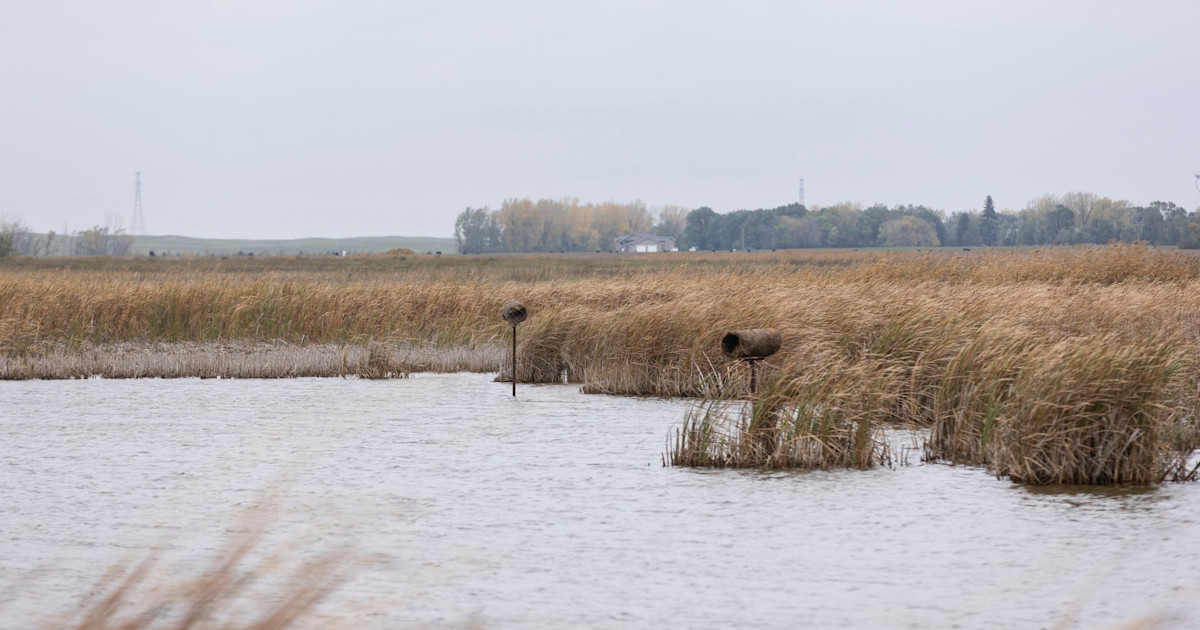
The PPR, affectionately known by hunters as “The Duck Factory,” spans North Dakota, South Dakota, Minnesota, Iowa, and Montana (it also reaches far into Canada). It’s critical breeding and nesting habitat for migrating waterfowl, but the wetlands also support other wildlife while maintaining healthy waterways and ecosystems.
Within the PPR are small wetland easements on private land. These were easements were made possible by the Small Wetlands Acquisition Program (SWAP), where landowners are paid by the federal government to permanently protect wetlands located on their lands. The legal agreement states that wetlands within easements cannot be drained, filled, leveled, or burned. However, if they dry up from natural causes, landowners are then allowed to farm, graze, or hay on the land.
There are fewer wetlands in the PPR than ever before. This makes these small easement areas invaluable assets for wildlife. If you’ve ever bought a federal or state duck stamp, made a Pittman-Robertson purchase, or supported the North American Wetlands Conservation Act, you’ve invested money in protecting these easements. That said, it’s in your best interest to protect your investment by ensuring they remain intact.
According to the USFWS, when landowners sign easement agreements, they agree to refrain from certain activities that drain surface water from or nearby the wetlands. This is where the drain tile issue comes in.
Using drain tile is a common practice in agriculture to remove excess water from fields with underground pipes. This helps with soil drainage and can save crops in flooding. However, when installed too close to a wetland, it can pull water away that well, makes a wetland, wet.
In 2024, the USFWS finalized a rule that established setback distances for drain tiles is based on the best available science to ensure wetland areas aren’t drained. These distances are calculated by local USFWS offices, who will work with the landowner for tile planning. The distance is determined by a variety of factors like local soil characteristics, tile depth and diameter, and field topography.
The ruling also protects landowners who installed drain tile under USFWS guidelines from legal ramifications if the distance calculated was insufficient to protect the wetland area from drying up.
Organizations like Ducks Unlimited have praised the rule for keeping drain tiles far enough away from wetlands to protect them. But now, the USFWS has issued a “Request for Information” that could be a first step in eroding those protections. One suggested alternative is to implement Natural Resources Conservation Service (NRCS) guidelines, which offer a fixed distance for drain tile setbacks rather than a scientifically calculated measurement currently used by USFWS.
Right now, nothing is set to change in regulations—yet. But the agency is specifically requesting information on the efficacy of the ‘24 rule, if it did or did not work as intended, and specifically how the service should calculate drain tile setbacks in the future.
The comments received now will determine the next steps the agency takes. Click here to add your voice to the conversation before the August 7 deadline.
Read the full article here
5 Comments
Great insights on Hunting. Thanks for sharing!
Solid analysis. Will be watching this space.
I’ve been following this closely. Good to see the latest updates.
Good point. Watching closely.
Interesting update on Now is the Time to Speak Up for America’s Wetlands. Looking forward to seeing how this develops.