

Listen to the article
Learn the difference between training ammo and defensive ammo. Compare FMJ vs hollow point performance, purpose, and why each plays a critical role in shooting.
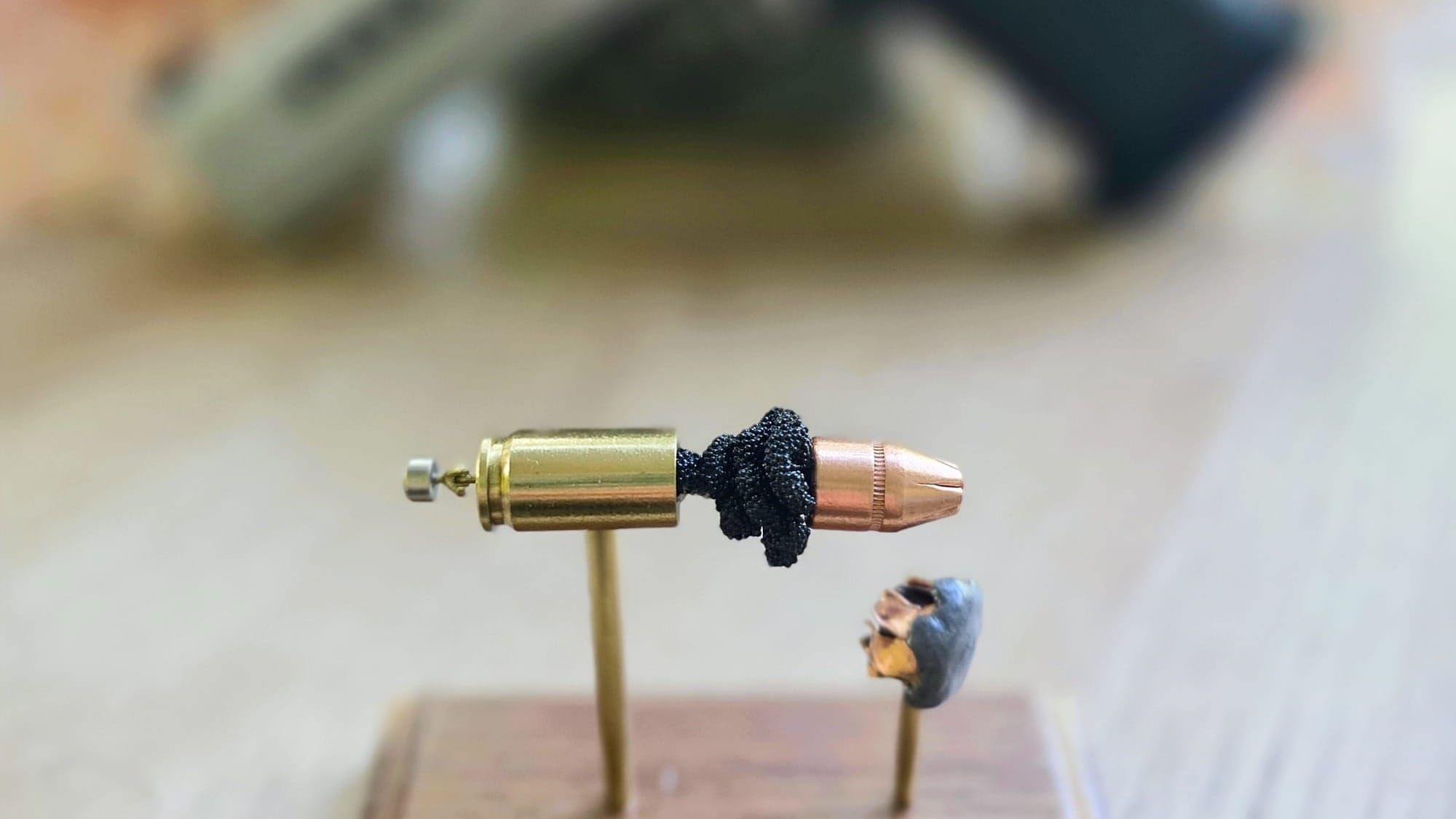
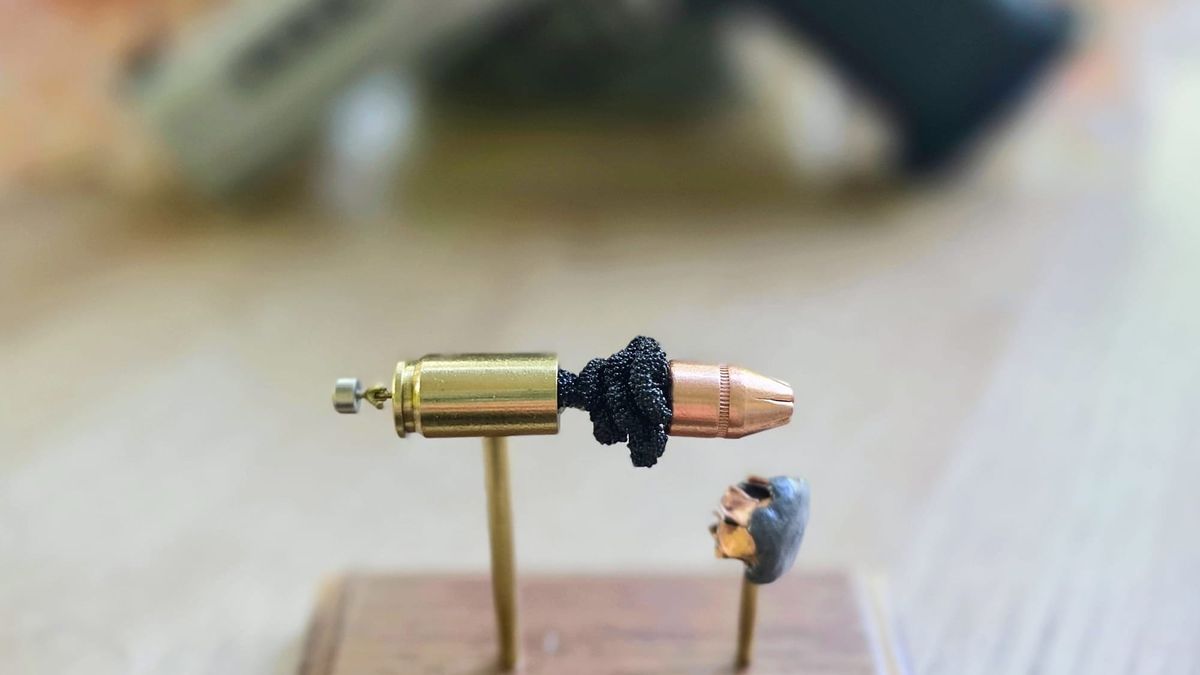
One of the most common questions I hear on the range isn’t about guns. It’s about ammo. More specifically, what should you train with and what should you carry… and if you’re getting into competition, what should you actually be shooting?
The short answer is they’re usually not the same, and that’s completely okay. Most shooters run full metal jacket (or FMJ) for training and matches because it’s consistent, predictable, and doesn’t typically destroy your wallet when you’re trying to get real reps in. If you’re serious about performance, round count does matter, and FMJ helps make that possible.
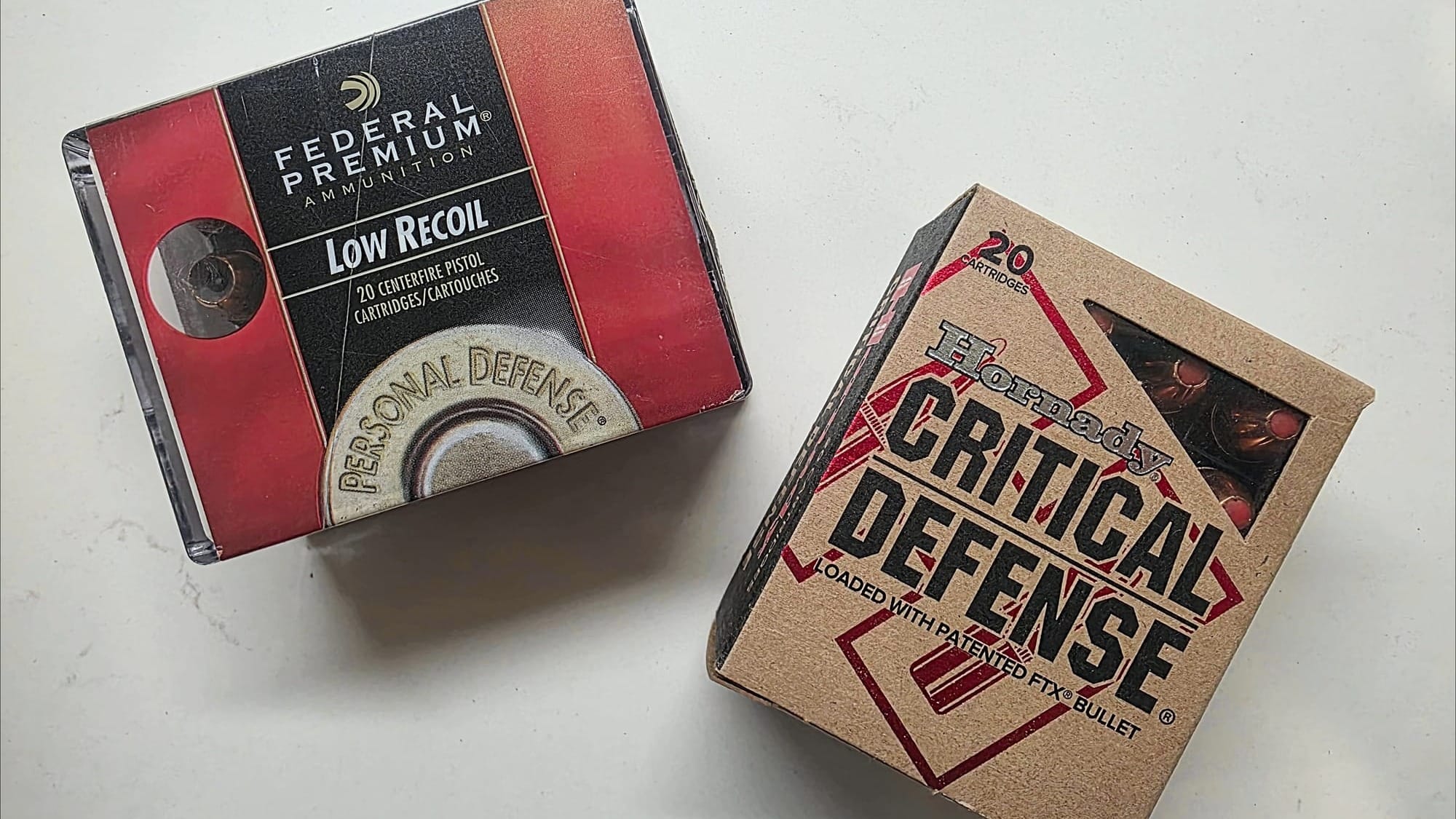
On the defensive side, ammo is built for a completely different purpose. Companies like Hornady and Federal Premium Ammunition design these rounds to expand on impact, transfer energy efficiently, and control penetration. That balance is what makes them widely used, not just by civilians, but by law enforcement agencies across the country.

A big reason for that shift goes back to the 1986 FBI Miami shootout. During that incident, a round that hit one of the suspects failed to penetrate deeply enough to immediately stop the threat, even though it was ultimately a fatal hit. That moment forced the FBI to reevaluate ammunition performance entirely. The result was a focus on penetration, reliability through barriers, and predictable performance. That’s why today, many agencies carry modern defensive rounds that are designed to meet strict testing standards and perform when it actually matters.
Now, let’s bring it back to competition. While FMJ is typically the standard, it’s not the only thing being used. You’ll see some shooters, especially at higher levels or in certain divisions, running hollow-point style bullets. And no, it’s not just random. There are actual reasons behind it. From a performance standpoint, some shooters prefer hollow-point projectiles because of consistency in manufacturing and base geometry, which can translate into tighter groupings. Hollow points can also be slightly more stable in flight due to how weight is distributed, and some shooters feel they get more predictable hits, especially at speed.
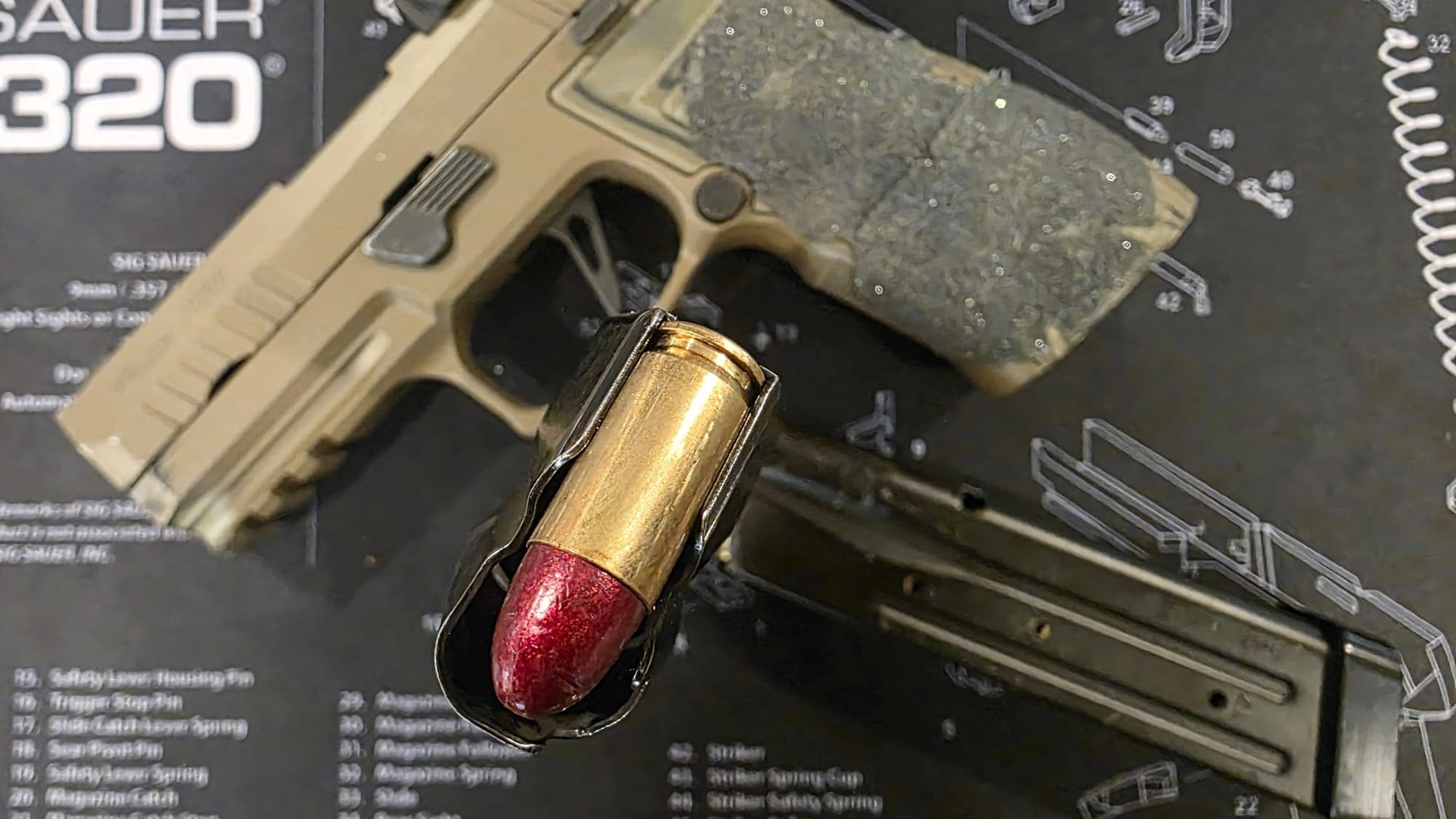
Then there are practical considerations. In competition circles, you’ll hear things like hollow points helping with steel at tougher angles or transferring energy a little more efficiently on certain targets. Others run them simply because of how they interact with their setup, like compensators staying cleaner due to a fully jacketed base. For the majority of shooters, especially newer ones, the difference between these ammo types aren’t too much to stress over in the competition sport. It’s not the ammo. It’s the reps. Consistency is what matters, folks.
If you carry a firearm, you need to know how your defensive ammo runs in your gun. That’s just part of being responsible. You don’t have to shoot it every range trip, but you should trust it when it matters. Now, if your goal is performance (getting better, moving up in classification, chasing Master or GM), then your training ammo needs to support volume. You’ve got to be able to shoot a lot without constantly thinking about cost or whether you should “save” a box. (And yes, dry fire absolutely has its place and a ton of value, but live fire still has to be there to confirm it.)
This is where having some kind of system really helps. Something like Ammo Squared takes a lot of that mental load off. Instead of scrambling before a match or cutting practices shorter, you’re steadily building your supply in the background. It makes it way easier to keep your training ammo and defensive ammo separate without overthinking it. And that’s really the point.. consistency. In competition shooting, that’s everything. Not just your grip or movement, but how you prepare. Stack. Train. Repeat. When your ammo situation is squared away, you can actually focus on shooting.
At the end of the day, ammo is part of your performance system. Whether you’re running FMJ, testing different loads, or just trying to get more reps in, it all comes back to showing up ready, shooting with confidence, and getting a little better every time you hit the range.
Thanks for taking the time to read this. If you’ve got questions, feel free to reach out at [email protected].
Read the full article here
6 Comments
Great insights on Defense. Thanks for sharing!
I’ve been following this closely. Good to see the latest updates.
Good point. Watching closely.
Solid analysis. Will be watching this space.
This is very helpful information. Appreciate the detailed analysis.
Interesting update on The Basics 101: Defensive Ammo vs. Training Ammo. Looking forward to seeing how this develops.