

Listen to the article
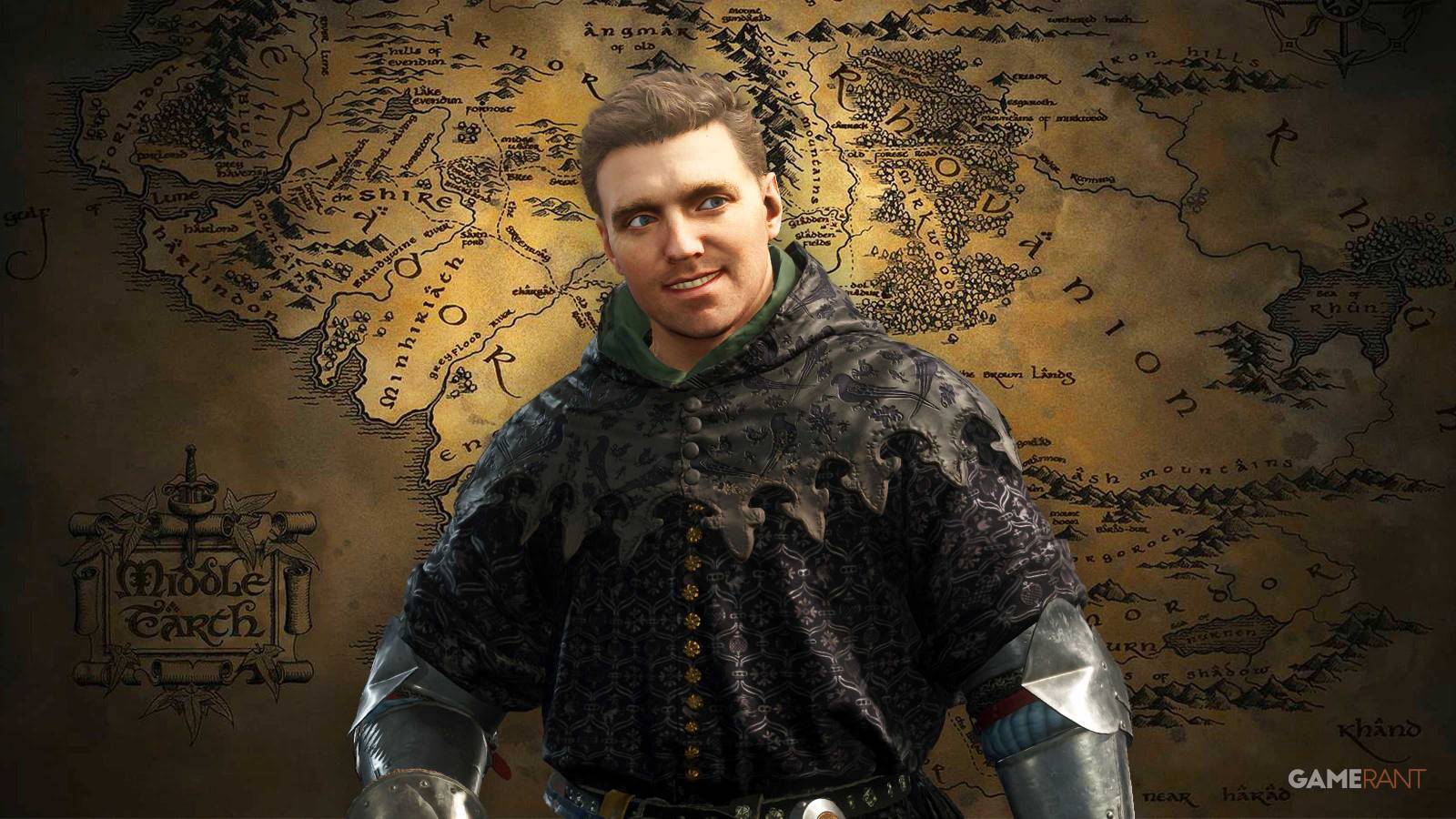
After denying rumors last year that suggested they were working on a Lord of the Rings game, Warhorse Studios, the team behind the Kingdom Come: Deliverance RPG series, has now confirmed that it is, in fact, currently developing a Middle-earth RPG. For me, this is some of the best news I’ve heard all year, as I am probably just as much a fan of The Lord of the Rings as I am of Kingdom Come: Deliverance. The open-world RPG formula Warhorse arguably perfected in its KCD series, now being used to bring Middle-earth to life, is something I’ve been dreaming of since I first heard the rumors, as I’m confident that if anyone can finally do Tolkien’s world justice within the gaming space, it’s them.
But this is about much more than Middle-earth eventually becoming an open-world playground. As a veteran Lord of the Rings Online player, I’ve experienced that fantasy world in a seamless space before, and I thoroughly enjoyed the time I spent in it. However, my confidence that Warhorse can deliver a Lord of the Rings open-world RPG worth playing is ultimately rooted in what I’ve already seen them do in Kingdom Come: Deliverance and how that can and likely will translate over to Middle-earth. It’s the developer’s approach to the open-world formula in general that I appreciate, and I have a feeling it’s not going to abandon that philosophy and fall into the same trap that many other open-world games experience such difficulty avoiding.
Warhorse Studios Has Proven It Understands the Value of Discovery
Obviously, Warhorse Studios has proven its ability to craft an RPG that feels authentic and grounded while still offering a playable, entertaining experience. With its emphasis on historical realism in the Kingdom Come: Deliverance games, it gives players a chance to experience what life might have actually been like in the days of medieval Bohemia, from the way people dressed and spoke to the social hierarchies, religious tensions, and everyday struggles that shaped their world. But in crafting such a believable world, it has also shown how much it understands the value of discovery.
Kingdom Come: Deliverance is, first and foremost, a world that players can live in. Sure, a narrative arches over it all, but at that story’s center is an ordinary protagonist. He is lovable and charming, but he was also intentionally designed not to hog the spotlight. Instead, he is more akin to the shoes players wear while they’re exploring Warhorse’s faithful recreation of medieval Bohemia. In that context, the open world is the main character, and Henry, the player, is just a side character trying to thrive within it.
So Much of What’s Discoverable in a Warhorse World Isn’t Marked on a Map
Unfortunately, too many open-world games fall into the trap of turning their content into a checklist of chores rather than a hidden (or somewhat hidden) list of meaningful discoveries. Maps in these games are often littered with exclamation points and other icons that essentially tell players where to go and what to do. Much of this likely comes from developers not wanting an open world that feels empty, so they avoid negative space when and where they can by shoving another activity or collectible into it. But even then, meaningless activities can make open worlds feel even more empty than they were without them. Ultimately, it all comes down to how that negative space is utilized.
Read the full article on GameRant
This article originally appeared on GameRant and is republished here with permission.
Read the full article here
5 Comments
I’ve been following this closely. Good to see the latest updates.
Good point. Watching closely.
This is very helpful information. Appreciate the detailed analysis.
Great insights on Defense. Thanks for sharing!
Interesting update on The New Lord of the Rings Game May Have Already Dodged the Biggest Open-World Game Trap. Looking forward to seeing how this develops.