

Listen to the article
Combat and high stress lead to both immediate and long-term decreases in testosterone levels, even in young men, mainly because of chronic cortisol increases, severe sleep deprivation, traumatic brain injuries (TBI) and ongoing deployment cycles into war zones. But underlying medical issues also cause low-T.
When life is stressful, testosterone can decrease and continue to decline with age, especially if recovery methods are compromised (sleep, nutrition, stress mitigation). It is important to know hormone levels just as it is to know blood pressure and triglyceride levels during annual blood screening physicals, as other causes for dropping testosterone could require more than just replacement therapy.
Dozens of medical conditions can cause a lowering of testosterone, according to the Cleveland Clinic, poorly managed Type 2 diabetes, obstructive sleep apnea, testicular injuries/infections, pituitary disorders and genetic conditions such as Klinefelter’s syndrome. Additionally, chronic illnesses, opioid medications and chemotherapy can suppress hormone production.
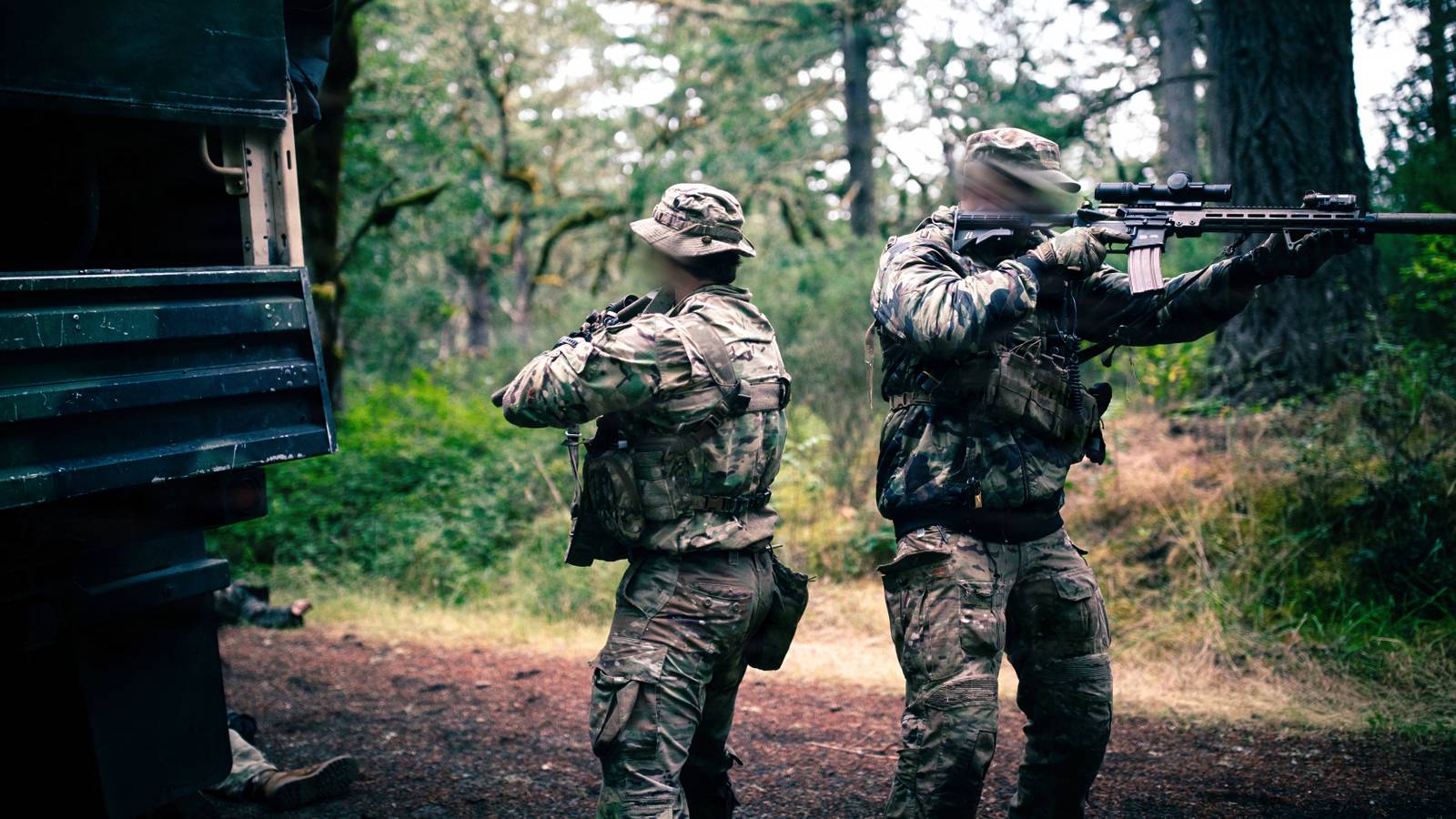
Tactical operators face intense physical and psychological stress that significantly affects their lives and, for some, their testosterone levels. A recent change in U.S. military policy on the testing of testosterone reads:
This enhanced testosterone-screening protocol directly supports the military’s focus on human performance optimization while comprehensively addressing Operator Syndrome. Originally identified among special operators in 2020 through collaborative research by the U.S. military and leading academic institutions, Operator Syndrome represents a unique convergence of health challenges requiring proactive clinical intervention.
Applying lessons learned from treating Operator Syndrome across the total force, including targeted testosterone therapy, directly optimizes troop readiness.
The memorandum states it will test for testosterone deficiency but does not indicate whether testosterone replacement therapy will be prescribed voluntarily or not. Secretary Pete Hegseth cleared up the confusion in a statement that treatment is voluntary, according to PBS, but that for men over 30, the testing is mandatory.
About Testosterone in Men
Testosterone drops naturally as men age and even earlier if they are exposed to high stress in daily life. Poor stress recovery practices, such as inadequate sleep and diet, exacerbate the problem. When cortisol is chronically elevated from stress, it reduces the body’s natural ability to produce testosterone.
Stress can be naturally reduced before it becomes a “perfect storm” that creates these symptoms, but it requires significant lifestyle changes and intentional stress-mitigation techniques. For these reasons, active-duty service members and veterans face significantly higher rates of testosterone deficiency than civilians, with studies showing drops of up to 28% to 65% during periods of extreme duress or training.
About Operator Syndrome
First coined by Dr. Chris Freuh, Operator Syndrome is a complex set of issues that require a range of treatments. Testing testosterone can be a way to assess one of the underlying conditions of Operator Syndrome in military members and veterans as well as first responders.
Creating a list of indicators and naming it “Operator Syndrome” allows active-duty service members and veterans to receive treatment and health care coverage for various psychophysiological conditions at once. The healing process must be holistic, with the operator and the medical community working together to address this issue. In fact, testosterone replacement therapy (TRT) is just one of a dozen approved treatments for this condition. They are listed below with corresponding treatment options:
Operator Syndrome presents itself with a wide range of symptoms, requiring a holistic approach to treatment. The key symptoms and overlapping conditions of Operator Syndrome often include several of the long list below:
Neurological/Brain
Symptoms include traumatic brain injuries (TBI) and cognitive impairments. Current treatments:
Endocrine
Symptoms include hormonal dysregulation, such as low testosterone. Current treatments:
- Endocrine and hormone therapy
- Testosterone replacement therapy when medically necessary
- Vision and vestibular therapy
Physical
Symptoms include chronic joint and back pain and sleep apnea. Current treatments:
- Physical and occupational therapy
- Migraine/headache therapy
- Sleep hygiene (sleep rituals)
- Recovery practices (sleep, nutrition optimization, breathing, relaxing)
Psychological
Symptoms include depression, anxiety and emotional issues. Current treatments:
- Stellate ganglion block (SGB) (research)
- Ketamine therapy
- Evidence-based psychotherapy (CBT and EMDR)
Behavioral
Hypervigilance, substance misuse and relationship struggles. Current treatments:
- Couples counseling
- Addiction treatment (cessation of drugs, alcohol, nicotine, etc.)
- Supplement therapy (Vitamins B and D, Omega 3, turmeric, etc.)
Many medical conditions, both associated with Operator Syndrome and not, cause low testosterone levels. TRT may be needed for some but not for others. These conditions can be genetic, in which the gonads do not produce enough testosterone in men (hypogonadism)
Misuse of the treatments as performance-enhancing drugs (PEDs) in sports and bodybuilding does occur. Using TRT for aesthetic purposes is the scenario in which treatment becomes confusing and polarizing.
Whether you need testosterone or not, here are the side effects and the enhancements you will experience if prescribed.
Pros of Receiving Treatment for Low Testosterone
TRT is generally safe. One of the most immediate benefits is a stronger sex drive and improved sexual function. Physically, testosterone enhances strength and stamina, improves lean muscle mass, reduces fatigue and improves recovery from physical/stressful exertion. Many men report improved mood and focus along with less irritability and depression. For tactical operators exposed to blasts and who have TBI, TRT can help in restoring sexual function, mood and physical performance. (study)
Cons of Receiving Treatment for Low Testosterone
One of the more alarming side effects of TRT for men in their 30s is its impact on fertility. Adding synthetic testosterone causes your testicles to stop producing natural testosterone and sperm, which can lead to infertility if TRT is not discontinued. Depending on your levels, TRT could be a lifelong commitment. If you decide to stop, your body must go through a recovery period to regain natural testosterone production, which can be challenging and requires time. Recovery largely depends on your age, the duration of TRT use, and the original cause of low natural testosterone.
Physical side effects could also be visible, including acne, oily skin and breast enlargement. Blood can also thicken due to an increase in red blood cells, requiring regular medical screening to avoid the risk of blood clots and strokes.
Read The Truth About TRT, an Endocrine Society patient resource for people considering TRT.
The Natural Approach to Boosting Testosterone
In fact, before deciding, see if you can naturally boost testosterone.
A full medical counseling process needs to be undertaken before you consider adding TRT just because your numbers are low. Low testosterone could be caused by an underlying condition that is not getting treated by simply increasing the number. Simple answers could be insufficient sleep, diet, thyroid issues, chronic stress, weight gain and perhaps medications.
Adopt a holistic lifestyle centered on four key pillars: exercise, nutrition, sleep and stress management. Emphasize weightlifting with heavy compound movements and sprinting; consume a diet high in healthy fats and protein; aim for 7-9 hours of quality sleep each night; and master your recovery techniques.
Also, see Harvard Medical School’s natural methods to increase testosterone.
Read the full article here
6 Comments
Solid analysis. Will be watching this space.
Good point. Watching closely.
I’ve been following this closely. Good to see the latest updates.
Interesting update on Why? And Treatment Pros & Cons. Looking forward to seeing how this develops.
This is very helpful information. Appreciate the detailed analysis.
Great insights on Defense. Thanks for sharing!