

Listen to the article
Patience gets thrown around a lot in general hunting advice. Whether it’s pulling an all-day hunt during the whitetail rut or waiting another hour on that gobbler that went silent, patience usually pays off. You’ll punch a lot of tags if you learn to embrace patience. But sometimes you need to throw it out the window (not completely) when the occasion arises.
This lesson recently dawned on me during a successful turkey hunt. Two gobblers fired off right at daybreak. I quickly cut the distance to them and set up. After a few soft calls they came within gun range but hung up on the other side of a yaupon thicket. I had no shot and occasionally caught glimpses of them through the brush.
They gobbled their brains out for nearly three and a half hours before another tom heard all the ruckus and joined them. Eventually they fed down the creek drainage about 70 yards from their original location. I knew I had to cross that thicket if I wanted a chance to notch a tag that day. I waited for them to gobble again so I could pinpoint their new position and make a move.
Luckily, I didn’t hesitate. Just as I crawled through that yaupon and crossed a small ditch, I caught the tip of a tail fan just over a small rise. After a few soft clucks and some scratching, I heard footsteps. Eventually, a bright white head crested that knoll at about 17 steps. He didn’t even flop, and his buddies wasted no time in flogging him as soon as he hit the ground.
In that situation, conventional wisdom might tell you to stay put. But ignoring it opened up an opportunity. Who knows, maybe they would have decided to cross that thicket. I didn’t wait around to find out.
Know When to Strike
Patience isn’t just about knowing when to stay; it’s also about knowing when to move. You might have the self-discipline to sit in the same spot all day, but that doesn’t do you much good if you never get a shot opportunity.
I heard these birds first gobble around 6:40 and didn’t pull the trigger until almost 11. Patience played just as big a role in killing that turkey as the setup maneuver did. The key is knowing when to strike. If you can tell a turkey keeps gobbling and strutting in a particular area, moving 50 yards one way and then back, you probably have enough room and time to make a move, depending on the cover.
The same goes for whitetails (or any other game) for that matter. You can sit in the stand from daylight to dark, but if you watch the deer cruise by you just out of range all day, you’re approaching patience the wrong way. If you observe deer taking the same trail throughout the day, you probably need to move your setup within shooting distance. Sure, you’ll run the risk of getting busted, but if you can do it quickly and quietly, that’s the key.
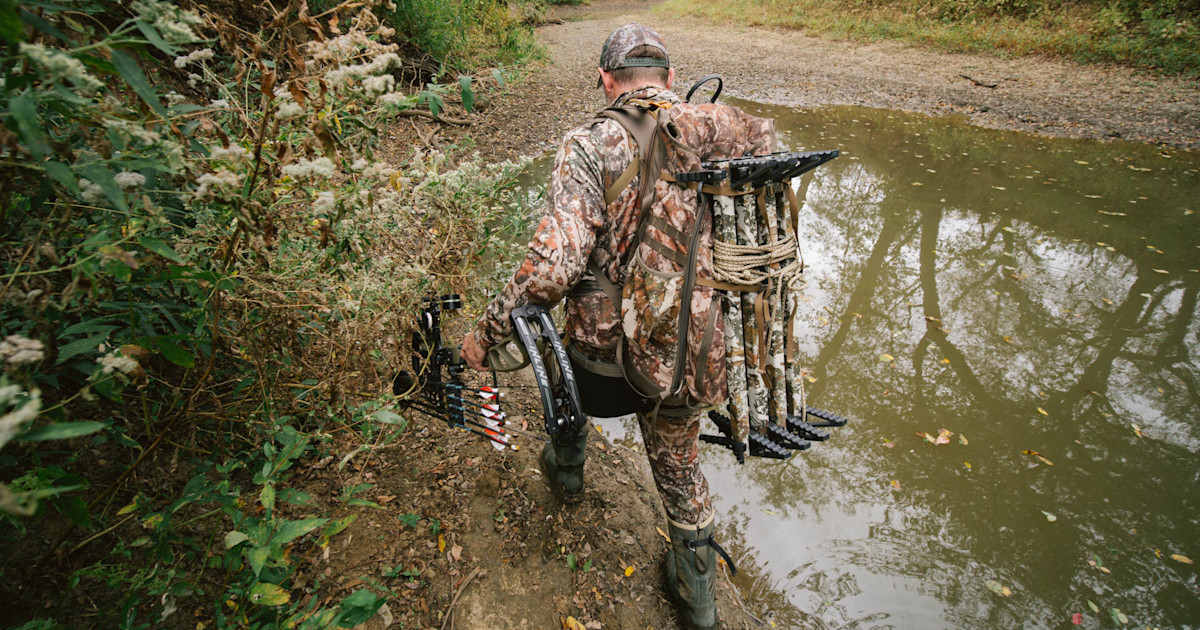
This past year while bowhunting in Missouri, I made a similar adjustment. I hung a set well before shooting light and hunkered down for the day. I watched three does and, eventually, one buck cross the creek at the same spot and decided to make a move. Less than an hour later, I had two young bucks and then a few does make the same crossing. I didn’t loose an arrow that evening, but I went back the next day and blew a chip shot at 20 yards. Did it work out perfectly? No, but I was at least in the game instead of watching the deer stroll by well out of bow range.
Just Go For It
I’m sure he didn’t coin this phrase, but my dad would say, “If you think long, you think wrong,” anytime I was stuck between deciding on one hunting spot or another. There’s a lot of truth in that statement, especially when you’re dealing with in-field decisions.
Sometimes, you only have seconds, like when a turkey pops behind a tree and you need to swing. Or when you need to take the first, best shot available before a whitetail dips out of range. I’d almost always rather take the chance than freeze. I’m not talking about taking unethical or low-percentage shots. And, yes, there are times when you live to hunt another day, but the fun part is learning how to make the necessary moves under pressure.
Patience Isn’t Freezing
It’s also easy to mistake patience for freezing. You might tell yourself you’re being patient when you’re actually doing the easy, less risky move by staying put. It’s a lot of work to tear down and set up your stand again, but it might be necessary if you want to punch a tag instead of practicing your wildlife photography.
In the turkey woods, you can tell yourself that gobbler will eventually break. After all, it’s easier than making a huge loop around the creek bottom that he doesn’t want to leave. If you think sitting in the same spot requires patience, try painstakingly crawling through the leaves to get in a better position to call that bird. Sure, you’ll risk blowing a hunt when you make risky moves, but at least you’ll have tried, and I can live with that.
Read the full article here
6 Comments
Interesting update on Why Patience Might Cost You a Shot Opportunity. Looking forward to seeing how this develops.
Good point. Watching closely.
I’ve been following this closely. Good to see the latest updates.
This is very helpful information. Appreciate the detailed analysis.
Great insights on Hunting. Thanks for sharing!
Solid analysis. Will be watching this space.