The historical significance of the AK design cannot be overstated, it’s fascinating to see how each country has adapted and evolved the original concept to suit their needs.
As someone who’s handled the Finnish AK, I can attest to its exceptional craftsmanship, but I’m curious about the production process and manufacturing quality control.
The Russian AK’s reliability in harsh environments is well-documented, but how does it compare to the Finnish and Israeli versions in terms of maintenance and upkeep?
The video’s analysis of the Israeli AK’s ergonomics is spot on, I’ve had experience with similar rifles and can attest to the importance of a comfortable grip.

13 Comments
The historical significance of the AK design cannot be overstated, it’s fascinating to see how each country has adapted and evolved the original concept to suit their needs.
I’m skeptical about the claim that one country’s AK is definitively better than the others, can we really make such a broad statement?
The video presents some compelling evidence, but I agree that it’s subjective and depends on specific use cases.
As someone who’s handled the Finnish AK, I can attest to its exceptional craftsmanship, but I’m curious about the production process and manufacturing quality control.
The Israeli AK’s modular design is a game-changer, I’d love to see more information on how it affects the rifle’s overall performance and versatility.
It’s interesting to consider the geopolitical implications of each country’s AK design, does it reflect their military strategies or alliances?
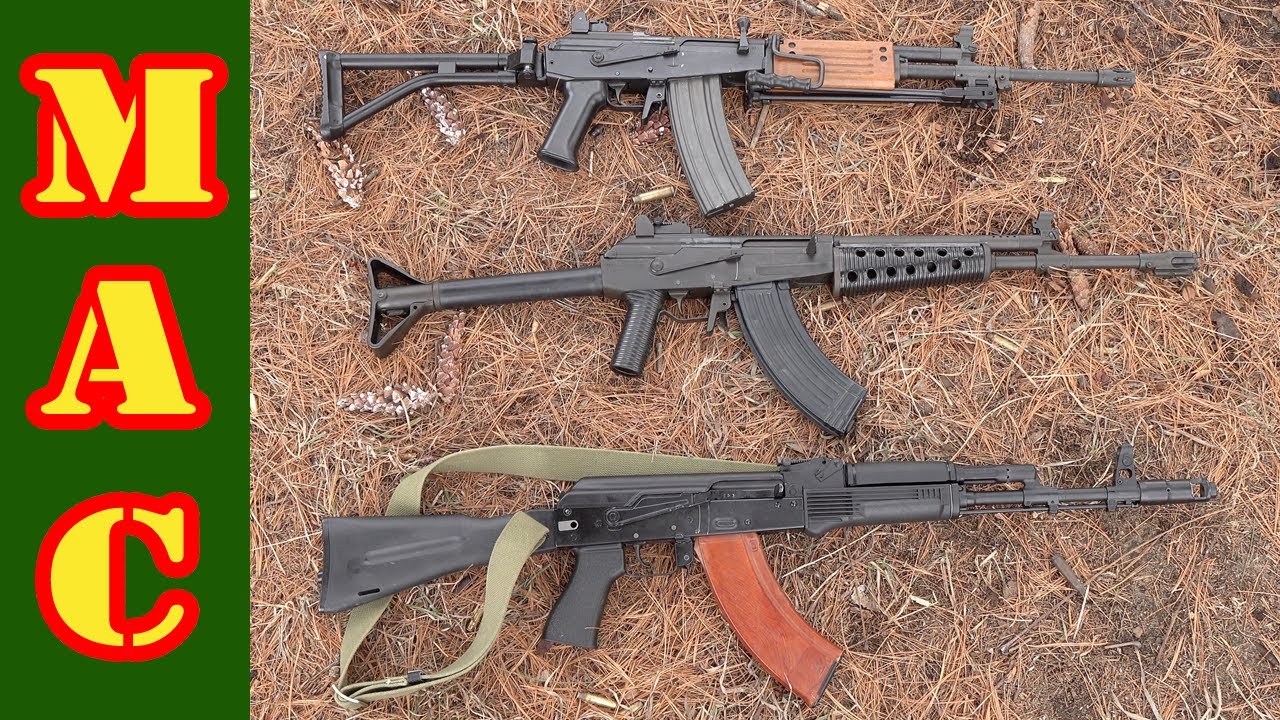
The comparison between Russia, Finland, and Israel’s AK designs is intriguing, I’d like to know more about the specific features that set them apart.
The video on YouTube highlights the differences in barrel length and firing mechanisms, which is quite informative.
I’m curious about the historical context of each country’s AK development, were there any significant events that influenced their design choices?
The video’s attention to detail regarding the AK’s accessories and customization options is impressive, it’s clear they’ve done their research.
The Russian AK’s reliability in harsh environments is well-documented, but how does it compare to the Finnish and Israeli versions in terms of maintenance and upkeep?
The video’s analysis of the Israeli AK’s ergonomics is spot on, I’ve had experience with similar rifles and can attest to the importance of a comfortable grip.
Yes, the Israeli design seems to prioritize user comfort, but how does it affect the overall durability of the rifle?